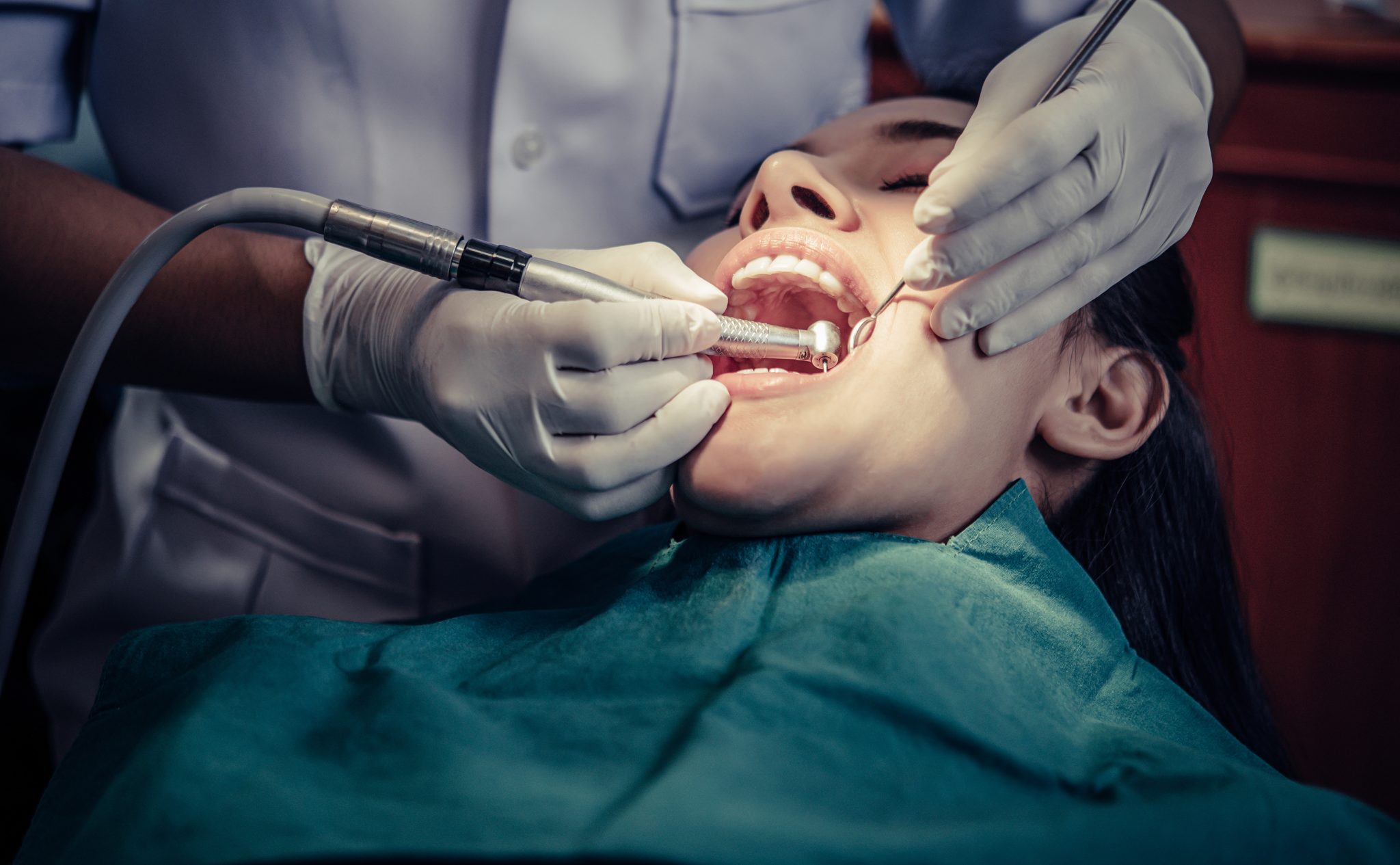
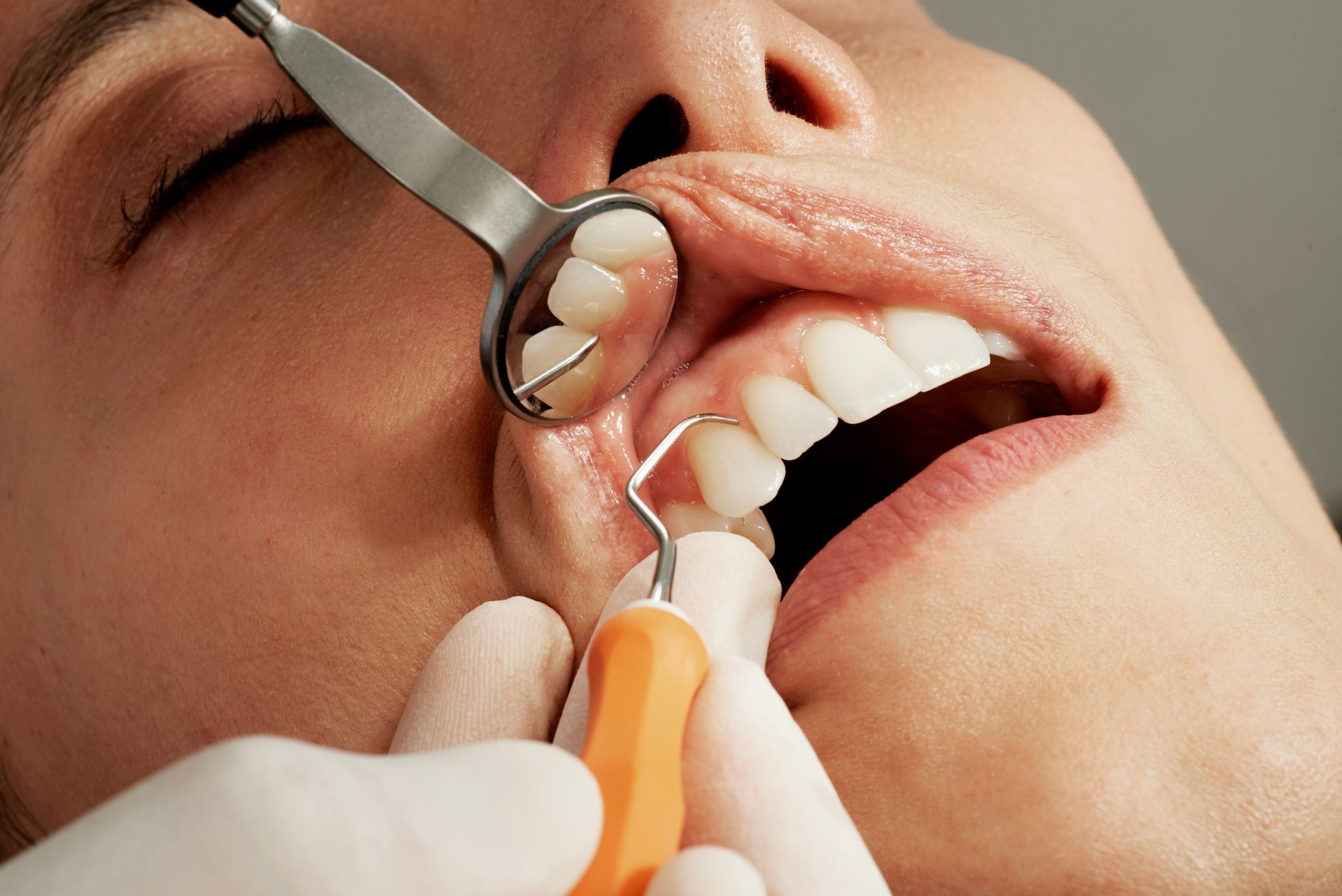
R Restorative dentistry addresses damaged, decayed, infected, worn, or missing teeth through treatments designed to repair or replace compromised tooth structure. These treatments restore the structure, function, and appearance of affected teeth while supporting long-term oral health.

DDepending on the condition of the teeth, restorative care may include dental fillings, crowns, bridges, root canal therapy, inlays, onlays, partial dentures, or complete dentures. The treatment approach depends on the tooth’s condition, the amount of remaining healthy structure, and the individual patient’s dental needs.


Restorative Treatment Planning

Before planning restorative treatment, your dentist will thoroughly assess the affected teeth and evaluate your overall oral health. Your dentist will evaluate the amount of healthy tooth structure remaining, the location and extent of the dental problem, and how it may affect your oral function.

When needed, dental X-rays or other diagnostic imaging may also be used to assess the condition of the tooth and surrounding structures. Based on these findings, your dentist can explain the available treatment options and develop an appropriate treatment plan.

At Weston Tulip Dental, we tailor restorative treatment to your oral health, dental condition, and individual needs. Our approach restores damaged or missing teeth while supporting comfortable function and long-term dental health.

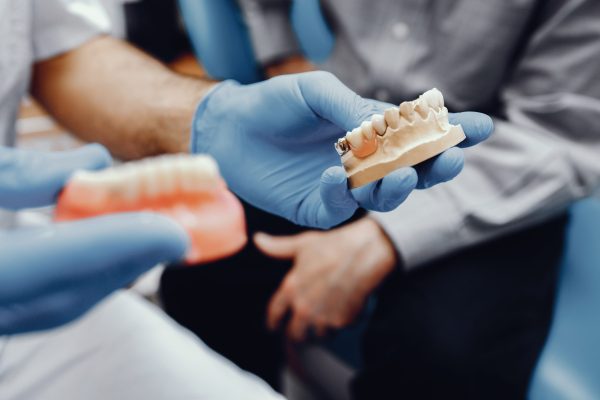
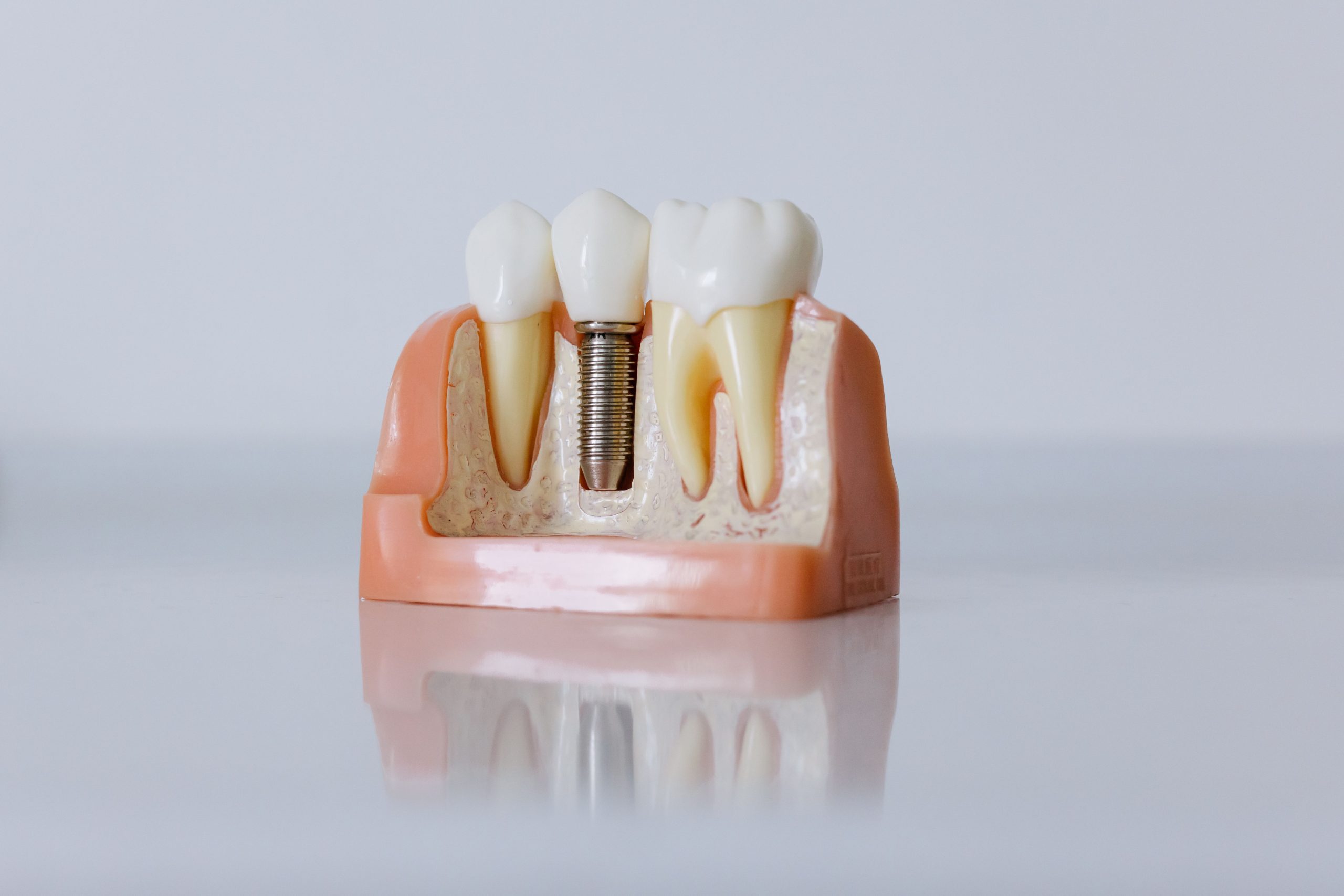
Plastic jaw in the dentist's office. The doctor holds in the hands of dental implants.

Restorative Dental Treatment can help:

. Tooth decay and cavities
. Cracked or broken teeth
. Weakened tooth structure
. Worn or damaged teeth
. Tooth infections
. Missing teeth
. Difficulty chewing
. Damaged or failing restorations
. Loss of natural tooth structure
. Changes in the appearance of damaged teeth

Choosing the Right Restorative Treatment

Different dental conditions require different restorative approaches. A tooth affected by a small cavity may be restored with a filling, while a significantly weakened tooth may require a dental crown. Depending on the tooth’s condition or the extent of tooth loss, other options may include inlays, onlays, bridges, root canal therapy, or dentures.

Before recommending treatment, your dentist will evaluate the condition of your teeth, supporting tissues, and overall oral health. The treatment plan addresses the dental problem while considering function, structural support, appearance, and long-term oral health.

Restorative dentistry can help rebuild damaged tooth structure and restore functions such as chewing and biting. At Weston Tulip Dental, we plan treatment based on your teeth’s condition and your smile’s functional needs.

Importance of Restorative Dental Care

Restorative dental care can address damaged, decayed, weakened, infected, or missing teeth and prevent existing dental problems from worsening. Treating compromised teeth can help preserve remaining tooth structure, restore oral function, and support overall dental health.

Early assessment helps identify and treat dental concerns based on their severity and the condition of the surrounding teeth and tissues.

FAQ’s About Restorative Dentistry

  • Can a damaged tooth be restored instead of removed?

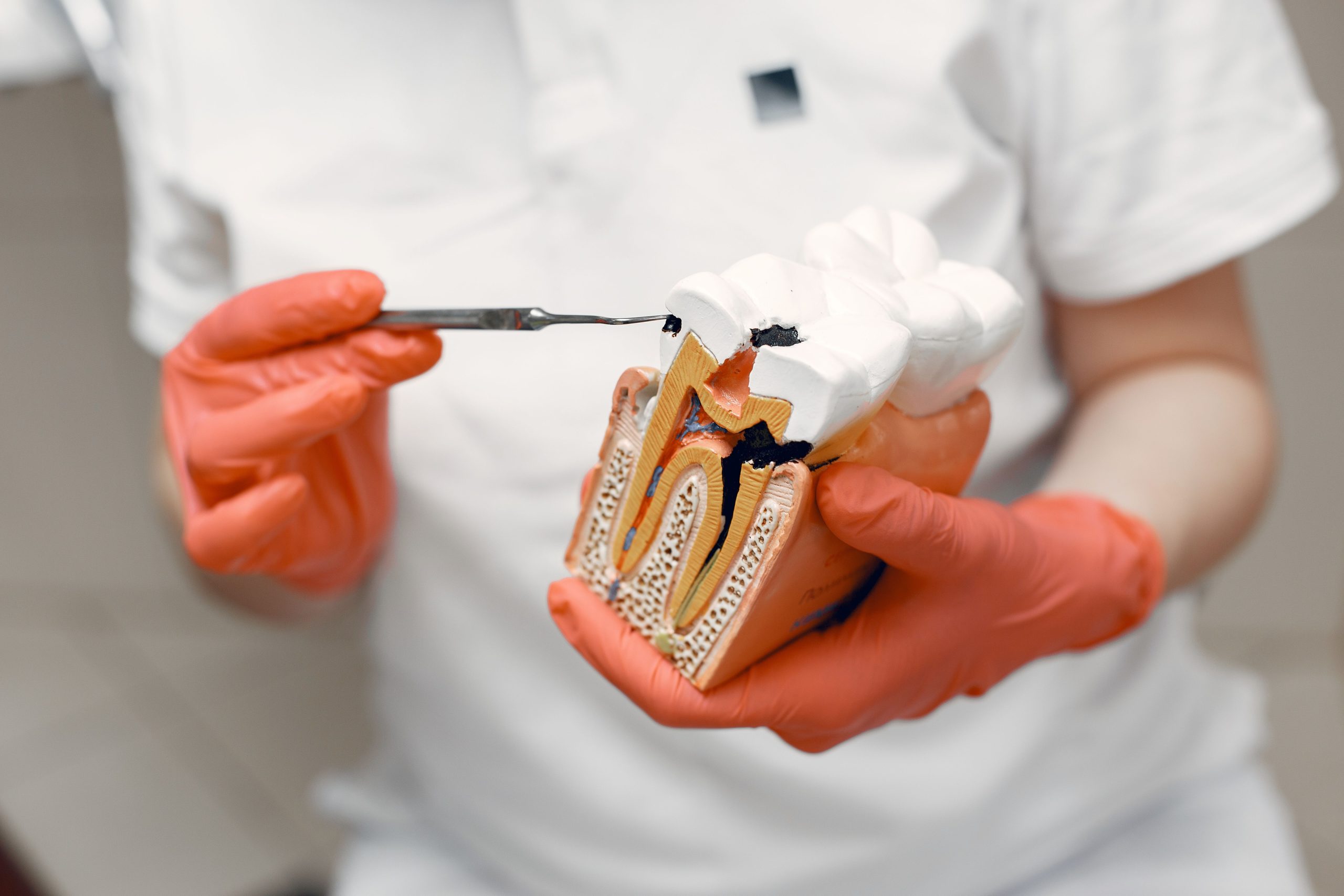
    In some cases, a damaged tooth can be restored and preserved rather than removed. Whether a tooth can be saved depends on several factors, including the type, extent, and location of damage; the amount of healthy tooth structure that remains; and the tooth’s overall health and stability. Your dentist will conduct a thorough evaluation—often using dental imaging, to determine the best option to preserve your natural tooth whenever possible, prioritizing your long-term oral health.
  • What is the difference between a filling and a crown?

    A filling generally restores a smaller area of damaged or decayed tooth structure, while a crown covers and protects a larger portion of the tooth.

  • Can restorative dentistry replace missing teeth?

    Yes. Depending on how many teeth you're missing and your needs, options like dental bridges or dentures may replace them.

  • Why is root canal therapy considered restorative treatment?

    Root canal therapy treats problems inside a tooth and can allow the natural tooth to remain in place when it can be appropriately restored.

  • How long do dental restorations last?

    The lifespan of a restoration varies with the type of treatment, oral hygiene, chewing habits, the condition of surrounding teeth, and regular dental care.

  • When might I need a dental crown?

    A crown may be recommended when a tooth is significantly weakened or damaged and needs additional protection and support.

Better Dental Care, One Visit Away!

Book appointment

+(1) 416 244 0402