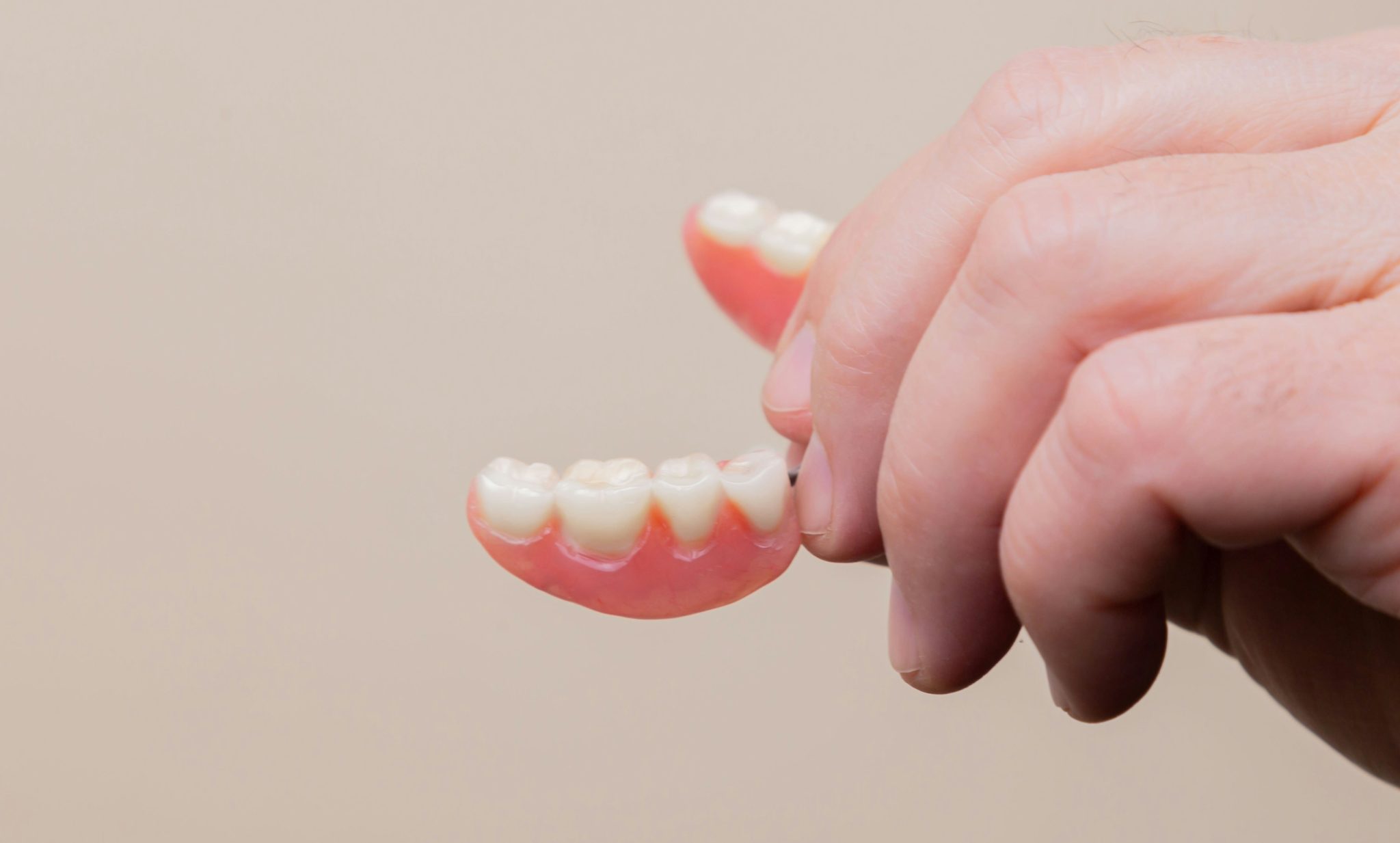
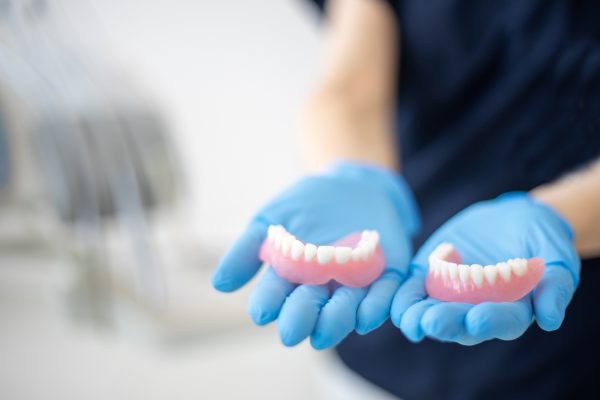
M Missing multiple or all teeth can interfere with everyday functions such as chewing, speaking, and smiling. Dentures are removable dental prostheses designed to replace missing teeth while restoring oral function and appearance. help restore oral function and appearance.
The recommended denture type depends on the number and position of missing teeth, as well as the condition of the remaining teeth. Dentures can replace several teeth, most teeth within an arch, or all teeth in the upper or lower arch. Each denture is custom-made to fit the patient’s mouth and provide a comfortable, natural-looking result.
Dentures may also be appropriate for severely damaged teeth that cannot be restored. By replacing missing teeth and supporting surrounding oral tissues, dentures can improve chewing and speaking while restoring the overall appearance of the smile.
Types of Dentures
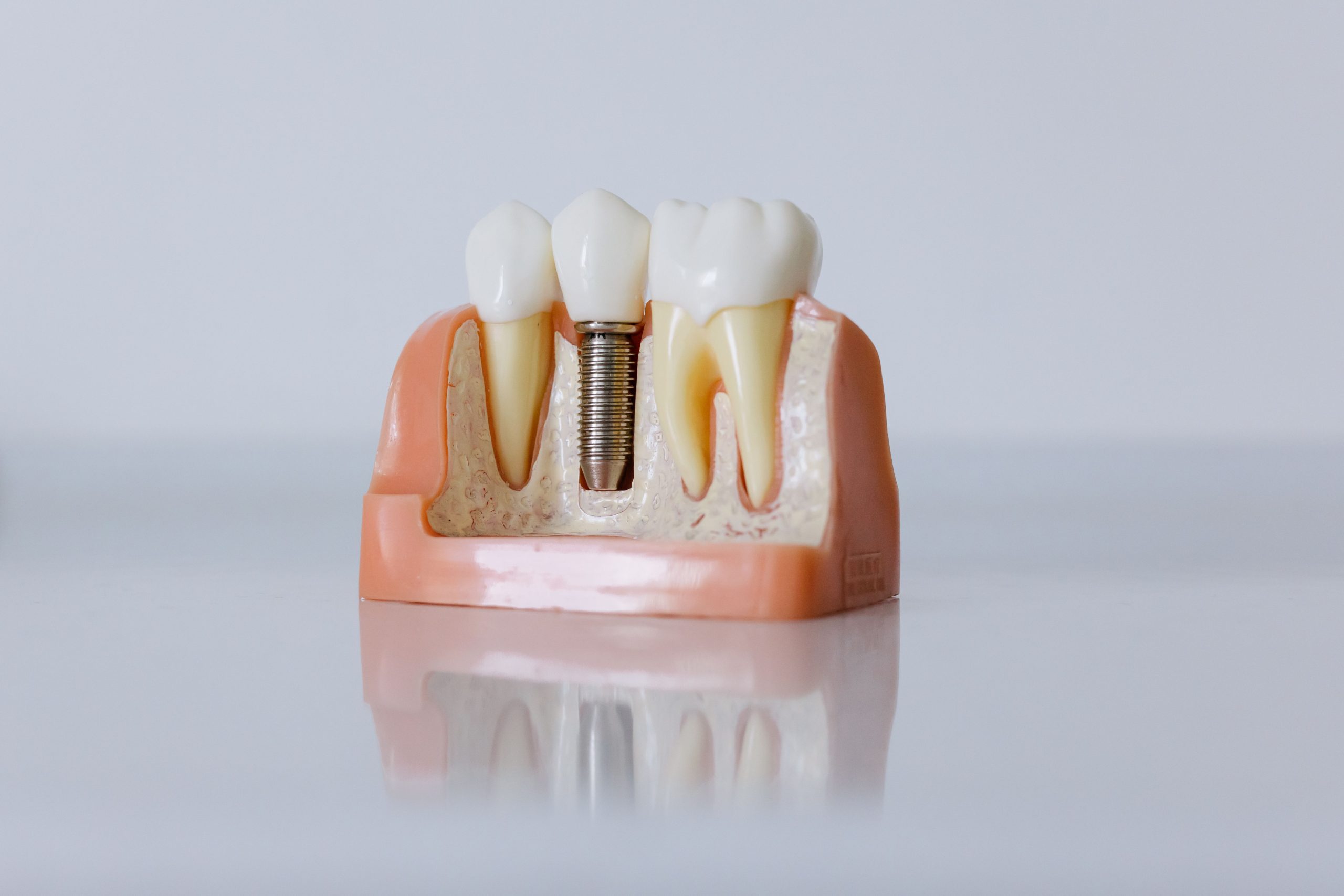
Dentures are available in different types depending on the extent of tooth loss, remaining teeth, and oral anatomy. Complete dentures replace all missing teeth within the upper or lower dental arch, while partial dentures replace several missing teeth and use remaining natural teeth for support. Implant-supported dentures are anchored to dental implants to improve stability and retention. Immediate dentures are placed following tooth extraction, while overdentures are supported by remaining teeth or dental implants.
At Weston Tulip Dental, we assess the extent of tooth loss, residual ridge anatomy, soft tissues, and occlusion to determine the best denture option. We carefully plan each prosthetic treatment to optimize fit, retention, chewing function, and overall oral comfort.
Replacing Missing Teeth can help:
• Improve chewing ability • Support clearer speech • Fill visible spaces in the smile • Restore facial support associated with missing teeth • Make eating and speaking more comfortable • Replace teeth that have been lost because of decay, gum disease, injury, or other causes
Yes. Complete dentures replace all the teeth in an upper or lower arch. The appropriate design depends on your individual oral anatomy and treatment needs.
Can I eat normally with dentures?
Dentures are designed to restore chewing function, but adapting to eating with a new denture can take time. Starting with softer foods and gradually introducing different textures can help during the adjustment period.
Will dentures look natural?
Modern dentures can be designed to resemble natural teeth and complement your facial features. The appearance depends on the design, materials, tooth arrangement, and individual characteristics.
Are dentures uncomfortable?
New dentures may require an adjustment period. Persistent soreness, irritation, or significant discomfort can indicate that the denture needs adjustment and should be assessed by your dentist.
Can dentures become loose over time?
Yes. Changes in the gums and underlying bone, along with normal wear, can affect denture fit over time. If your dentures loosen or become uncomfortable, you may need an adjustment or replacement; your dentist can evaluate the fit.
Can I sleep while wearing my dentures?
In many cases, you remove removable dentures at night to let your oral tissues rest and allow proper cleaning.