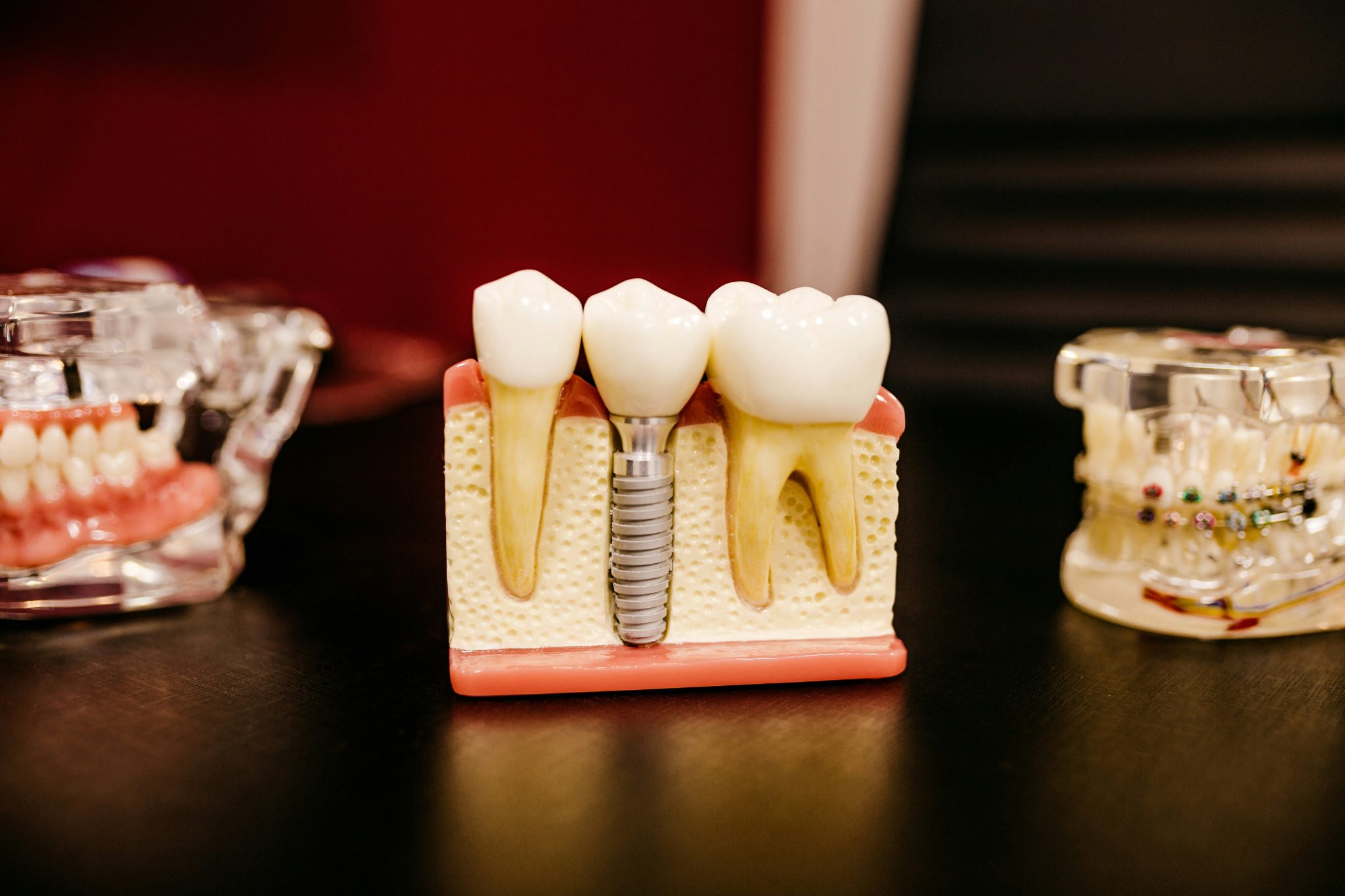
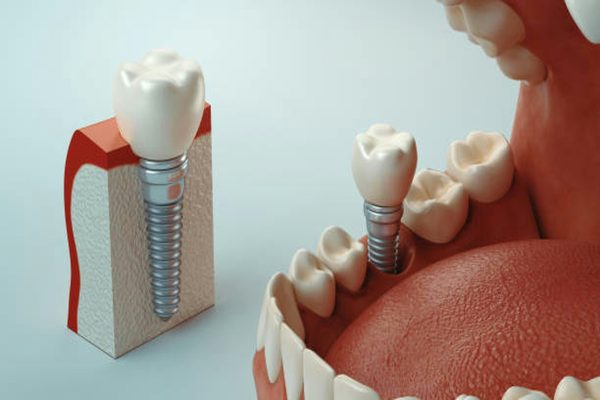
D Dental implants provide a reliable option for restoring missing teeth. They replace missing teeth and restore your smile’s function and appearance. They create a secure base for supporting dental restorations and can replace one missing tooth or provide support for a larger restoration when multiple teeth are missing.
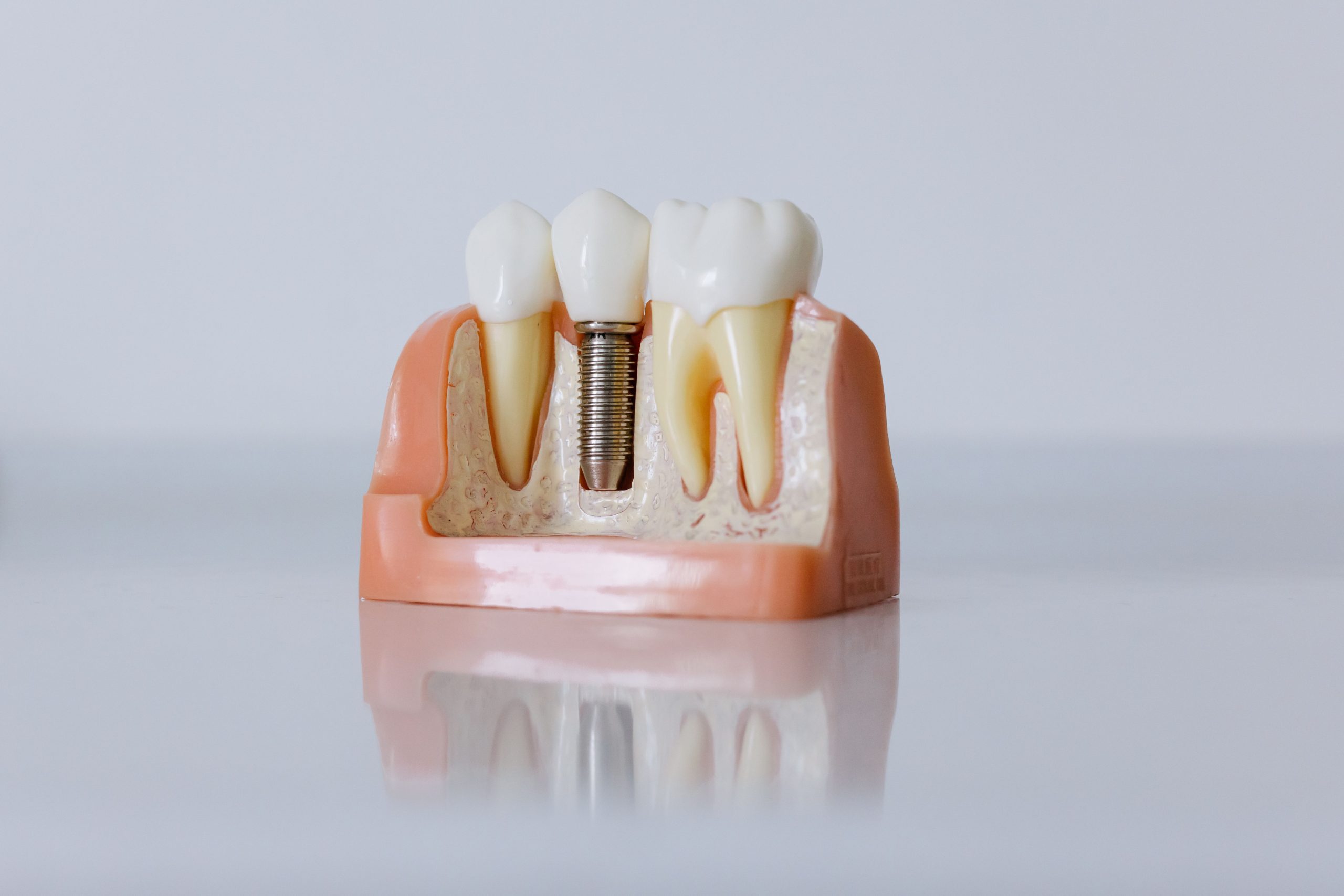
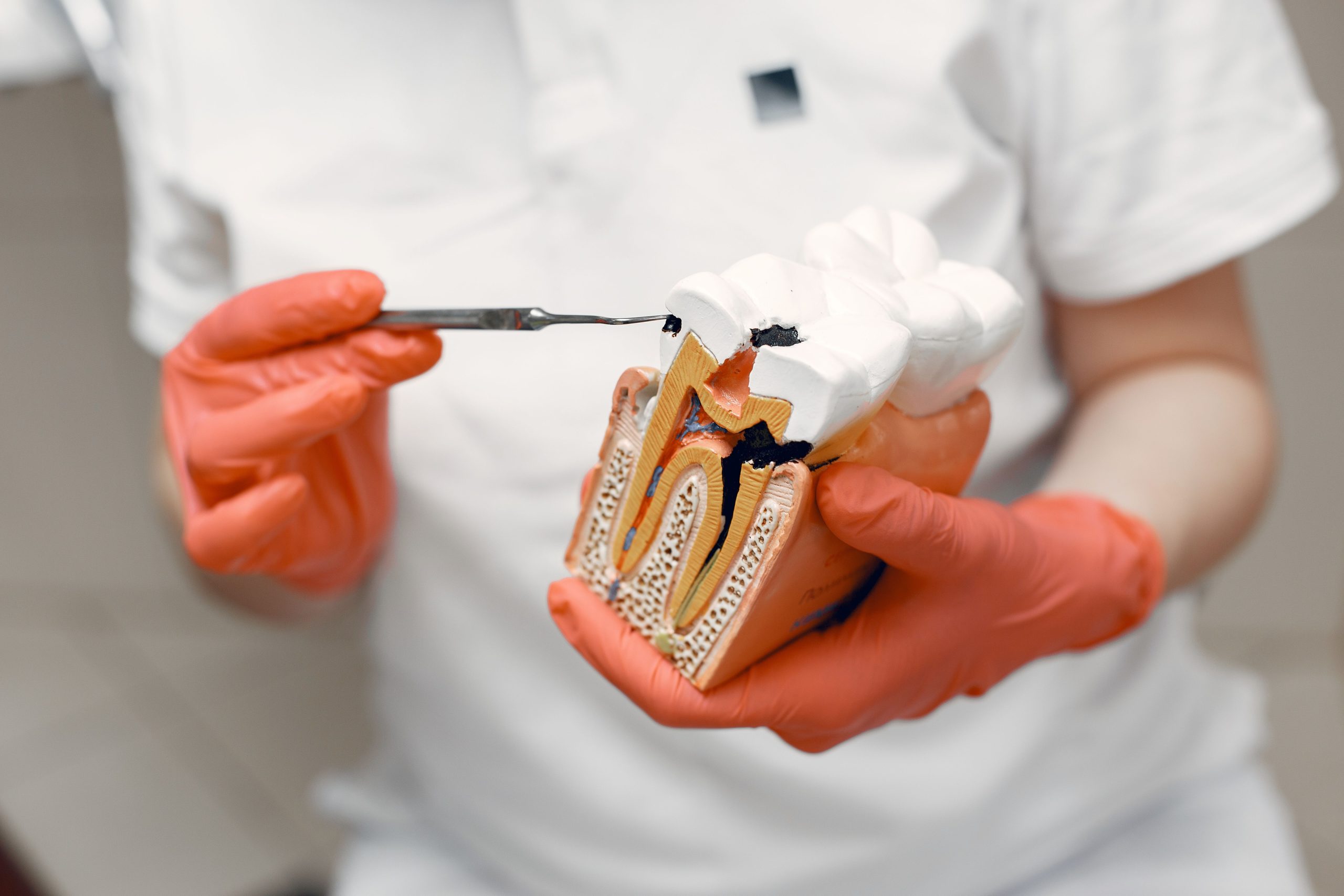
Unlike traditional removable dentures, dental implants are securely placed within the jawbone, providing stability when eating and speaking. A dental implant is a small post, commonly made of titanium, placed in the jawbone to replace the root of a missing tooth. After the implant has securely bonded with the surrounding jawbone, it can support a dental restoration such as a crown, bridge, or full-arch restoration. The replacement tooth is designed to restore the appearance and function of the missing tooth.
Why Is Replacing Missing Teeth Important?
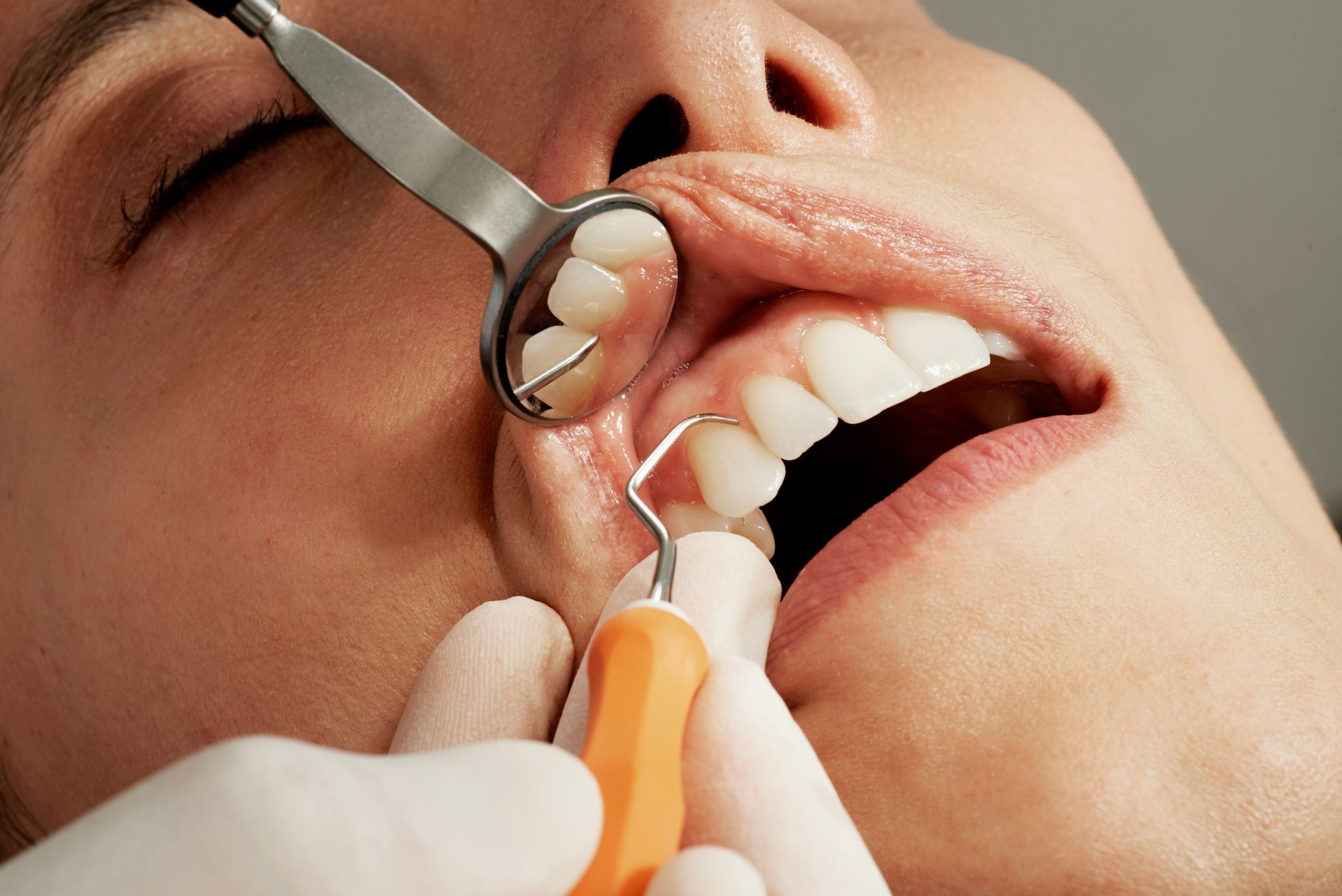
Missing teeth can affect more than your smile’s appearance. Depending on where the teeth are missing and how many need replacement, they may affect chewing, speech, and how your remaining teeth come together. Replacing missing teeth can restore oral function and support a more complete smile. Your dentist can discuss the available tooth replacement options based on your individual situation.
At Weston Tulip Dental, dental implants provide a stable solution for replacing missing teeth. Titanium implants are placed in the jawbone to replace missing tooth roots and can support crowns, bridges, or full-arch restorations based on individual treatment needs.
Who May Be a Candidate for Dental Implants?
Your dentist will consider factors such as: • The condition and amount of available jawbone • Gum health • The number and location of missing teeth • Overall oral health • Your bite and remaining teeth • Your ability to maintain good oral hygiene If there isn’t enough bone to support an implant, bone grafting may be considered in some cases.
Treatment length varies based on each patient’s oral health, healing process, number of implants, and whether procedures such as bone grafting are needed.
Can one dental implant replace one missing tooth?
Yes. A single dental implant can provide support for a customized crown and replace one missing tooth when appropriate.
Can dental implants replace multiple teeth?
Yes. Multiple missing teeth can sometimes be replaced using several implants or an implant-supported bridge, depending on the individual treatment plan.
Do dental implants look natural?
The restoration placed on an implant is custom-made to complement your surrounding teeth. The goal is to create a replacement that fits naturally within your smile.
What happens if I do not have enough bone for an implant?
If you don't have enough bone to support an implant, you may consider bone grafting. Your dentist will evaluate your jawbone and discuss whether this procedure is appropriate.
Can I eat normally with dental implants?
Once treatment and healing are complete, implant-supported restorations are designed to restore chewing function. Your dentist will provide specific instructions during healing.