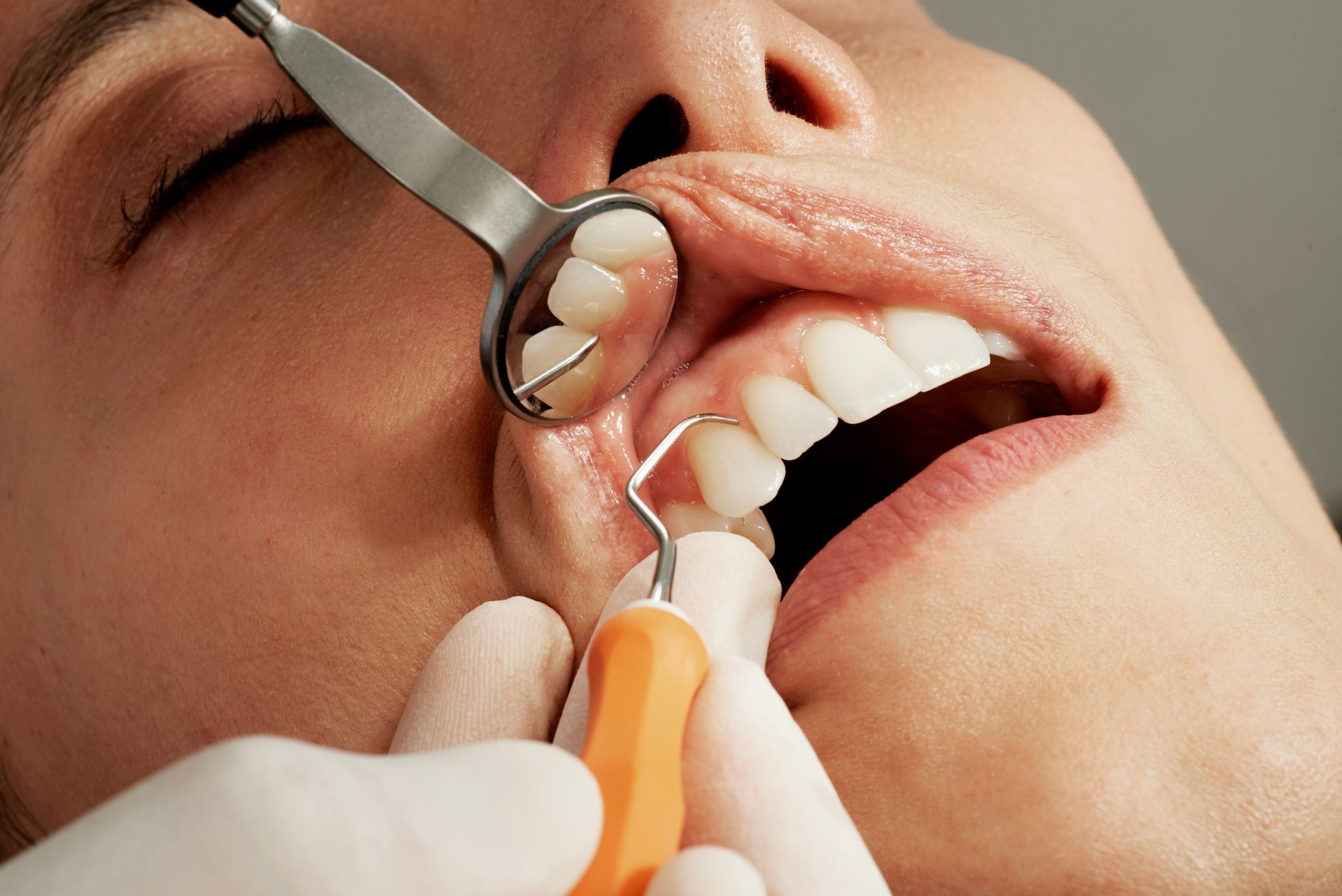
R Routine dental examinations are essential for maintaining your long-term oral health. Many dental issues can develop without noticeable symptoms, even if your teeth look and feel fine. During an exam, your dentist evaluates your teeth, gums, bite, and overall oral health to catch potential problems early and recommend treatment when needed

A dental exam can help whether you visit the dentist regularly, return after a long break, or have a specific concern such as tooth sensitivity, bleeding gums, discomfort when chewing, or a change in an existing dental restoration. Your dentist can assess what is happening and determine whether additional care or diagnostic imaging may be appropriate.

Dental examinations are important for patients of all ages. Children benefit from regular monitoring as their teeth and jaws develop, while adults and seniors can use routine examinations to maintain existing dental work and monitor changes in their oral health. The recommended frequency of dental visits can vary depending on your oral health, dental history, age, and individual risk factors.


Why Are Regular Dental Exams Important?

Many dental problems can develop gradually without causing noticeable symptoms in their early stages. You may not feel pain or see a visible change even when a problem is beginning to develop.
Regular dental examinations enable your dentist to detect potential issues at an earlier stage, when treatment is often simpler and less invasive. Routine exams can help your dentist monitor your oral health over time rather than only addressing problems when they become uncomfortable.

At Weston Tulip Dental, regular dental exams are essential to maintaining your oral health. These visits let your dental team monitor your teeth and gums, spot changes early, and address concerns before they become more complex.
pexels-tima-miroshnichenko-5355710

What Does a Dental Exam Include?

• Assess your gums for inflammation, irritation, or periodontal disease
• Examine your gums for signs of inflammation, irritation, or gum disease
• Evaluate existing fillings, crowns, bridges, or other dental work
• Check for signs of tooth wear, cracks, damage, or other changes
• Assess your bite and the way your teeth come together
• Examine areas of the mouth that may be difficult to see at home
• Discuss any pain, sensitivity, bleeding, or other symptoms
• Review your oral hygiene habits and provide personalized guidance
• Recommend dental X-rays or other diagnostic procedures when appropriate

FAQ’s About Dental Exams

  • Is a dental exam painful?

    A routine dental examination is generally simple and comfortable. Your dentist will assess your teeth and gums and ask about symptoms, sensitivity, or other concerns. Be sure to mention any pain or changes you have noticed so they can be evaluated as part of your exam.
  • Is a dental exam the same as a dental cleaning?

    No. A dental exam and dental cleaning are different parts of preventive dental care. A dental exam evaluates your oral health, while a professional cleaning removes plaque, tartar, and buildup from your teeth. Dentists often schedule them during the same visit.

  • Do I need X-rays during every dental exam?

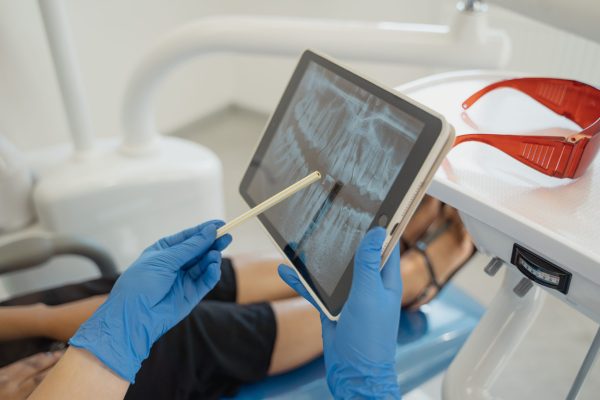
    Not every dental visit requires X-rays. Your dentist decides whether you need diagnostic imaging based on your dental needs, symptoms, history, age, and overall oral health. Your dentist will assess these factors and recommend X-rays when appropriate to evaluate your teeth and supporting structures.

  • What if I haven't visited a dentist in a long time?

    It's never too late to schedule a dental examination. Even if you haven't seen a dentist in a while, an exam can provide a thorough assessment of your current oral health and highlight any areas that may need attention.

  • How Often Should You Have a Dental Exam?

    The recommended frequency of dental exams can vary depending on your oral health, dental history, and individual risk factors. Many patients benefit from routine examinations every six months, while others may require more frequent visits. Your dentist can recommend an appropriate schedule based on your specific needs.

  • Can I have a dental exam if I am experiencing tooth pain?

    Yes. In fact, tooth pain is an important reason to schedule a dental appointment. Your dentist can examine the affected area, determine what may be causing the discomfort, and discuss appropriate treatment options.

Better Dental Care, One Visit Away!

Book appointment

+(1) 416 244 0402