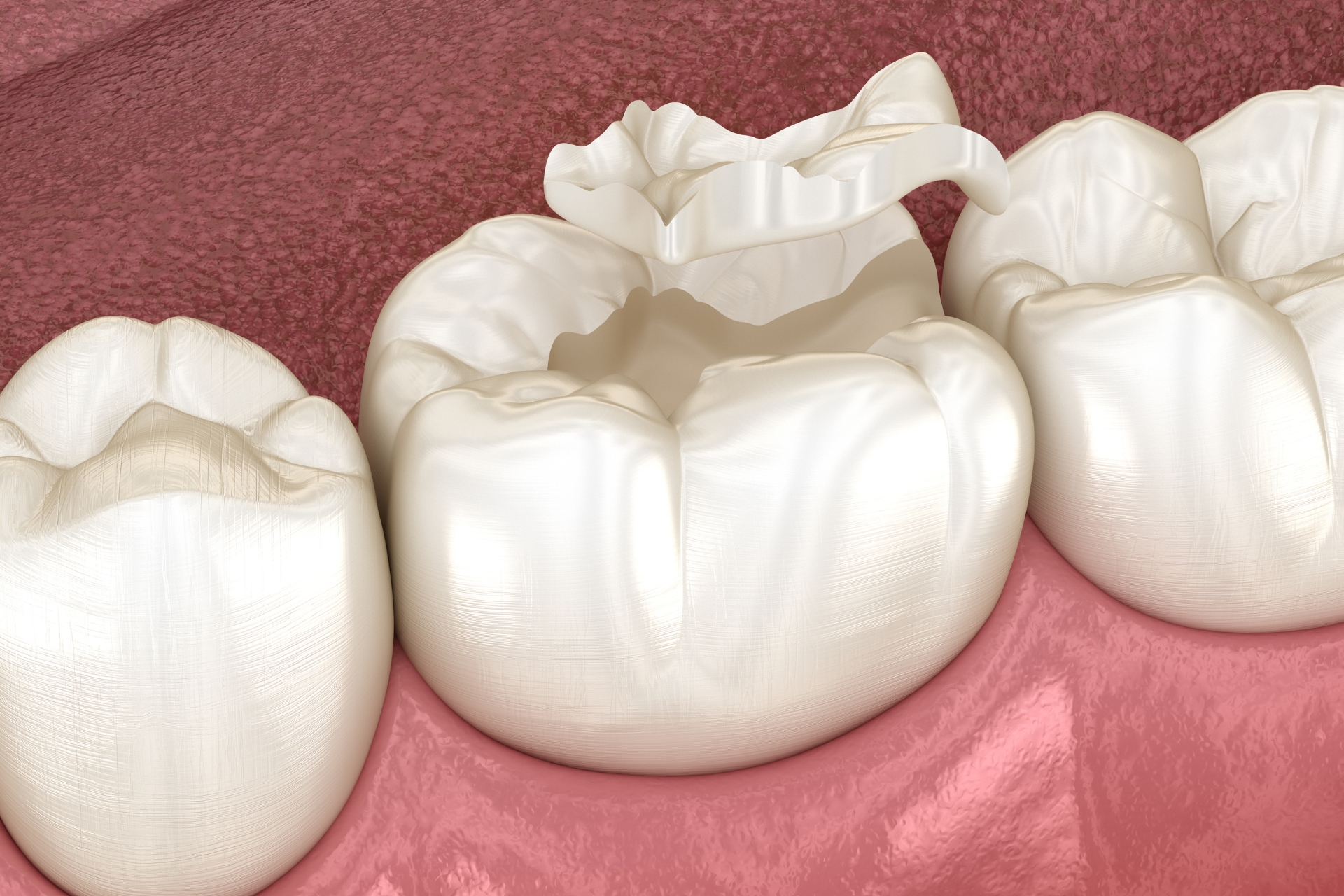
A A cavity may start as a small area of tooth decay, but without treatment, it can progress and affect more of the tooth, potentially causing pain, sensitivity, infection, or the need for more extensive treatment. A dental filling is a common restorative treatment that repairs teeth affected by decay and helps restore their structure, shape, and function.
During treatment, the dentist removes the decayed tooth structure and carefully cleans the area. The dentist then fills the cavity with a suitable restorative material and shapes it to restore the tooth’s natural form and function.
Types of Dental Fillings:
Dental fillings are available in several materials, including composite resin, amalgam, porcelain, and glass ionomer. The best material depends on factors such as the location and extent of the decay, the tooth’s condition, functional needs, and aesthetic considerations. The selected material provides appropriate strength, durability, and a natural appearance while supporting the tooth’s function.
At Weston Tulip Dental, we assess the affected tooth and determine how extensive the decay or damage is. If a filling is appropriate, we plan treatment based on the tooth’s condition and your individual dental needs. We explain the recommended treatment and suitable restorative options, including what to expect during the procedure.
Dental Fillings can help:
• Stop the progression of tooth decay • Restore damaged tooth structure • Protect the remaining healthy tooth • Improve chewing function • Reduce sensitivity caused by exposed areas of the tooth • Restore the natural shape and appearance of the tooth, contributing to a confident smile
Some cavities cause sensitivity, pain, or visible changes in the tooth, while others have no noticeable symptoms. A dental examination and sometimes an X-ray may be needed to identify decay.
Are tooth-colored fillings noticeable?
Tooth-coloured composite fillings are designed to blend with the surrounding natural tooth structure, making them a popular option when appearance matters.
Can a filling prevent a cavity from getting worse?
A filling removes the decayed portion of the tooth and restores the damaged area. However, you still need good oral hygiene and regular dental care to help prevent new decay.
Can a filling fall out?
Fillings can occasionally become loose, chipped, or damaged. If a filling is damaged, displaced, or lost, contact your dentist promptly. As soon as possible. So they can evaluate the tooth and repair or restore it as needed.
Do children need fillings?
Yes. Children can develop cavities in both baby teeth and permanent teeth. Treating decay in baby teeth can help prevent pain and maintain healthy oral function while the permanent teeth develop.
Can Dental Fillings Prevent Further Tooth Decay?
Dental fillings repair decay-related damage and help protect the remaining tooth structure from further damage. However, they do not prevent new cavities. Good oral hygiene, regular dental exams, and limiting sugary foods can help reduce the risk of further tooth decay.