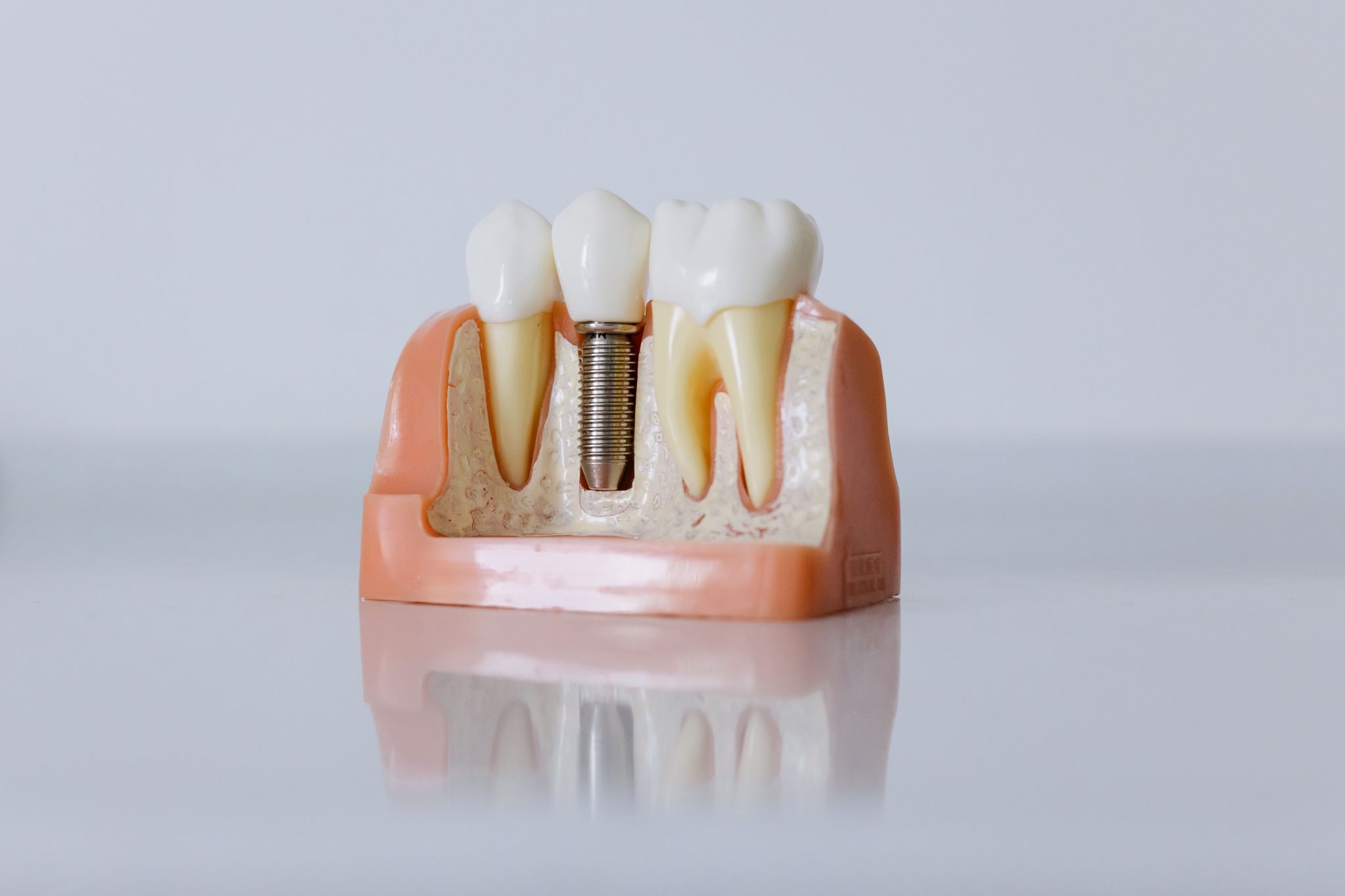
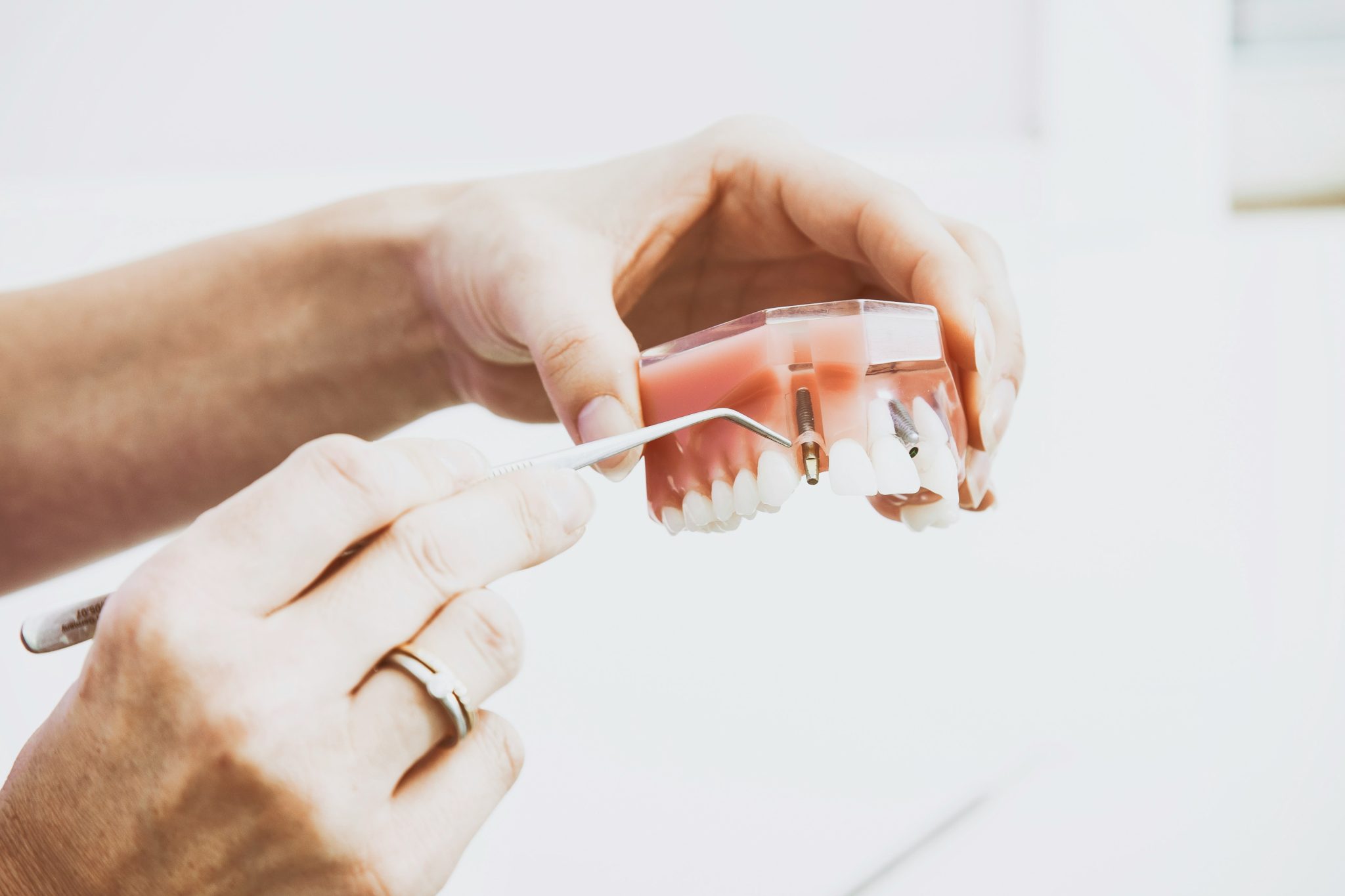
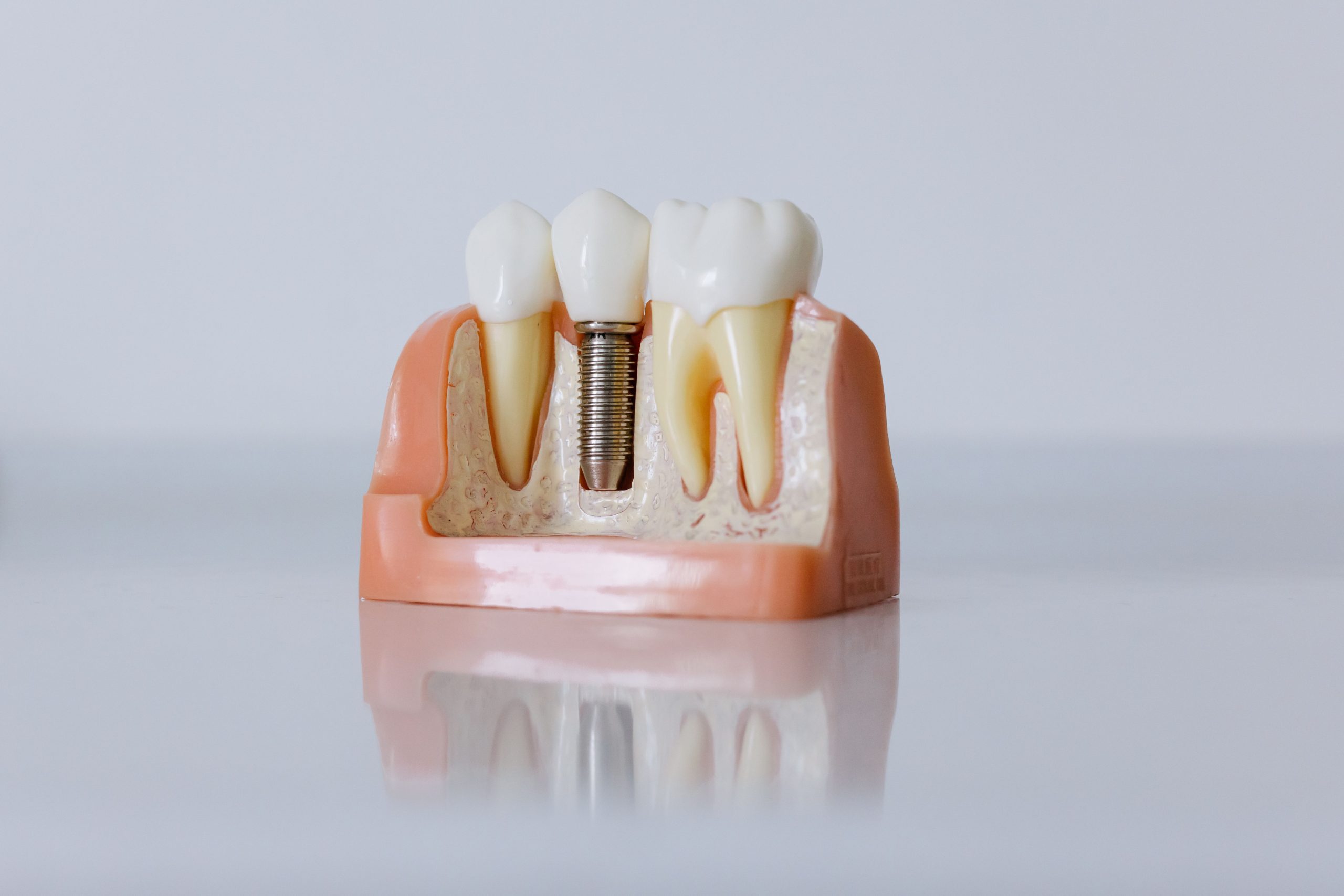
D Dental implants function like natural tooth roots by providing stable support for replacement teeth. Typically made of biocompatible titanium, the implant is surgically placed in the jawbone. As osseointegration occurs, the surrounding bone bonds with the implant, providing secure support for a dental crown, implant-supported bridge, or full-arch restoration.
Unlike removable dentures, implants are anchored within the jawbone and designed to function as part of the dental arch. Implant treatment can help restore chewing ability, improve dental stability, and support the overall appearance and function of the smile.
Dental Implant Treatment Planning
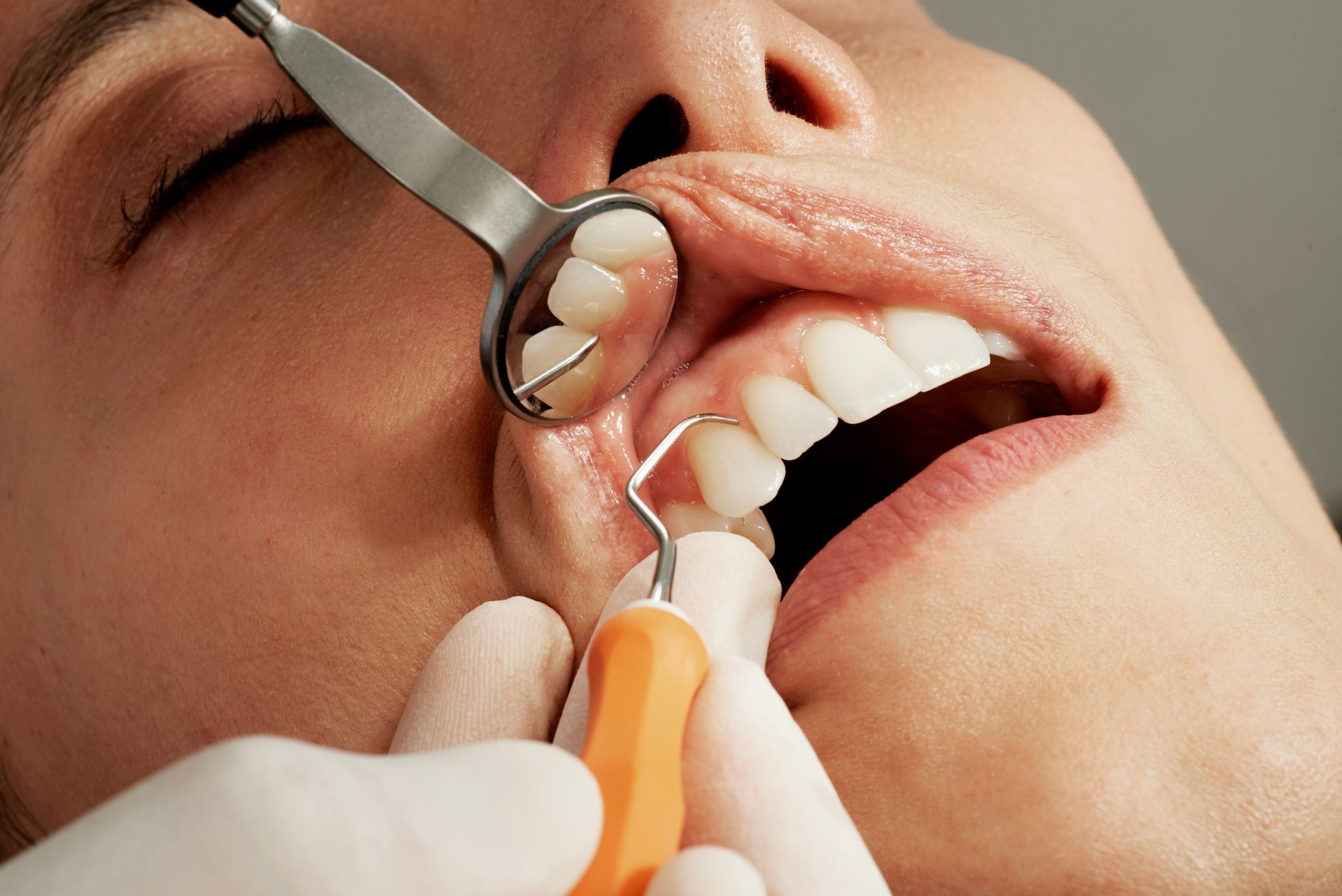
Planning for dental implant treatment involves evaluating your oral health, gum condition, available jawbone, and the location of the missing tooth or teeth. A clinical examination and diagnostic imaging, including 3D imaging when appropriate, can provide detailed information about the jawbone and surrounding structures. We then develop your treatment plan based on the number and location of missing teeth, your restorative needs, and the type of replacement required. This assessment helps determine appropriate implant placement, restoration, and the treatment sequence.
At Weston Tulip Dental, we tailor implant treatment to your oral health, bone support, gum condition, and restorative needs. Whether you are replacing one tooth or several missing teeth, your treatment plan is designed around your individual clinical and functional requirements.
Dental Implants may help:
. Replace one or more missing teeth . Restore chewing and speaking function . Support implant-supported bridges and full-arch restorations . Provide greater stability than removable tooth replacement options . Help maintain the position of neighbouring teeth . Enhance the smile’s appearance while restoring its function . Support long-term oral function and dental stability
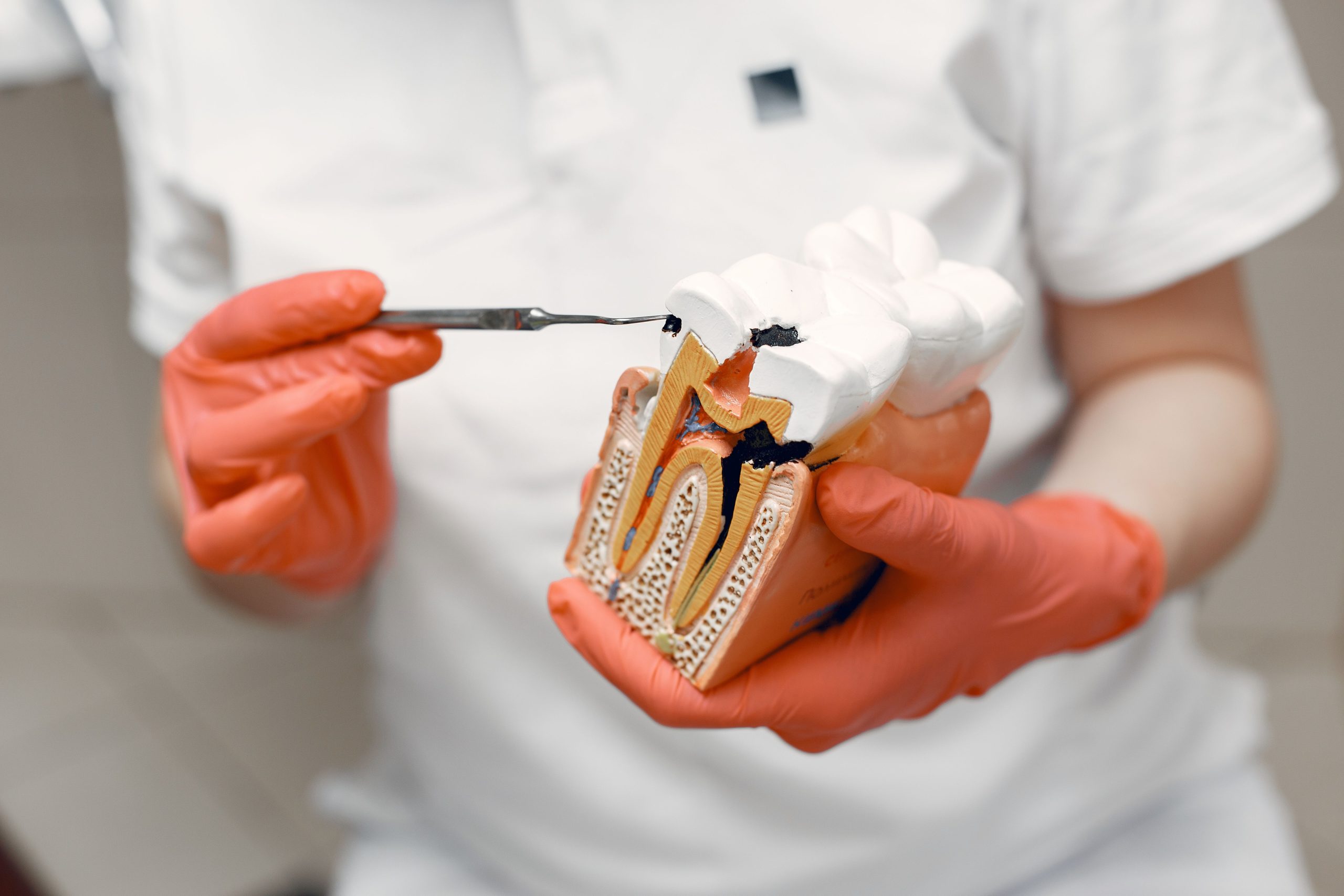
Maintaining dental implant health requires ongoing oral hygiene and professional dental care. Although the implant itself cannot develop tooth decay, plaque accumulation and inflammation can affect the surrounding gums and bone. Peri-implantitis involves inflammation and progressive loss of supporting bone around an implant.
Regular dental examinations, professional cleanings, and thorough daily brushing and flossing can help maintain healthy tissues around the implant. Ongoing monitoring also allows your dental team to identify changes affecting the implant or surrounding tissues and address them appropriately.
Before considering implant treatment, your dentist will evaluate your gum and jawbone health, the position of the missing teeth, and the surrounding oral structures. This assessment helps determine whether dental implant placement is appropriate.
Jawbone Preservation with Dental Implants
Following tooth loss, the surrounding jawbone may gradually decrease in volume because the missing tooth root no longer provides normal stimulation to the bone. Over time, this reduction in bone volume can reduce support for neighbouring teeth and affect the structure of the dental arch.
Dental implants sit within the jawbone and can provide functional stimulation similar to natural tooth roots. Through osseointegration, the implant integrates with the surrounding bone, helping support the restoration while preserving the underlying jawbone structure.
FAQ’s About Dental Implants
How long do dental implants last?
With proper care, oral hygiene, and regular dental check-ups, dental implants are a long-term solution that can last for decades—or even a lifetime.
Are dental implants painful?
Implant placement is performed under local anesthesia to ensure your comfort during the procedure. Most patients experience minimal discomfort, and post-treatment soreness can usually be managed with over-the-counter medication. Comfort during the procedure. Post-treatment discomfort is typically manageable with recommended pain relief and usually subsides within a few days.
How long does the dental implant process take?
The dental implant process timeline varies based on your individual healing and whether preparatory treatments like bone grafting are needed. For most patients, the full process, from implant placement to final restoration, typically takes several months to six months or more, allowing for complete bone integration and optimal long-term stability.
How do I care for my dental implants?
You care for implants much like natural teeth: brush twice daily, floss regularly, and attend routine dental check-ups and cleanings.
Can dental implants replace dentures?
Yes. Dental implants can anchor dentures or replace them entirely with fixed, implant-supported bridges for greater stability and comfort.
Am I a good candidate for dental implants?
Good candidates typically have healthy gums and enough jawbone density to support an implant. During your consultation, we also review your overall health, lifestyle factors like smoking, and any chronic medical conditions to ensure the best possible outcome.