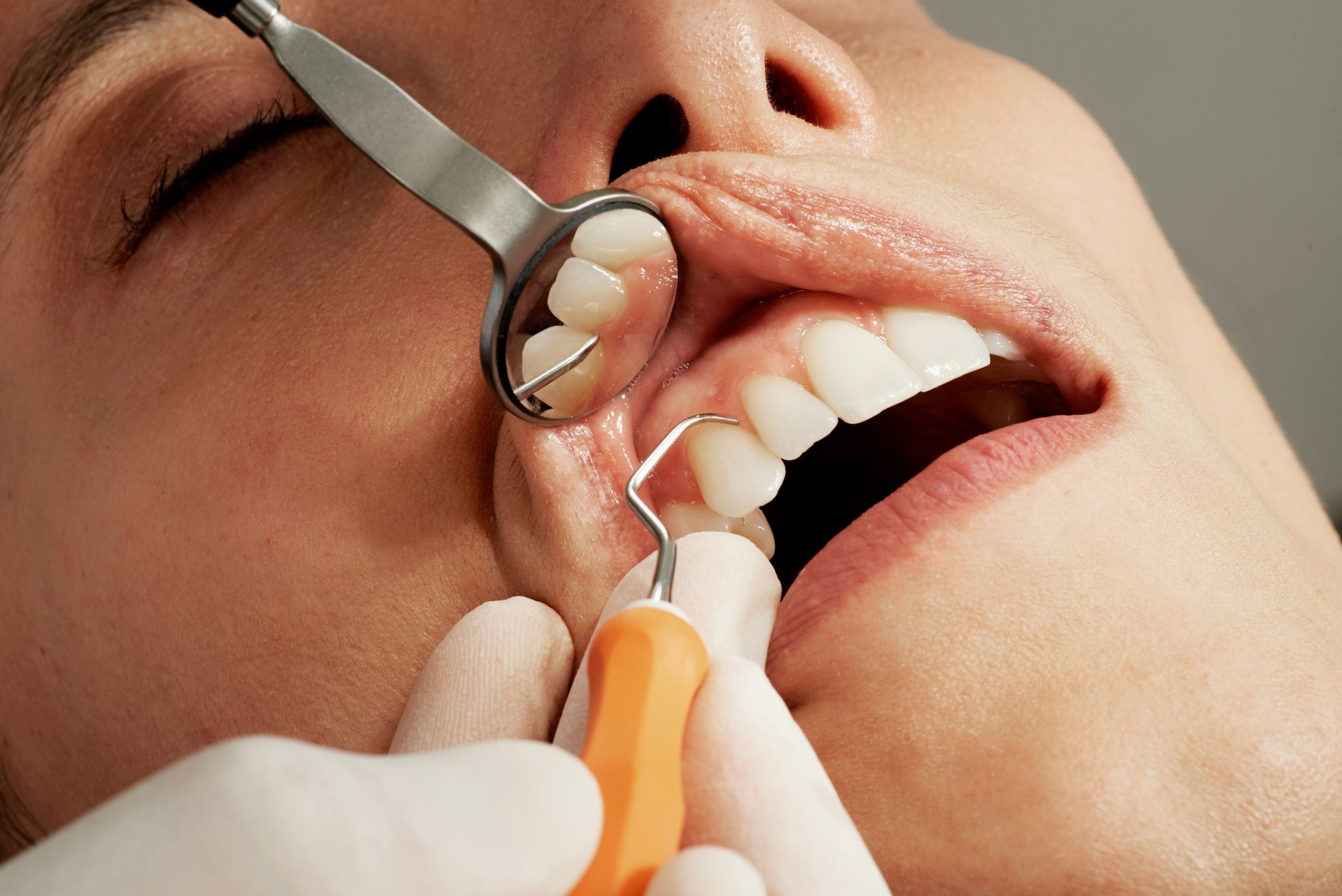
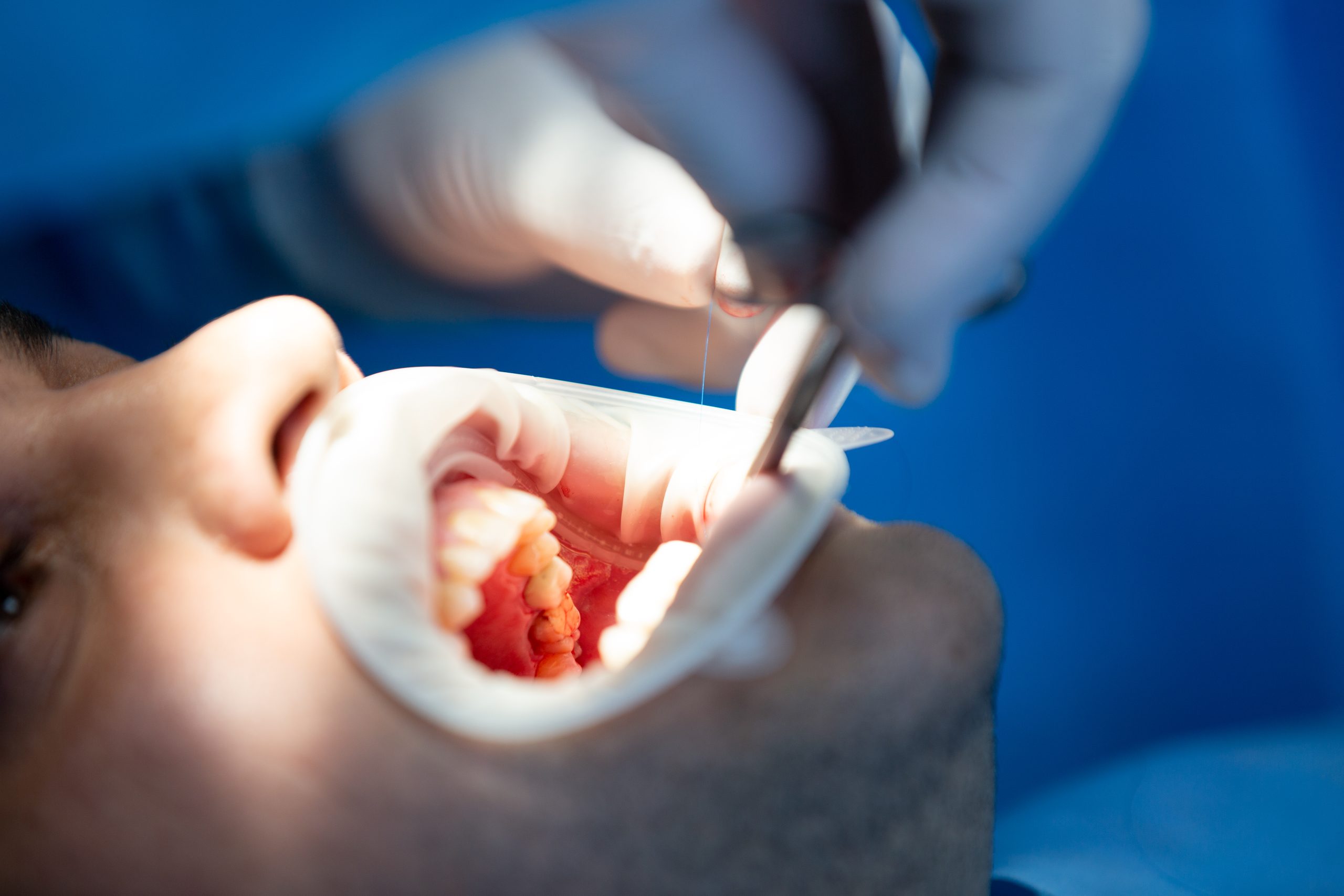
D Dental bonding is a cosmetic procedure that uses tooth-coloured composite material to enhance the appearance of the teeth. It can repair minor chips, refine uneven tooth shapes, close small gaps, and improve areas affected by discoloration or wear.
The procedure generally requires minimal alteration of the natural tooth structure, making bonding a conservative option for addressing specific cosmetic concerns. The composite material is placed directly onto the tooth surface, shaped to create the desired appearance and polished for a smooth, natural-looking finish.
You can select the composite shade and shape to complement the surrounding teeth while addressing the specific area being treated.
Who May Benefit from Dental Bonding?
Dental bonding may suit patients with minor aesthetic concerns who wish to enhance the appearance of one or more teeth. It can also be considered when you prefer a conservative approach that preserves natural tooth structure.
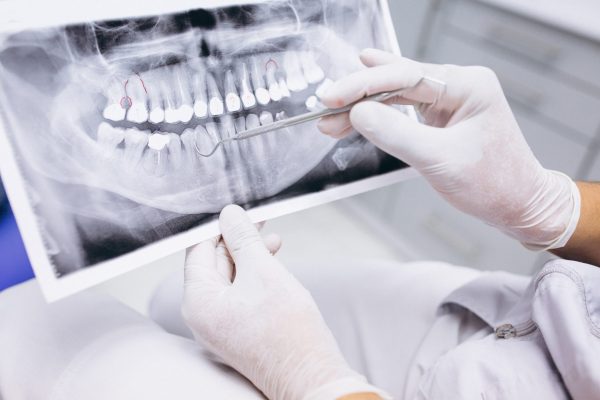
A dental examination can determine whether bonding is suitable and whether you should address any underlying dental issues first.
At Weston Tulip Dental, we assess your teeth, bite, and cosmetic needs to determine whether dental bonding is right for you. We plan treatment to address your specific concerns while maintaining a natural-looking appearance.
What Can Dental Bonding Improve?
Dental bonding may be used to improve several cosmetic concerns, including: • Small chips or cracks • Minor gaps between teeth • Uneven or irregular tooth edges • Slightly worn teeth • Teeth that appear too short or uneven • Minor changes in tooth shape • Certain areas of tooth discoloration • Small cosmetic imperfections
Yes. Bonding can often repair small chips and reshape worn or uneven edges.
Can dental bonding close gaps between teeth?
Bonding may close certain small gaps between teeth. Your dentist will decide whether it is appropriate based on the gap's size and location.
Does dental bonding stain?
Composite bonding can stain over time, particularly with frequent exposure to coffee, tea, red wine, tobacco, and other staining substances.
Can dental bonding be whitened?
Whitening treatments do not change the colour of existing composite bonding. If you are considering both whitening and bonding, discuss your treatment plan with your dentist.
Is dental bonding permanent?
No. Dental bonding is generally considered a non-permanent treatment. It may eventually need repair or replacement, depending on wear, damage, and other factors.
How Long Does Dental Bonding Last?
Dental bonding can last for several years, depending on factors such as oral hygiene, biting habits, and the location of the bonded tooth. Good oral care and regular dental visits can help maintain the bonding and identify when you may need repair or replacement.