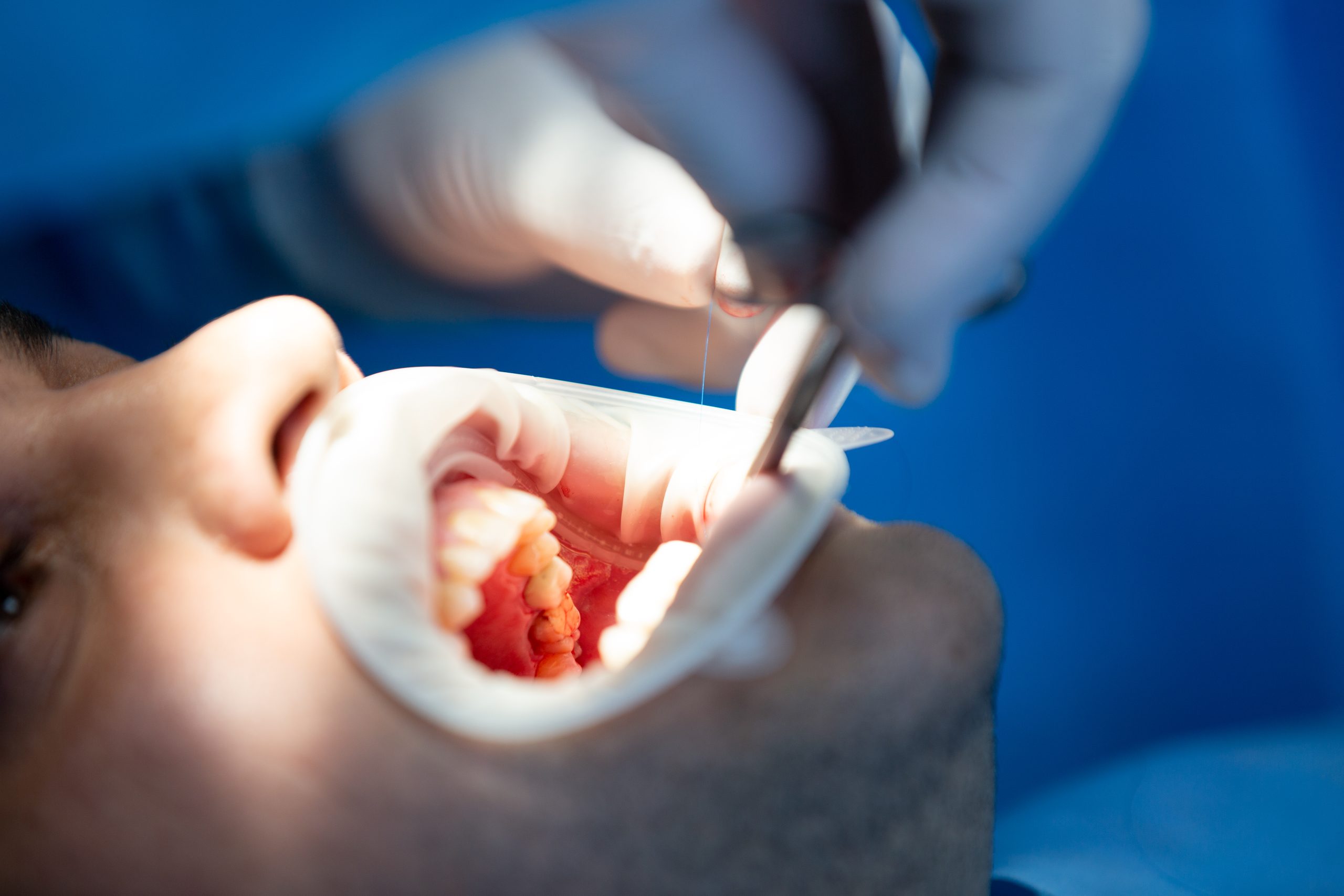
D Dental emergency can happen unexpectedly and may involve severe pain, swelling, bleeding, a broken tooth, or a mouth injury. Knowing when a dental problem needs urgent attention can help prevent it from worsening and may protect the affected tooth
A dental emergency refers to an unexpected oral health problem that requires immediate professional attention. Some emergencies cause severe pain or obvious damage, while others may appear minor at first but still require urgent care to prevent complications.
When Is Emergency Dental Care Necessary?
Not every dental problem requires immediate treatment, but you should never ignore certain symptoms. Severe pain, facial swelling, uncontrolled bleeding, signs of infection, or a knocked-out tooth need prompt assessment by a dental professional. If you have difficulty breathing or swallowing, significant facial swelling, or a serious injury involving the face or jaw, seek emergency medical care immediately.
At Weston Tulip Dental, we provide prompt dental emergency care to assess the issue, relieve discomfort, and recommend appropriate treatment. If you experience sudden tooth pain, a dental injury, or another urgent concern, seeking professional care promptly can help protect your oral health.
Common Dental Emergencies include:
• Severe or persistent toothache • A broken, cracked, or chipped tooth • A knocked-out or loosened tooth • A lost or damaged dental filling or crown • Dental injuries caused by an accident or impact • Swelling in the gums, face, or jaw • Excessive or persistent bleeding • A dental infection or abscess • Significant sensitivity following an injury • Pain or difficulty associated with a wisdom tooth
Contact a dental professional as soon as possible; severe or ongoing tooth pain can signal several conditions, including infection, decay, or a damaged tooth, and should be evaluated rather than ignored.
Is a broken tooth considered a dental emergency?
A broken tooth may require urgent dental care, particularly if there is significant pain, bleeding, swelling, or damage to the inside of the tooth. Contact a dentist to determine how soon it needs treatment.
What should I do if my tooth is knocked out?
Seek dental care immediately. Gently hold the tooth by the crown (the chewing surface) and avoid touching the root. If possible, rinse the tooth gently with water if it is dirty, but do not scrub or remove any attached tissue. Keep the tooth moist (in milk or saliva) until you can get professional help.
Can a dental infection go away on its own?
Dental infections generally require professional evaluation and treatment. Even if pain decreases temporarily, the underlying infection may still be present.
What should I do if my dental crown or filling falls out?
If your dental crown or filling comes out, try to save it and arrange a dental appointment as soon as possible. Until your dentist examines the tooth, avoid chewing on that side to help prevent further damage or discomfort.
Should I go to a hospital or a dentist for a dental emergency?
A dentist can treat many dental emergencies. However, if you have difficulty breathing or swallowing, significant facial swelling, uncontrolled bleeding, or a serious facial injury, seek emergency medical care immediately.