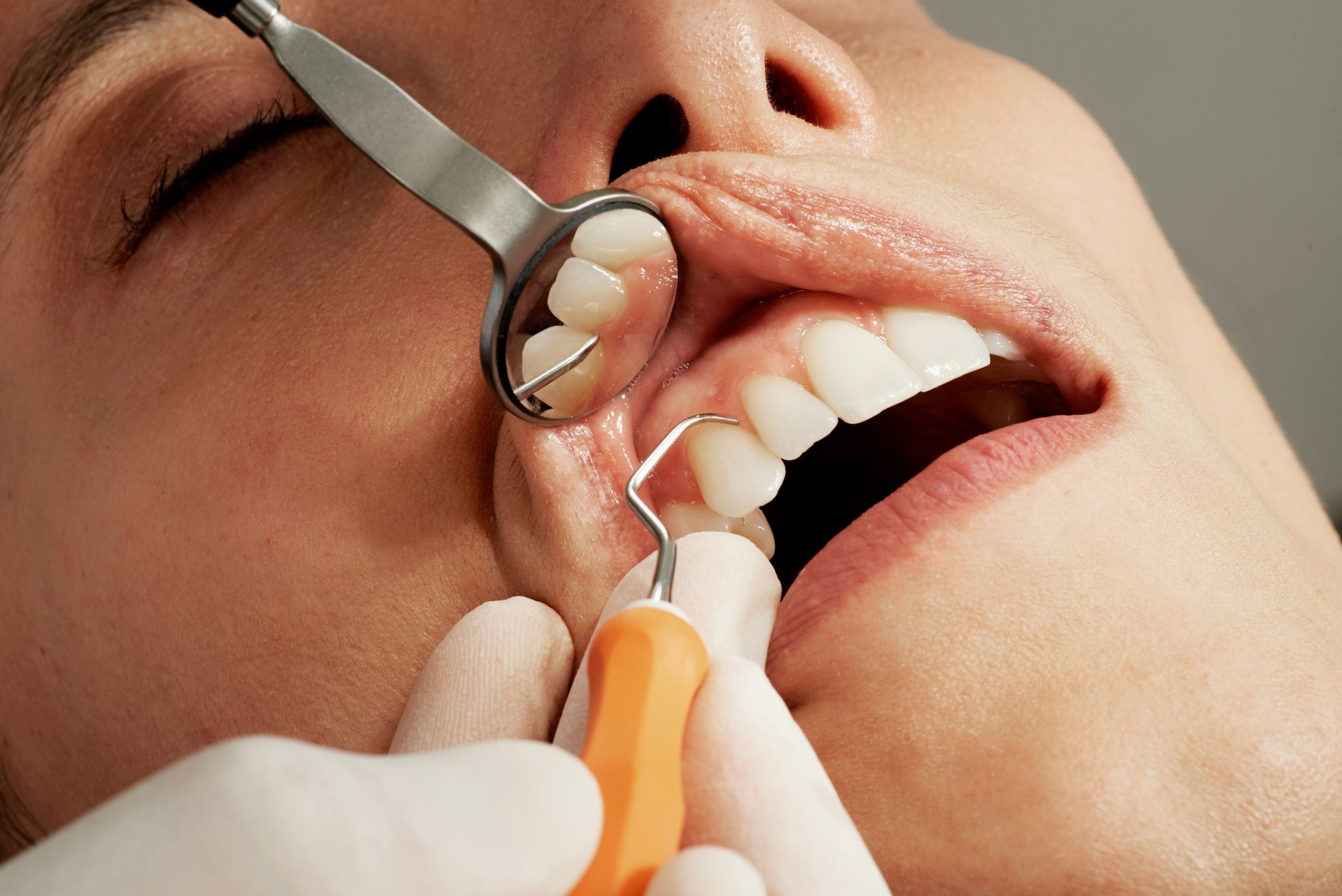
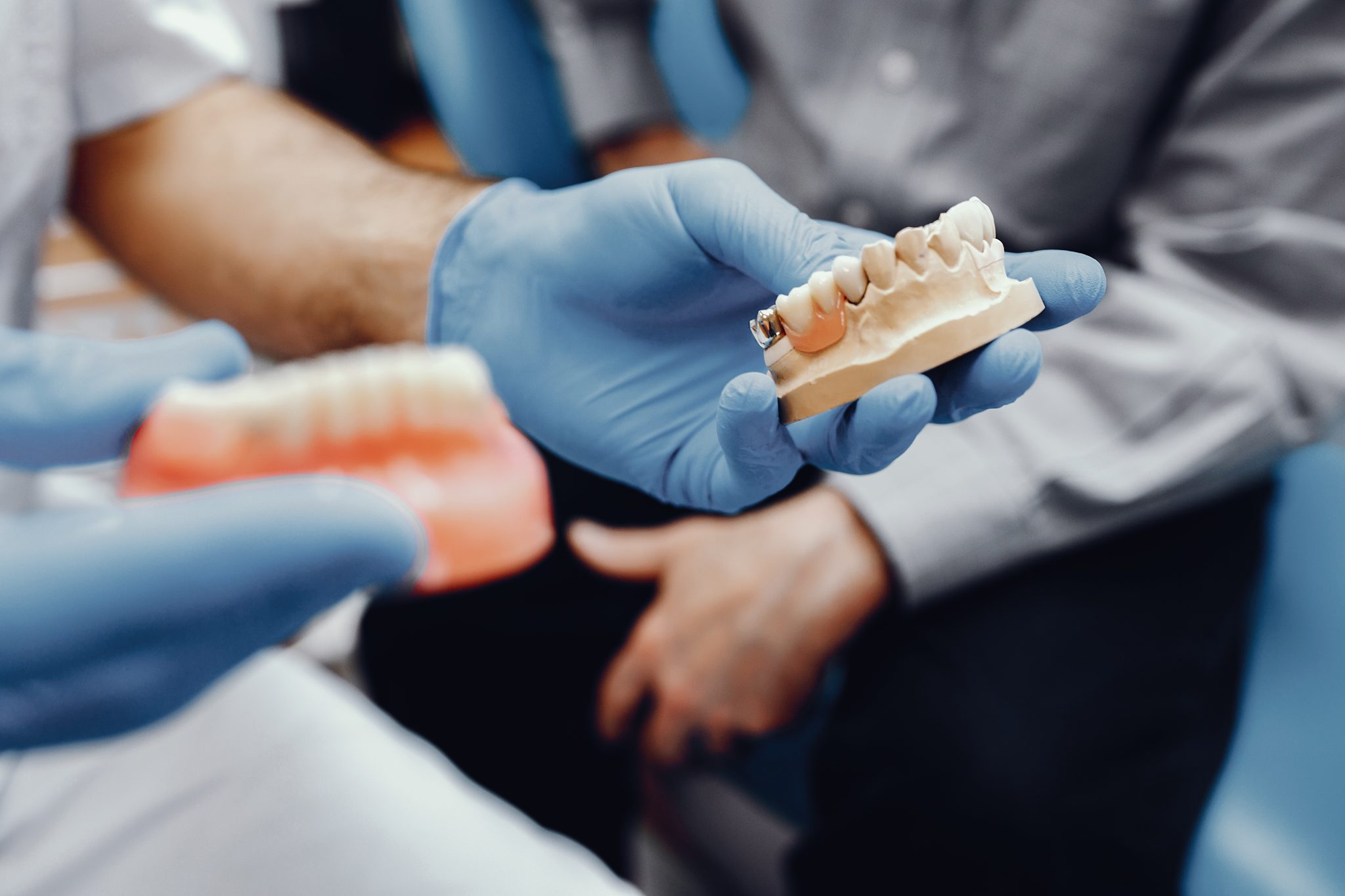
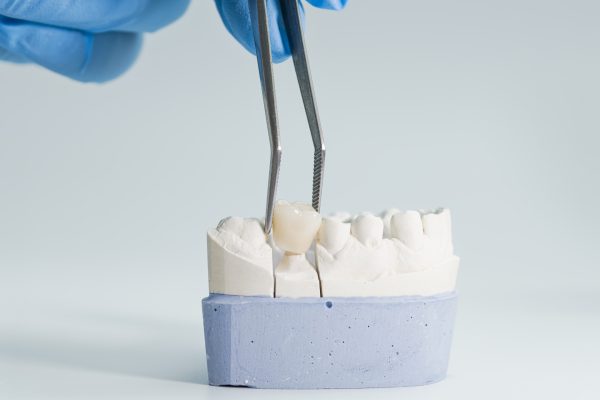
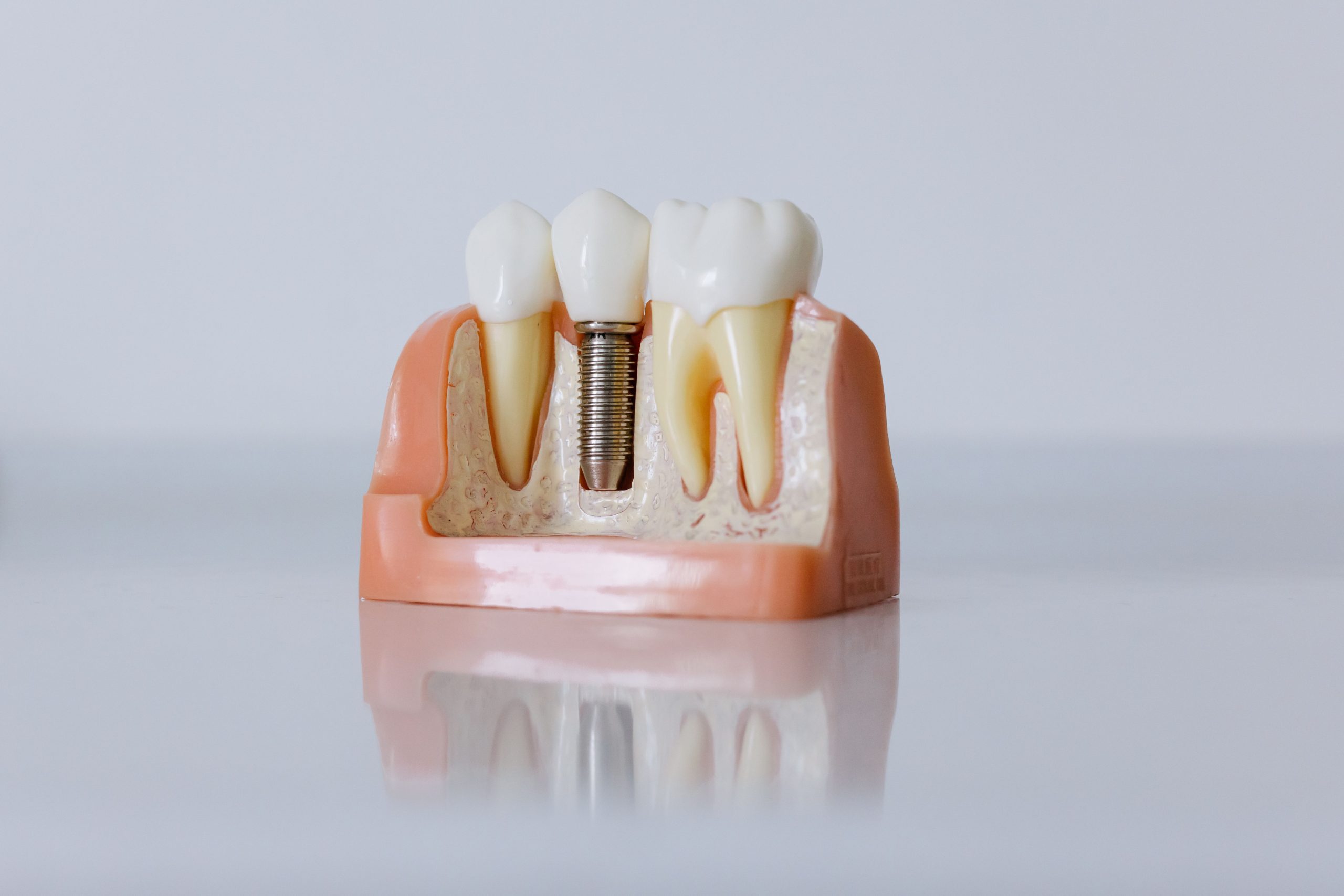
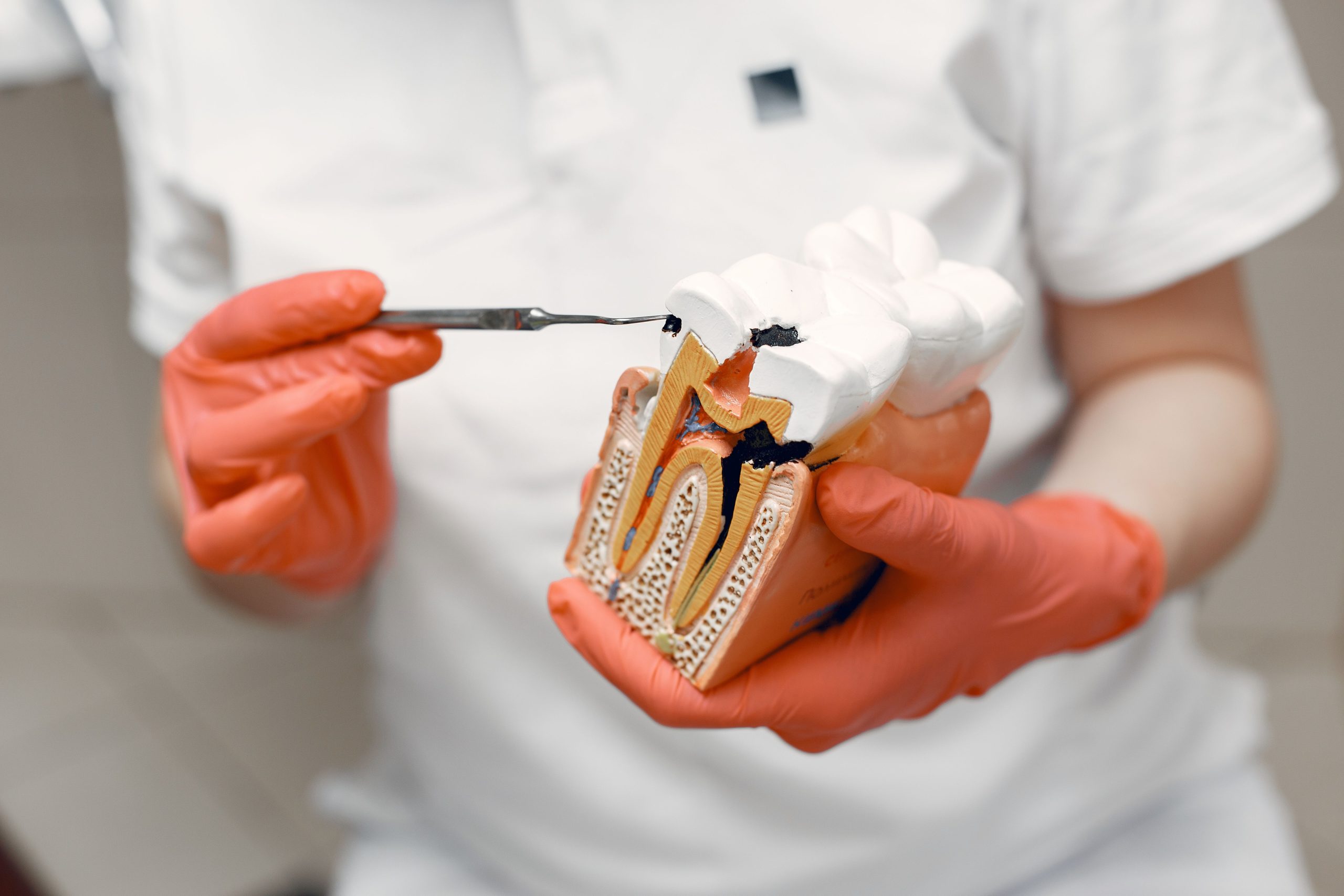
A A damaged or weakened tooth may require more protection than a filling can provide. A dental crown is a tailored restoration designed to cover the visible portion of a prepared tooth and protect it. It covers the visible portion of a prepared tooth, helping restore its structure, strength, function, and appearance. Dentists may recommend crowns for teeth affected by extensive decay, fractures, large fillings, or previous dental treatment.
Also known as a dental cap, a crown fits securely over the prepared tooth and functions as part of the natural dental arch. The restoration is shaped to provide proper coverage, support the remaining tooth structure, and restore normal function.
Type of Dental Crowns
Dental crowns are available in a range of materials, including porcelain, ceramic, zirconia, and metal. including porcelain, ceramic, zirconia, and metal. The best option depends on factors such as the tooth’s location, functional demands, aesthetic goals, and overall oral health. Each material offers different characteristics in terms of strength, durability, and appearance.
At Weston Tulip Dental, we examine the affected tooth and evaluate its condition, function, and structural integrity to determine if a dental crown is indicated. We tailor each treatment plan to the patient’s specific restorative needs.
A Crown may help:
• Strengthen a weakened tooth • Protect a damaged tooth from further breakdown • Restore normal chewing function • Cover a severely discoloured or misshapen tooth when appropriate • Restore a tooth after root canal treatment • Replace a damaged or worn restoration • Improve the overall appearance of a compromised tooth
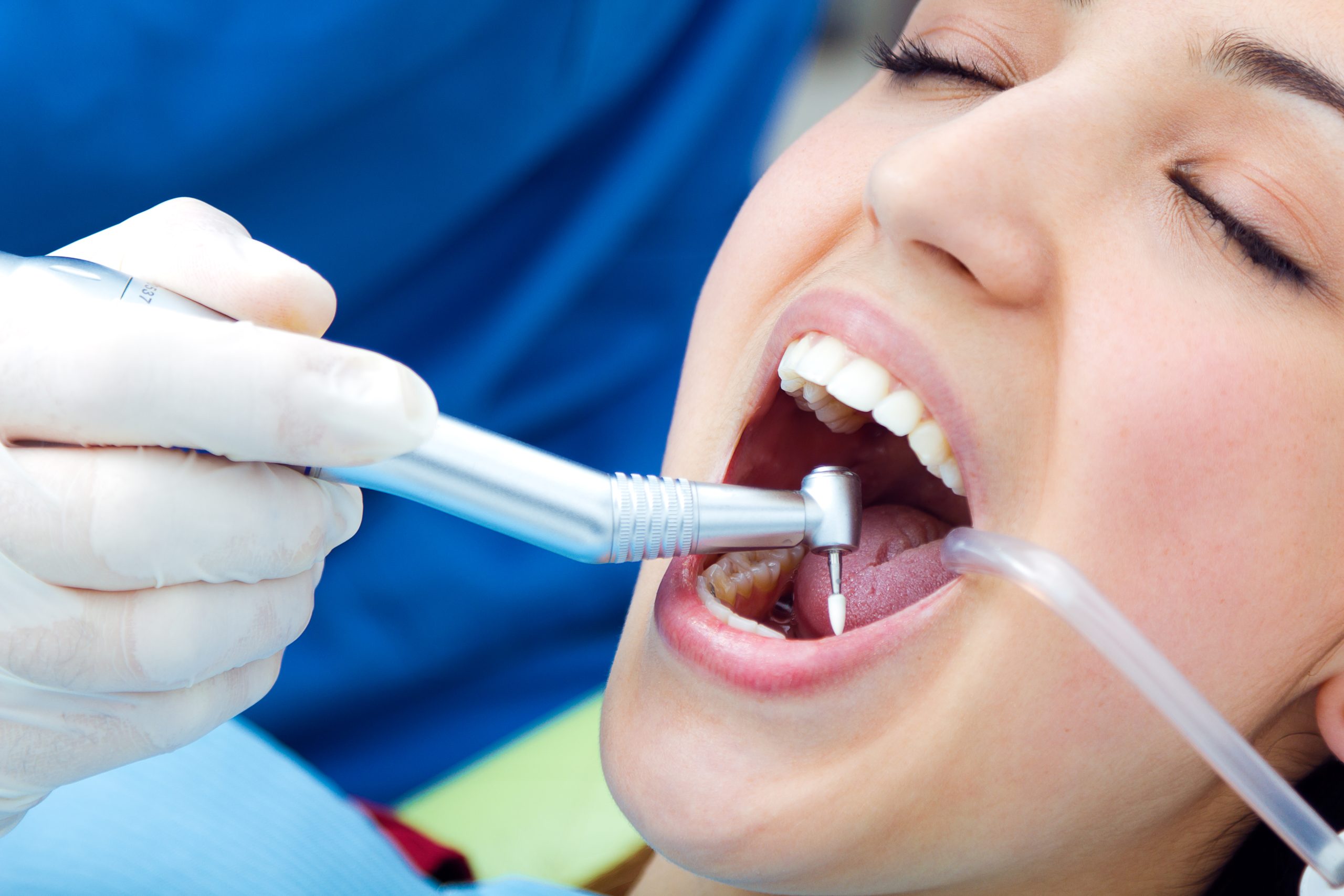
The tooth is normally numbed during preparation to help keep you comfortable. Some temporary sensitivity or tenderness may occur afterward, but your dentist should evaluate persistent or significant discomfort.
How long does it take to get a crown?
The process typically involves preparing the tooth, creating the restoration, and placing the permanent crown at a later appointment. The exact timeline depends on the restoration type and your individual treatment plan.
Can a crown look like a natural tooth?
Yes. Several crown materials closely resemble natural teeth. Your dentist can recommend the most appropriate option based on your tooth's condition and overall oral health. This includes the tooth's location and your aesthetic and functional needs.
Can a crown protect a cracked tooth?
A crown may help protect certain damaged or cracked teeth by covering and supporting the remaining tooth structure. However, a crown's suitability depends on the crack's location and severity.
Can a crowned tooth still get a cavity?
Yes. The crown itself does not decay, but the natural tooth underneath or around the edges of the crown can still develop decay. Good oral hygiene and regular dental care remain important.
What should I do if my crown falls out?
Contact your dental clinic and avoid chewing on the affected side. If possible, keep the crown and bring it with you for evaluation.