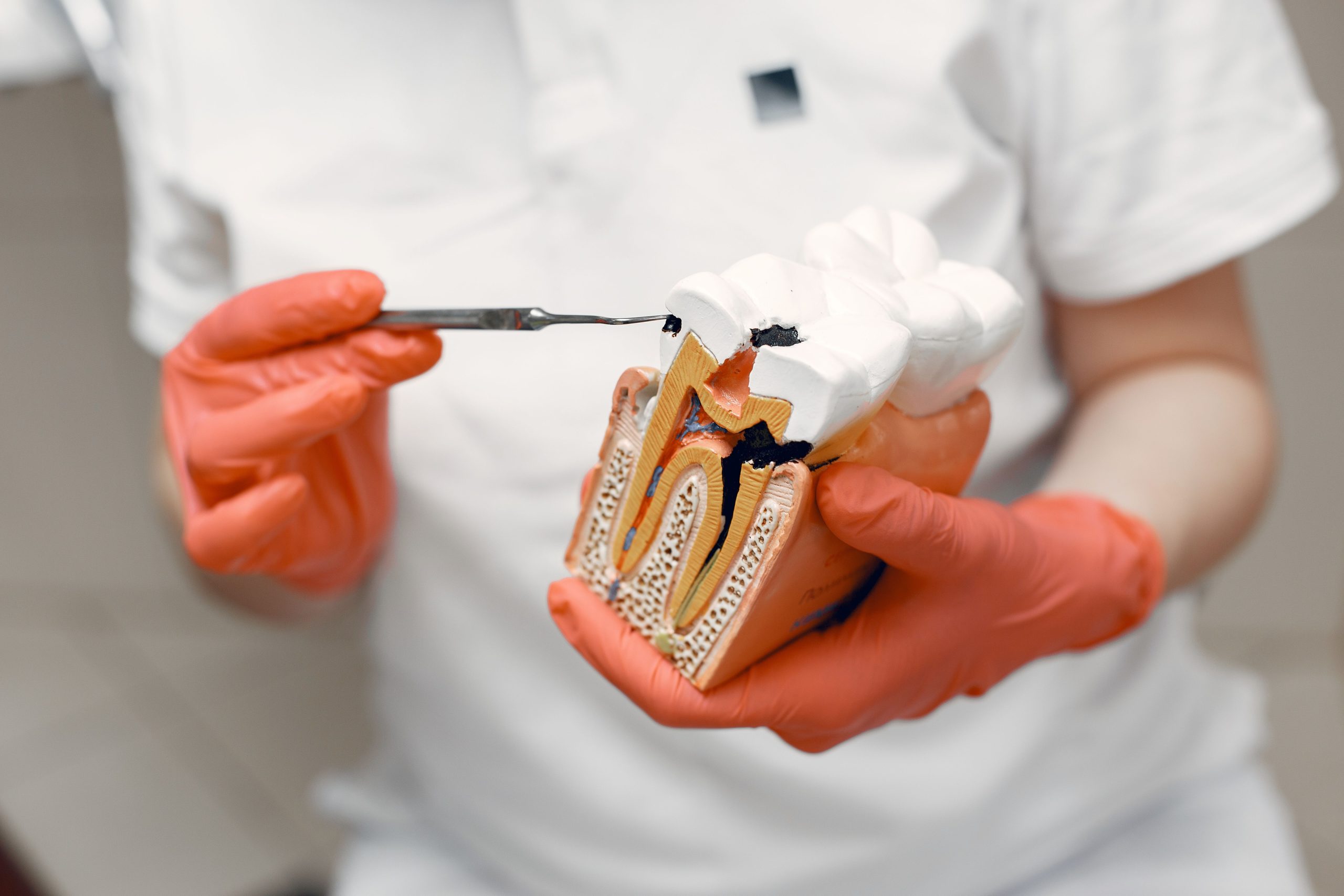
R Root canal therapy is an endodontic treatment that treats infection or inflammation within a tooth. It treats infection or inflammation within the tooth. removes diseased or infected pulp tissue from within the tooth. diseased or infected pulp tissue from within the tooth. Infected or inflamed pulp tissue. It cleans and disinfects the root canal system and aims to preserve the natural tooth whenever possible.
Root canal treatment may be recommended for teeth affected by extensive decay, cracks or fractures, repeated dental procedures, or traumatic injury. If left untreated, infection within the tooth may spread into the surrounding bone and tissues.
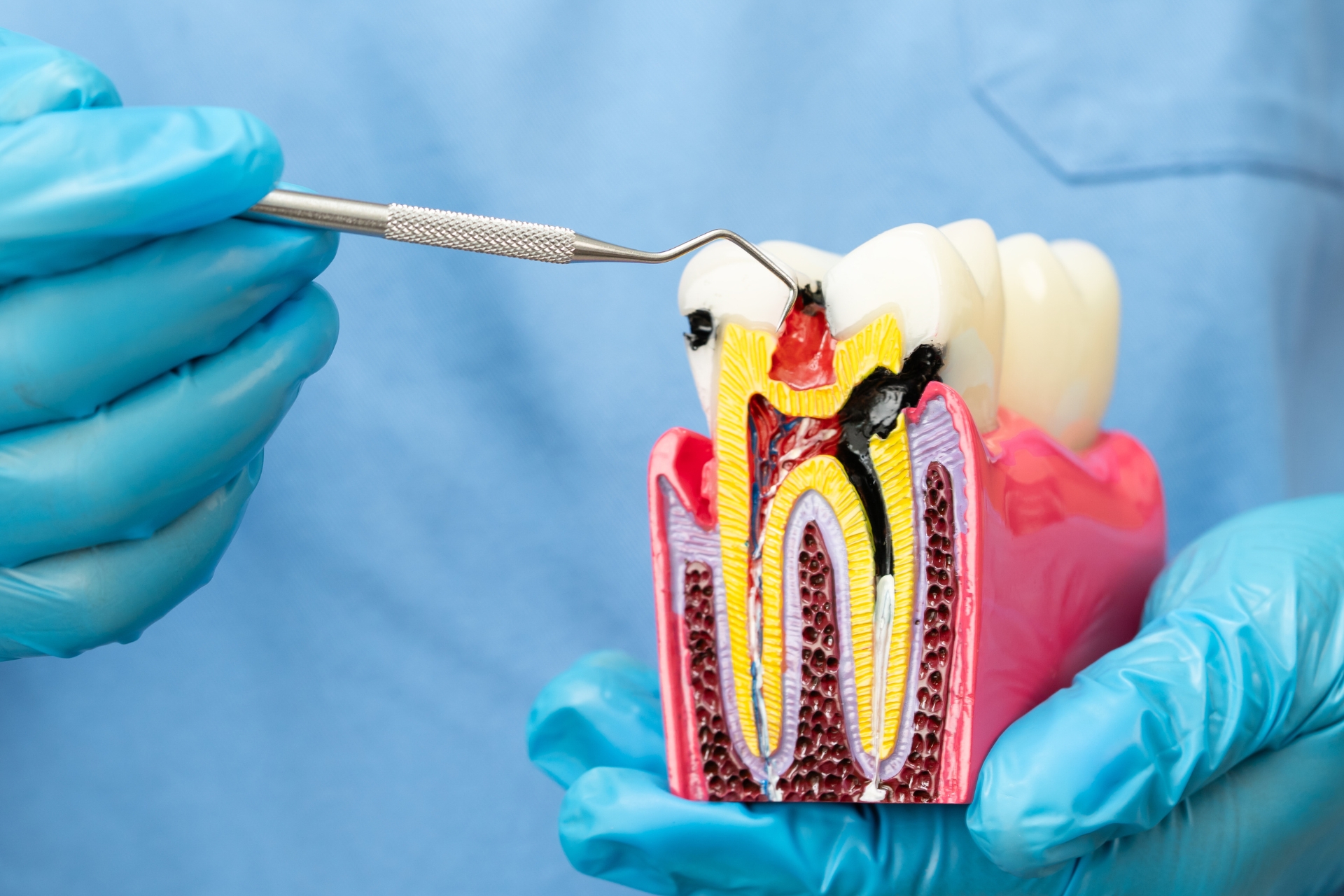
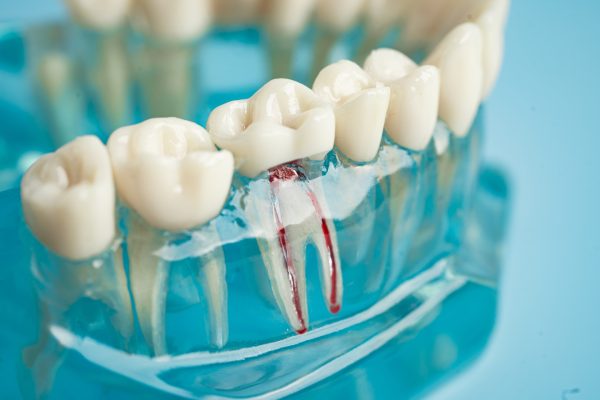
The pulp is the soft tissue within the tooth that contains nerves and blood vessels. When bacteria enter the pulp through decay, cracks, or other structural damage, inflammation or infection can develop.
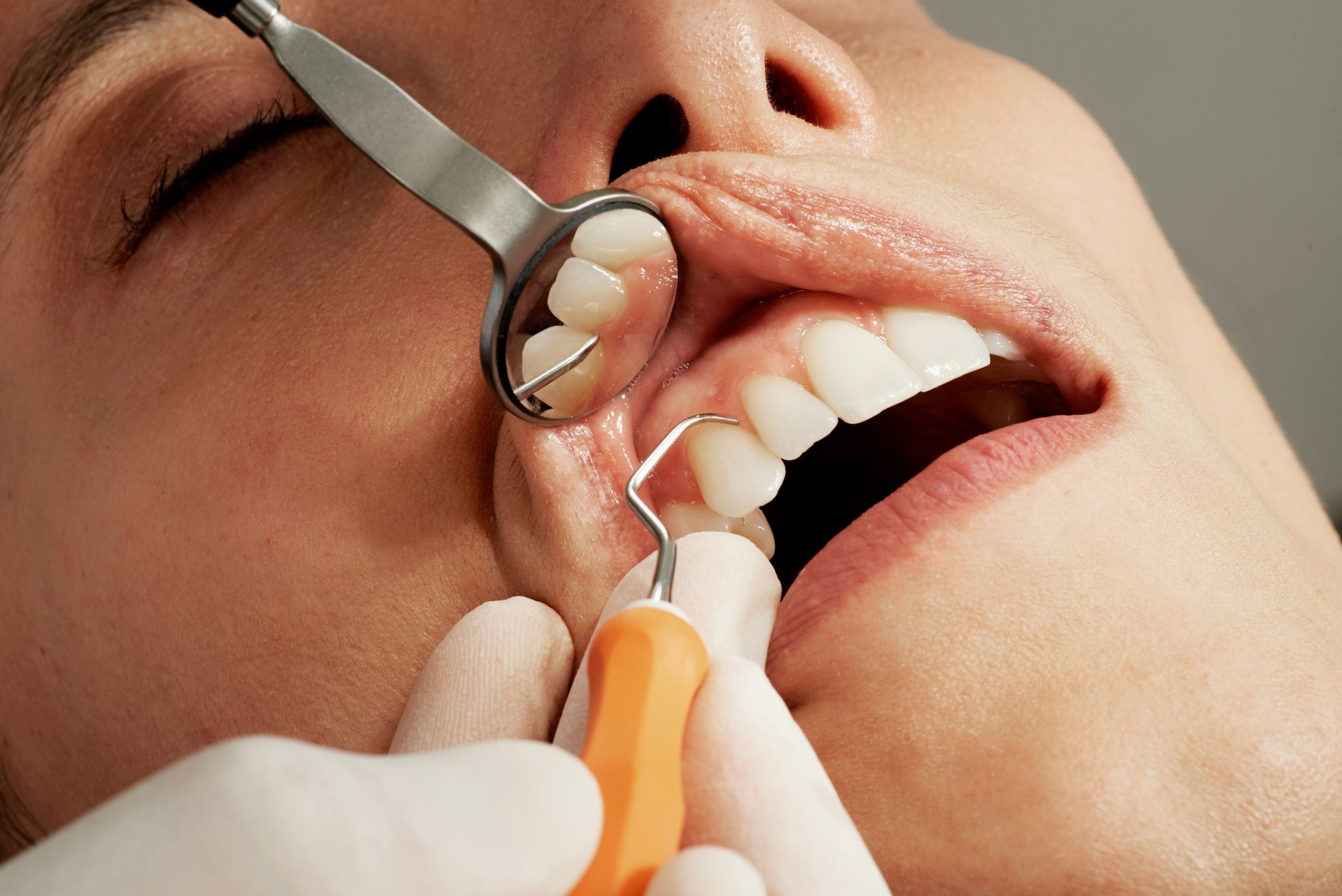
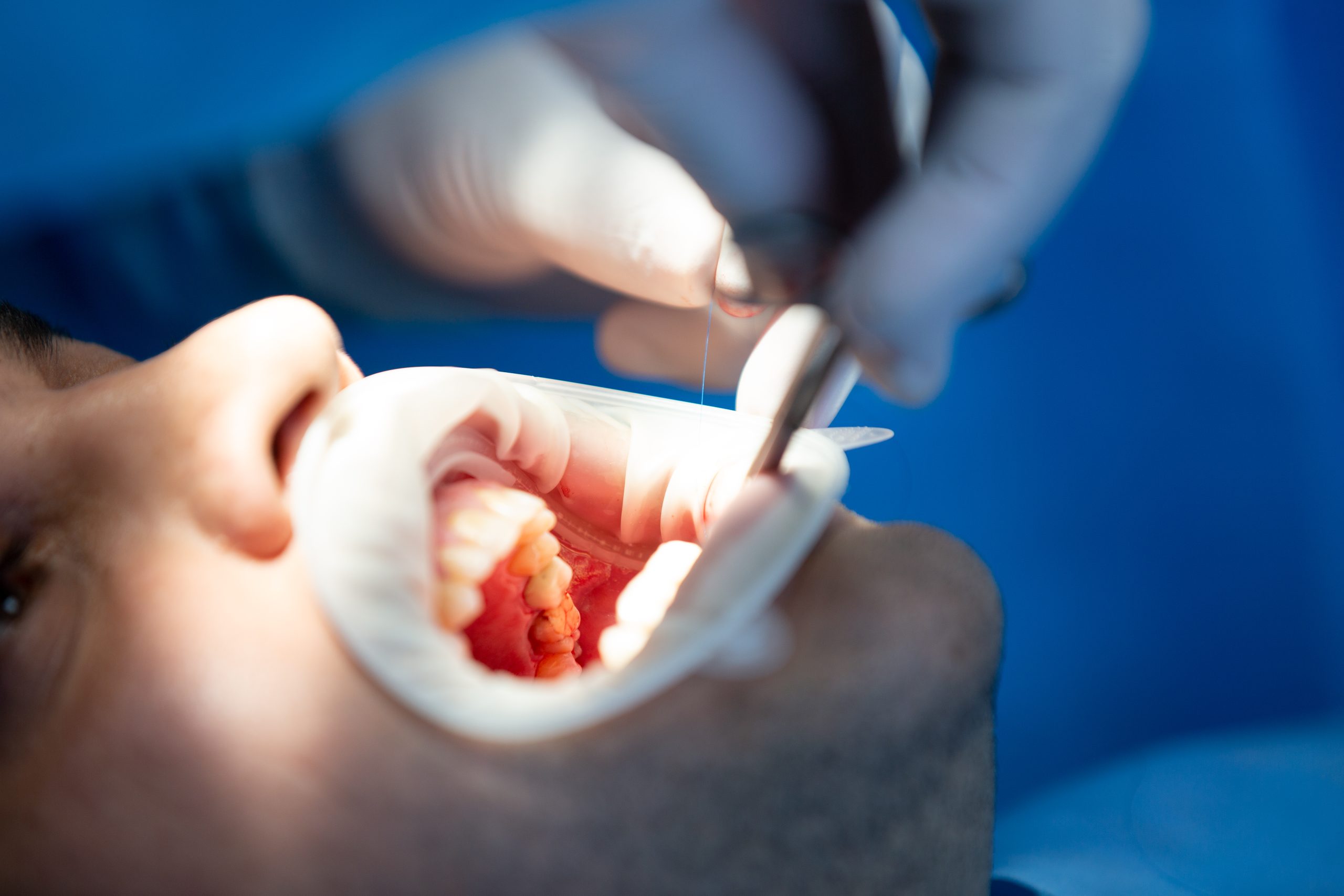
During root canal treatment, the dentist carefully cleans and disinfects the root canal system. The dentist then fills and seals the canals to help prevent reinfection and support long-term preservation of the natural tooth.
Types of Root Canal Treatment
Root canal treatment can involve different approaches depending on the tooth‘s condition and treatment history. Primary root canal treatment is performed on a tooth that has not previously undergone endodontic treatment. Root canal retreatment may be required when a previously treated tooth develops persistent or recurrent infection. In some cases, endodontic surgery, such as an apicoectomy, may be considered when infection remains around the root tip despite conventional root canal treatment.
At Weston Tulip Dental, we evaluate the affected tooth with a clinical exam and diagnostic imaging to assess pulpal and periapical health. When root canal therapy is indicated, we plan treatment to remove infected pulp, disinfect the root canal system, and preserve the natural tooth whenever possible.
Common Reasons for Root Canal Treatment
A tooth may need root canal treatment when the pulp has become significantly inflamed or infected. • Deep tooth decay • A crack or fracture • Significant damage caused by an injury • Repeated procedures on the same tooth • Bacteria penetrating the inner tissues of the tooth • Damage that affects the pulp
Persistent tooth pain, prolonged sensitivity, pain when biting, swelling, or other changes may indicate a pulp problem. However, only a dental examination can determine whether root canal treatment is necessary.
Can a root canal be done without pain?
The tooth is normally numbed during treatment to help keep you comfortable. Some tenderness may occur afterward as the surrounding tissues recover.
Does a Root Canal Save the Tooth?
Root canal therapy helps save a natural tooth by removing the infected or inflamed pulp, cleaning and disinfecting the root canal system, and then filling and sealing it to prevent future infection. The overall outcome depends on the tooth’s condition, the extent of damage, and the amount of healthy structure remaining.
Can a root canal fail?
Root canal treatment is intended to remove infection and seal the inside of the tooth, but problems can occasionally return. If symptoms persist or return, have the tooth evaluated.
Is it better to have a root canal or extraction?
These treatments serve different purposes.
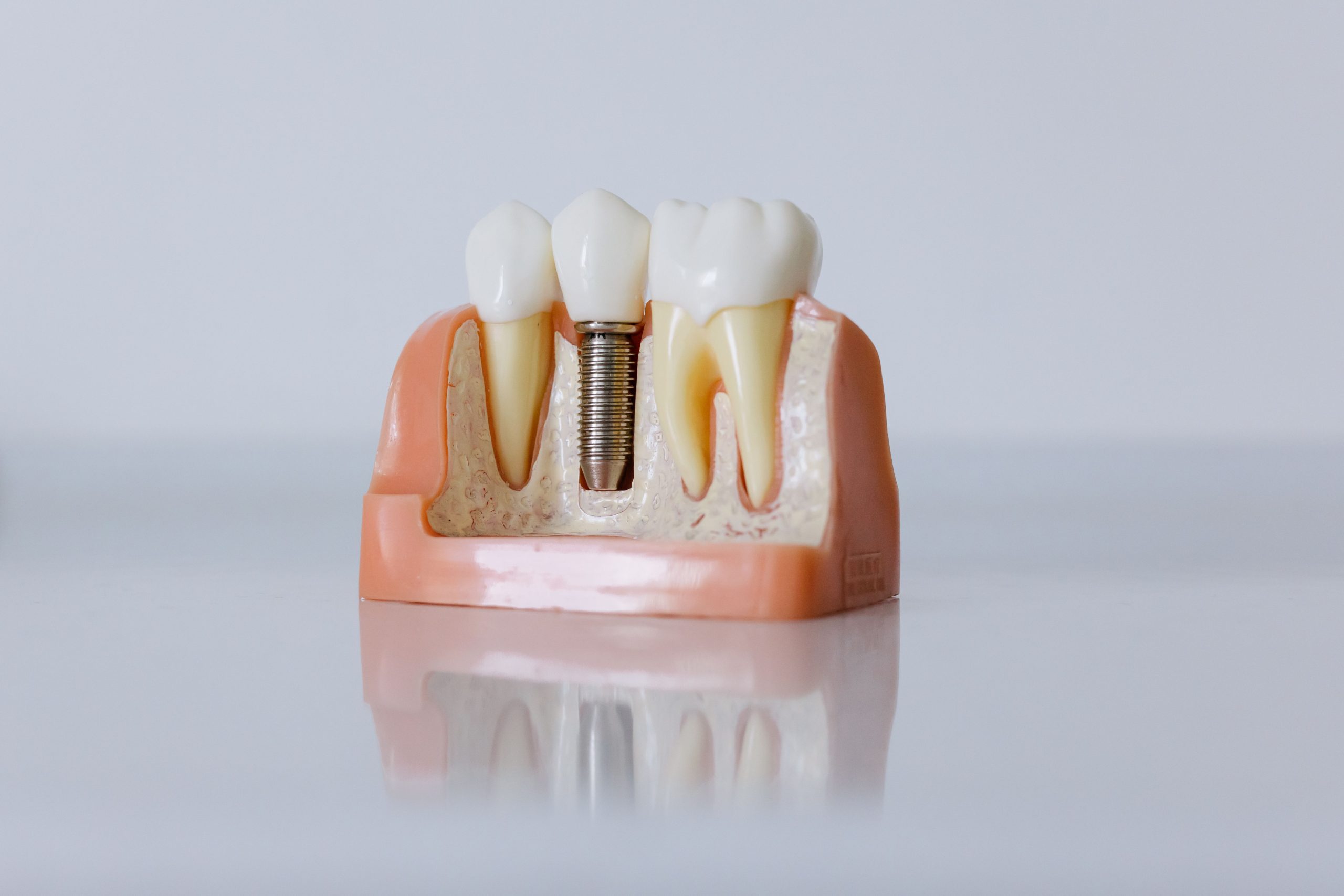
When a tooth can be predictably restored, root canal therapy may allow the natural tooth to remain in place. If the tooth cannot be adequately restored, you may need to consider extraction. Your dentist can recommend appropriate options based on your specific dental condition. Specific condition.
What Is Recovery Like After Root Canal Treatment?
Mild tenderness may occur briefly after treatment. Follow your dentist’s instructions for oral hygiene, eating, and care of any temporary restoration until the final restoration is placed.