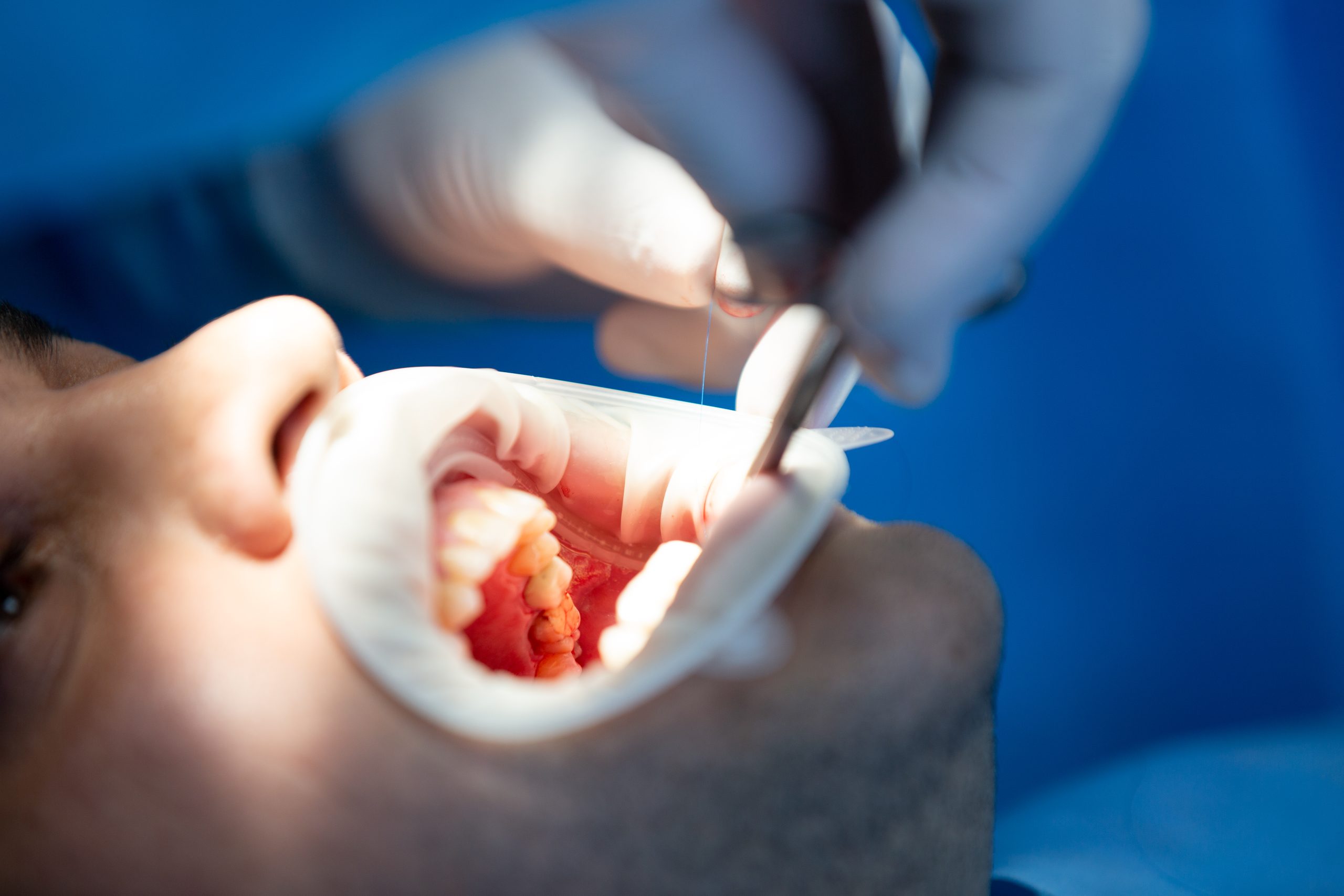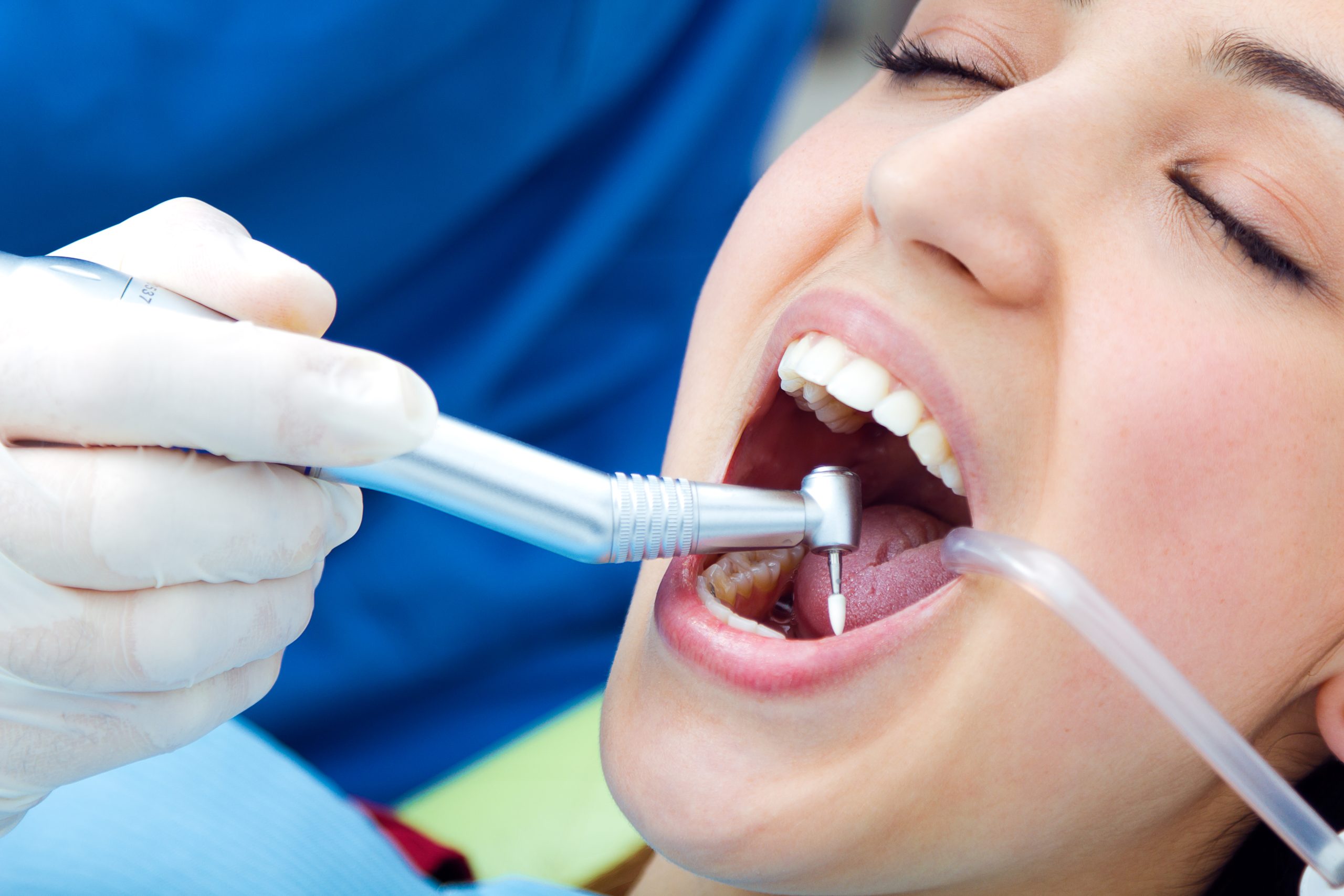
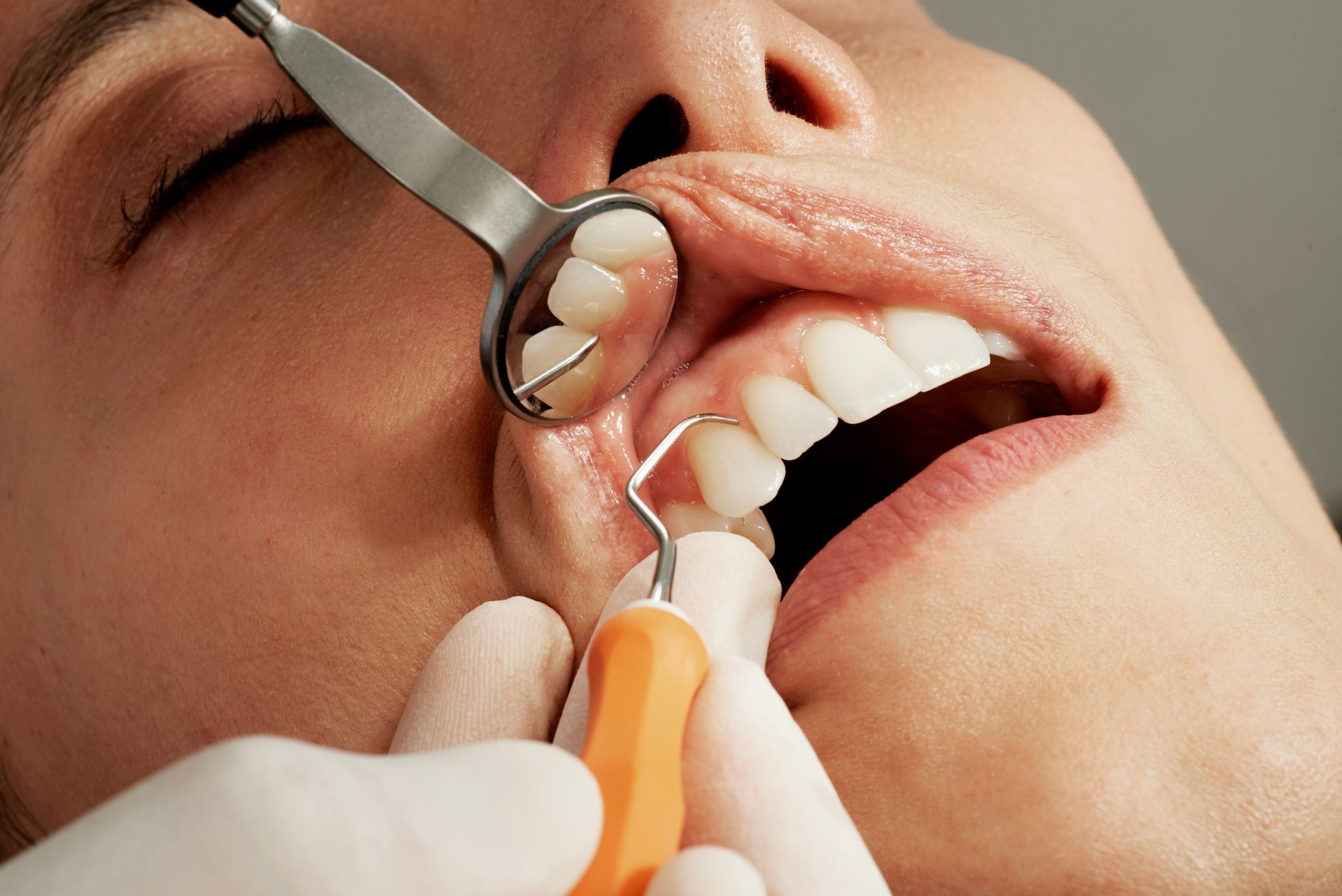
D Deep cleaning, commonly called scaling and root planing, is a periodontal procedure that treats plaque and tartar buildup below the gumline. a periodontal treatment used when plaque and tartar have accumulated below the gumline and cannot be adequately addressed with a routine dental cleaning. It focuses on cleaning the areas beneath the gums and removing deposits from the teeth and exposed root surfaces.

Unlike regular dental cleaning, which primarily addresses accessible areas of the teeth and gumline, deep cleaning targets buildup located deeper around the teeth.

Scaling removes plaque and tartar deposits from tooth surfaces and areas below the gumline. Root planing follows by smoothing the exposed root surfaces to reduce areas where bacteria can accumulate and support healthier gum tissue.


Can Deep Cleaning Treat Gum Disease?

Deep cleaning is commonly used to treat gum disease when plaque and tartar have accumulated below the gumline.It can remove deposits that contribute to gum inflammation and support healthier gum tissue. However, gum disease can require ongoing care, and your dentist may recommend periodontal maintenance or additional treatment depending on your condition.

At Weston Tulip Dental, we recommend deep cleaning based on periodontal findings such as gum inflammation, pocket depth, and plaque or tartar buildup below the gumline. Our dental professionals will explain the treatment and provide personalized guidance to support periodontal health after the procedure.
Untitled design-41

Signs You May Need a Deep Cleaning

• Tartar buildup below the gumline
• Deep periodontal pockets
• Bleeding or swollen gums
• Persistent gum inflammation
• Gum recession
• Bone loss associated with periodontal disease
• Persistent bad breath related to gum problems

FAQ’s About Deep Cleaning

  • How Is Deep Cleaning Different from a Regular Dental Cleaning?

    During a routine dental cleaning, the dentist removes plaque and tartar from accessible tooth surfaces and the areas around the gumline. Deep cleaning is a periodontal treatment that targets buildup below the gumline and may include root planing to smooth the exposed root surfaces.
  • What Are the Signs That I May Need a Deep Cleaning?

    A dental examination can help determine whether deep cleaning is appropriate. Your dentist may evaluate gum inflammation, periodontal pocket depth, plaque and tartar accumulation, and other signs of periodontal disease.

  • How Often Is Deep Cleaning Needed?

    The frequency of deep cleaning depends on your periodontal health and treatment needs. It is not typically performed as part of a routine cleaning schedule and is recommended when clinically indicated.

  • Is Brushing Safe After a Deep Cleaning?

    Maintaining good oral hygiene is generally important after deep cleaning. Your dentist may give specific instructions for brushing and flossing based on your gums' condition and sensitivity.

  • Can Gums Heal After Deep Cleaning?

    Deep cleaning removes plaque and tartar that can contribute to gum inflammation, allowing the treated tissues to recover. Healing depends on the extent of gum disease and your oral hygiene after treatment.

  • Can Deep Cleaning Help Prevent Tooth Loss?

    Treating periodontal disease can help protect the gums and the bone that supports the teeth. Deep cleaning may be part of periodontal treatment, but long-term outcomes depend on disease severity, ongoing dental care, and daily oral hygiene.

Better Dental Care, One Visit Away!

Book appointment

+(1) 416 244 0402