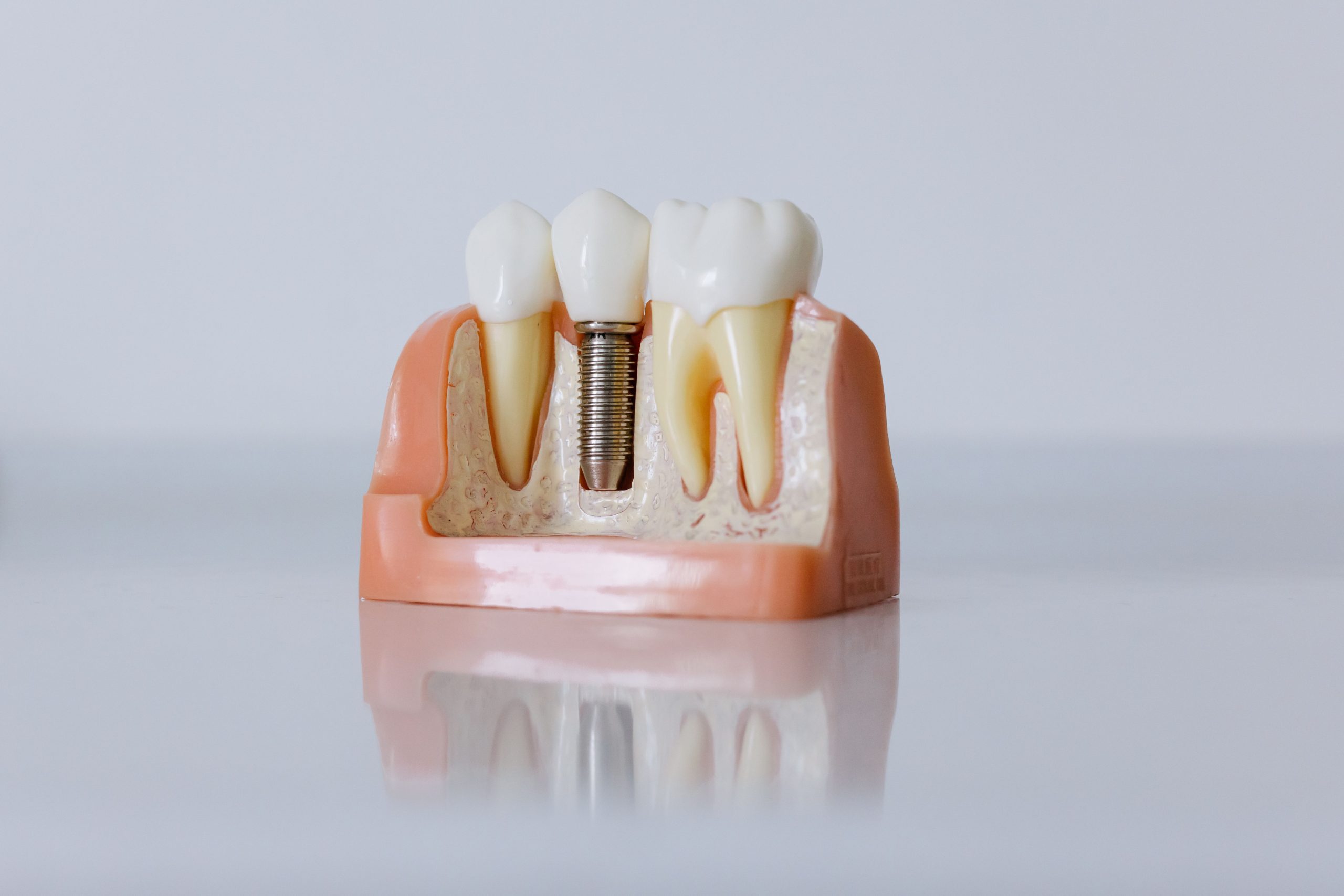
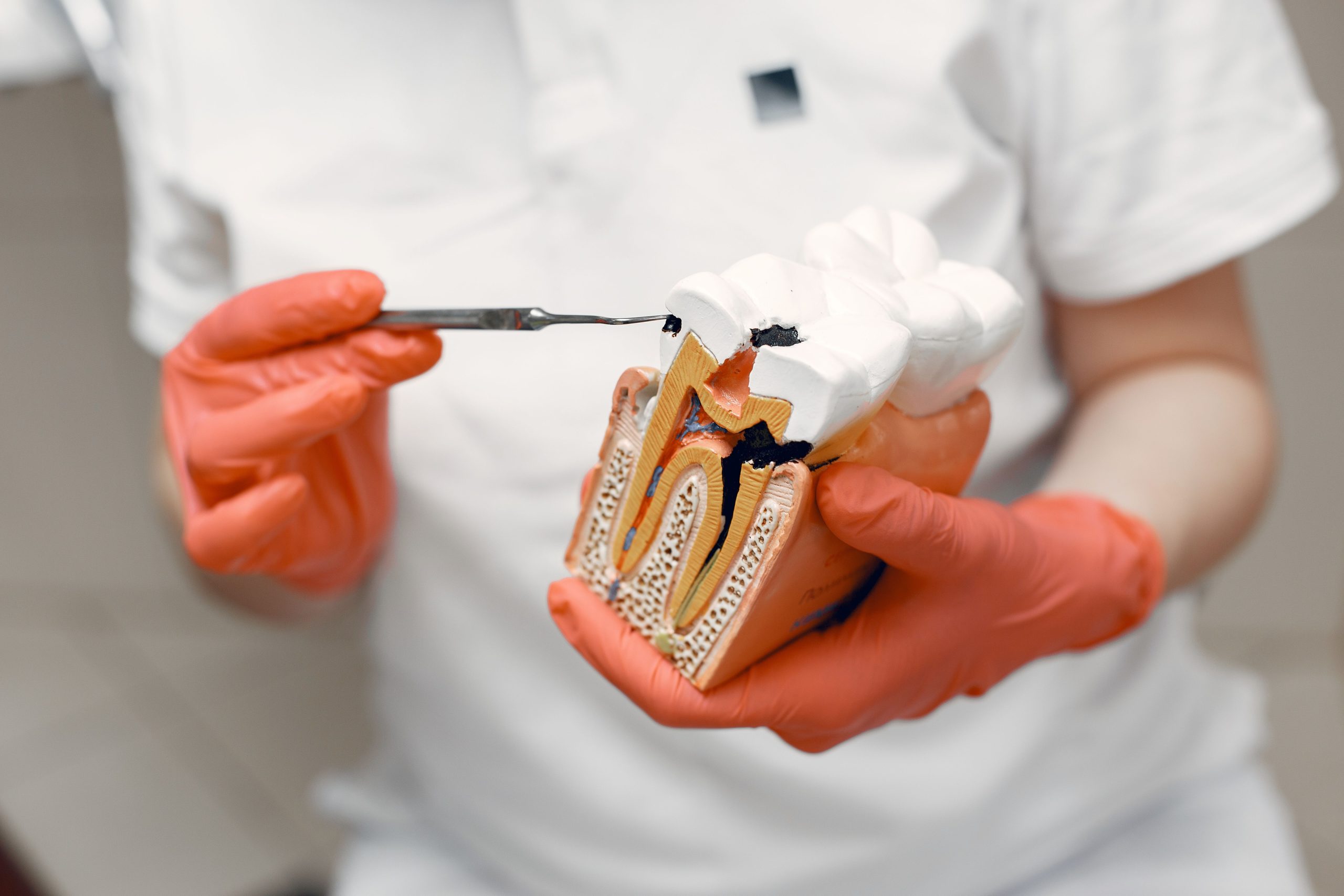
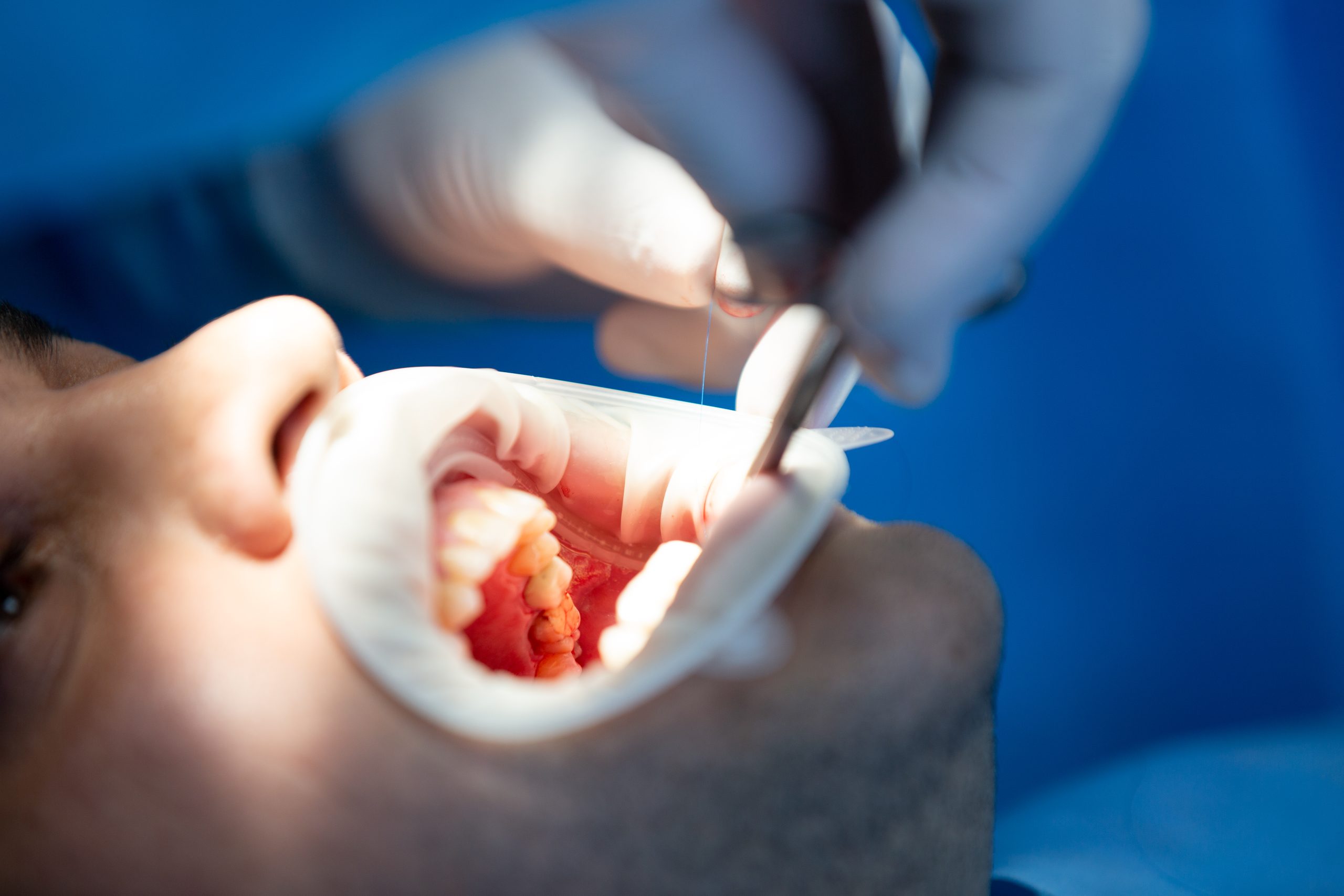
GGum care, also known as periodontal care, focuses on keeping gums healthy and supporting the tissues that surround and stabilize the teeth. Healthy gums help protect the tooth roots and provide essential support for long-term oral health.
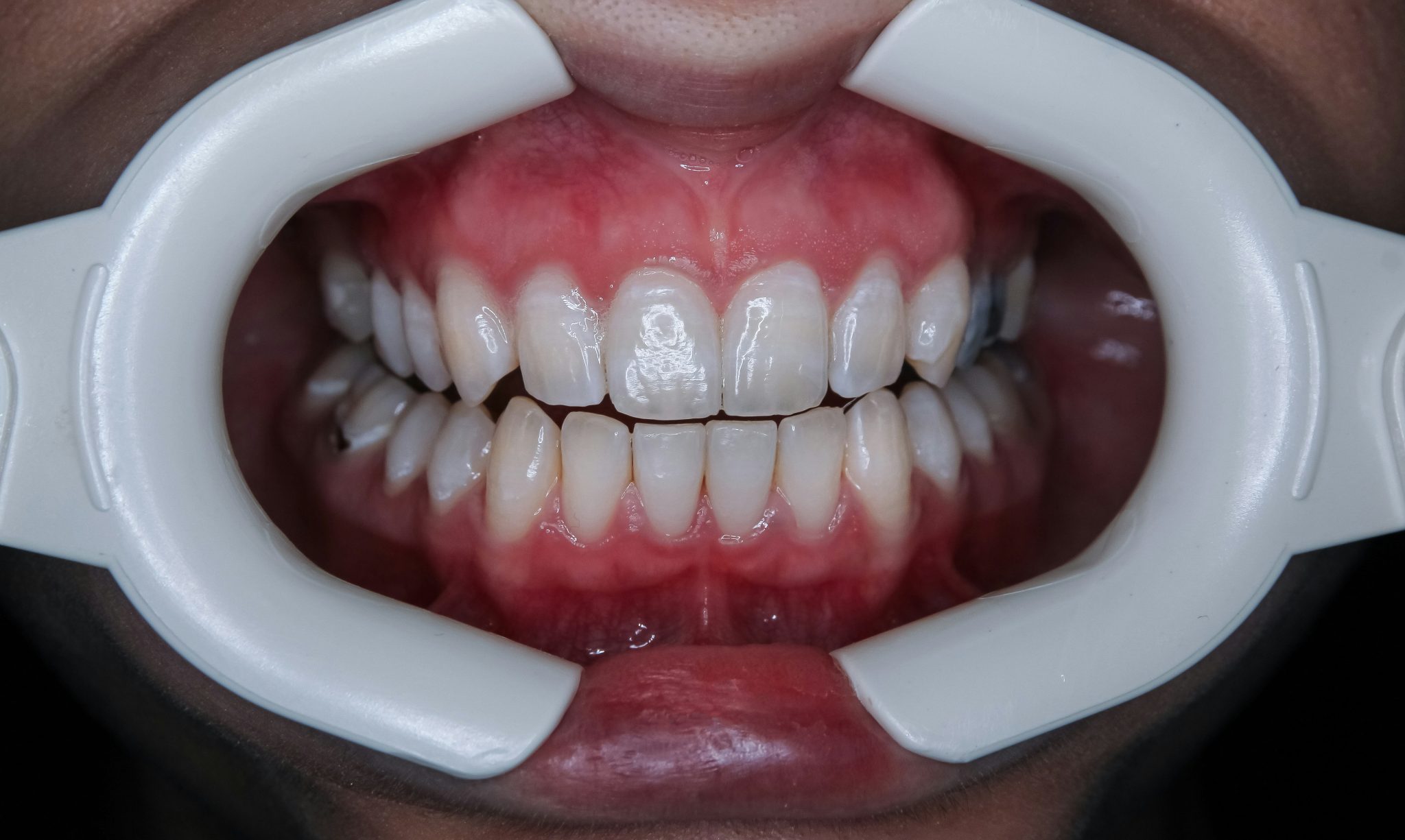
Gum problems can develop gradually and may begin with inflammation or irritation before becoming more advanced. Possible signs include bleeding, redness, swelling, tenderness, persistent bad breath, gum recession, or changes in the way the gums fit around the teeth. Regular dental examinations can help identify changes early and allow appropriate care when needed.
Gum Treatment Planning
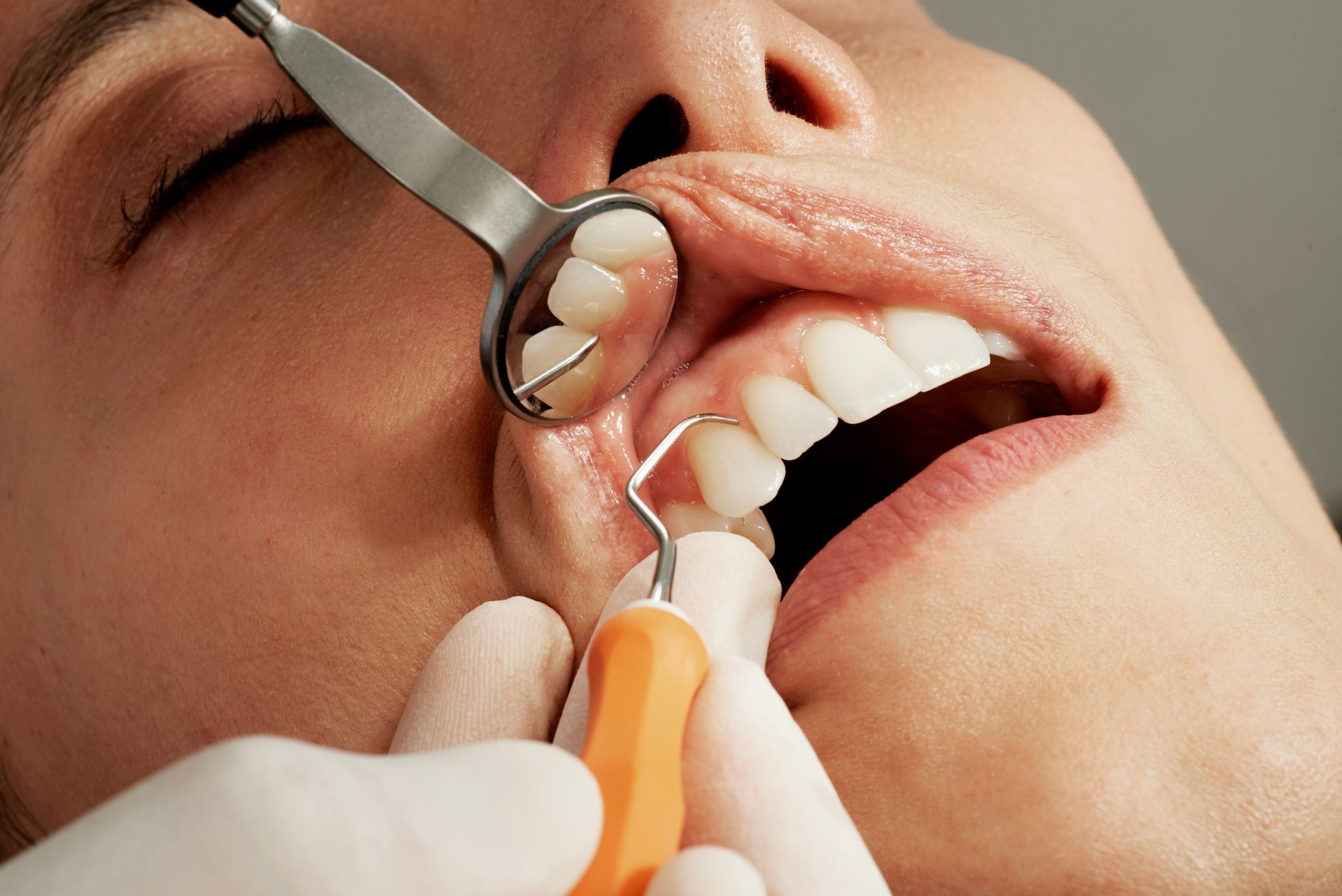
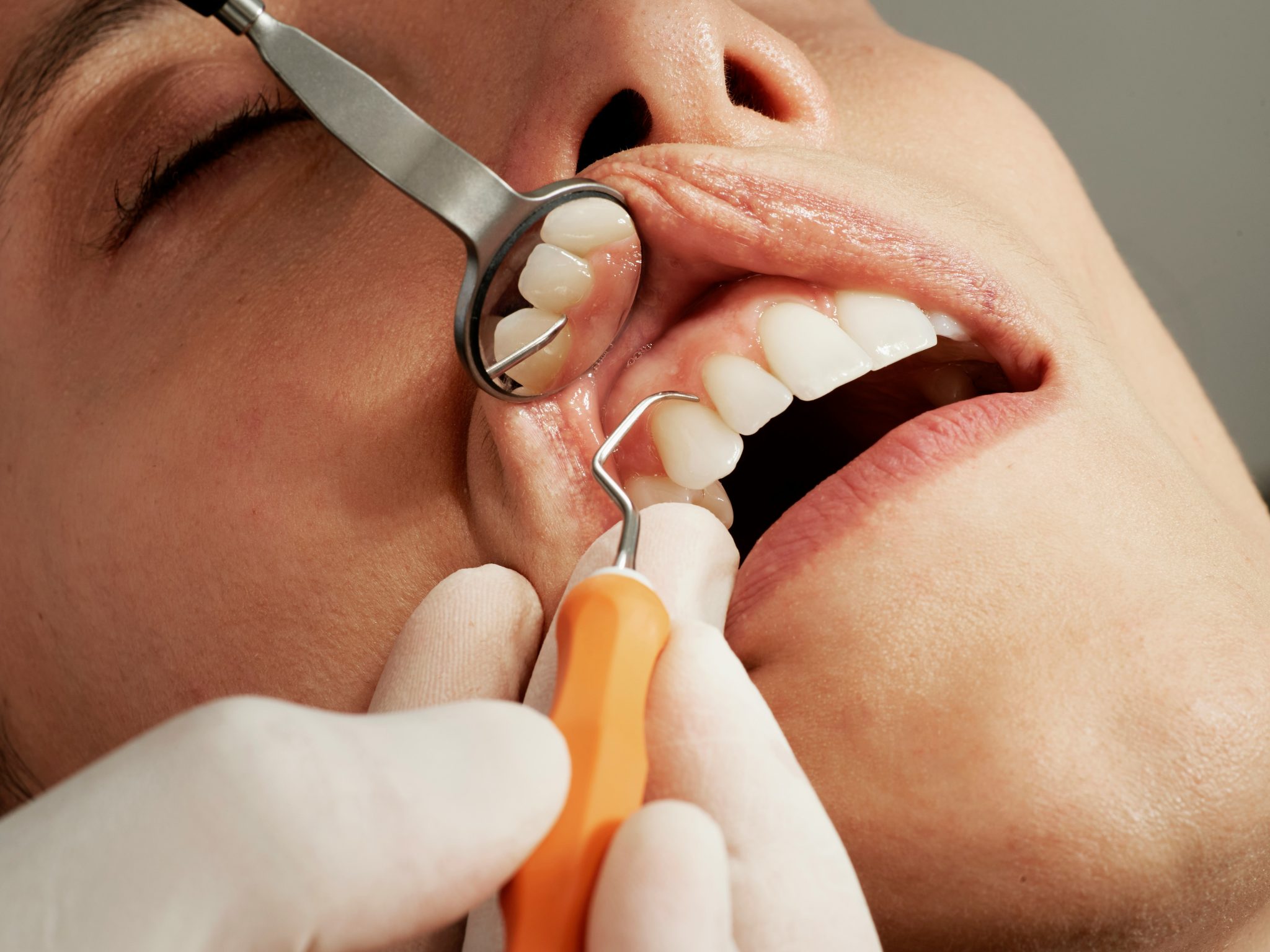
Gum treatment starts with a thorough evaluation of your gum health and overall oral condition. Your dentist will examine your gum tissues, check for plaque and tartar buildup, and look for signs of inflammation, infection, or changes in the tissues around your teeth.The findings help determine the appropriate level of periodontal care, whether you need a routine professional cleaning or additional treatment such as deep cleaning. We base the recommended approach on your gum condition, the extent of periodontal concerns, and your individual oral health needs.
At Weston Tulip Dental, we tailor gum care to your periodontal health and individual needs. Depending on your condition, treatment may include professional cleaning, deep cleaning, gum disease therapy, and personalized guidance to help maintain healthy gums and supporting tissues.
Gum Care can help :
. Plaque and tartar buildup • Red or swollen gums • Bleeding during brushing or flossing • Gum tenderness or sensitivity • Persistent bad breath • Gum recession • Gum inflammation • Early signs of gum disease • Periodontal disease • Changes in the tissues supporting the teeth
Healthy gums play an important role in preserving natural teeth and maintaining overall oral health. Without appropriate treatment, gum disease can gradually damage the tissues and bone that support the teeth, which may cause tooth mobility and, in more advanced cases, tooth loss.
Identifying gum disease early and treating it appropriately can help preserve the tissues and bone that support your teeth, supporting long-term oral health and stability. Regular dental exams, professional cleanings, proper brushing and flossing, and recommended periodontal care can also help maintain healthy gums and limit the progression of gum disease.
At Weston Tulip Dental, our team examines your gums for signs of inflammation, infection, and other periodontal conditions. If you experience bleeding, swelling, sensitivity, or ongoing bad breath, an oral health assessment can help identify the cause and determine the appropriate care for your needs.
Early Detection of Gum Disease
Gum disease may begin with subtle changes that are not always noticeable. Early signs can include red, swollen, tender, or bleeding gums, persistent bad breath, gum recession, or increased sensitivity around the teeth. In some cases, gum disease can develop with few noticeable symptoms, so regular dental exams are important for early detection.
Identifying and treating periodontal concerns early can help limit disease progression and protect the gums, supporting tissues, and bone around the teeth. If symptoms persist, a dental assessment can help determine the underlying cause and appropriate treatment.
FAQ’s About Gum Care
What are common signs of gum disease?
Common signs may include bleeding gums, redness, swelling, tenderness, persistent bad breath, gum recession, or changes around the teeth.
Why do my gums bleed when I brush or floss?
Bleeding can be associated with gum inflammation or other oral health concerns. If bleeding occurs regularly, have a dental professional evaluate your gums.
Can gum disease be treated?
Yes. Gum disease can be managed with appropriate professional treatment and consistent oral hygiene. The type of treatment depends on the severity and condition of the gums.
Can gum disease affect my teeth?
Advanced gum disease can progressively damage the gums, connective tissues, and bone that anchor your teeth. If left untreated, it may lead to loose teeth or eventual tooth loss. Seeking early evaluation and timely treatment is crucial to protect these vital supporting structures and maintain your long-term oral health and smile.
How can I keep my gums healthy?
Brushing twice a day, cleaning between your teeth, maintaining regular dental visits, and following your dentist’s recommendations can all help support healthy gums.
Is deep cleaning the same as a regular dental cleaning?
No. A regular cleaning mainly removes plaque and tartar from accessible areas of the teeth, while deep cleaning addresses buildup and periodontal concerns around and below the gumline.