H Healthy gums are essential for maintaining the health and stability of your teeth. Gum disease can occur when plaque and harmful bacteria accumulate around the teeth and beneath the gumline, triggering inflammation and infection. Without proper treatment, the condition can damage the tissues and bone that support the teeth.
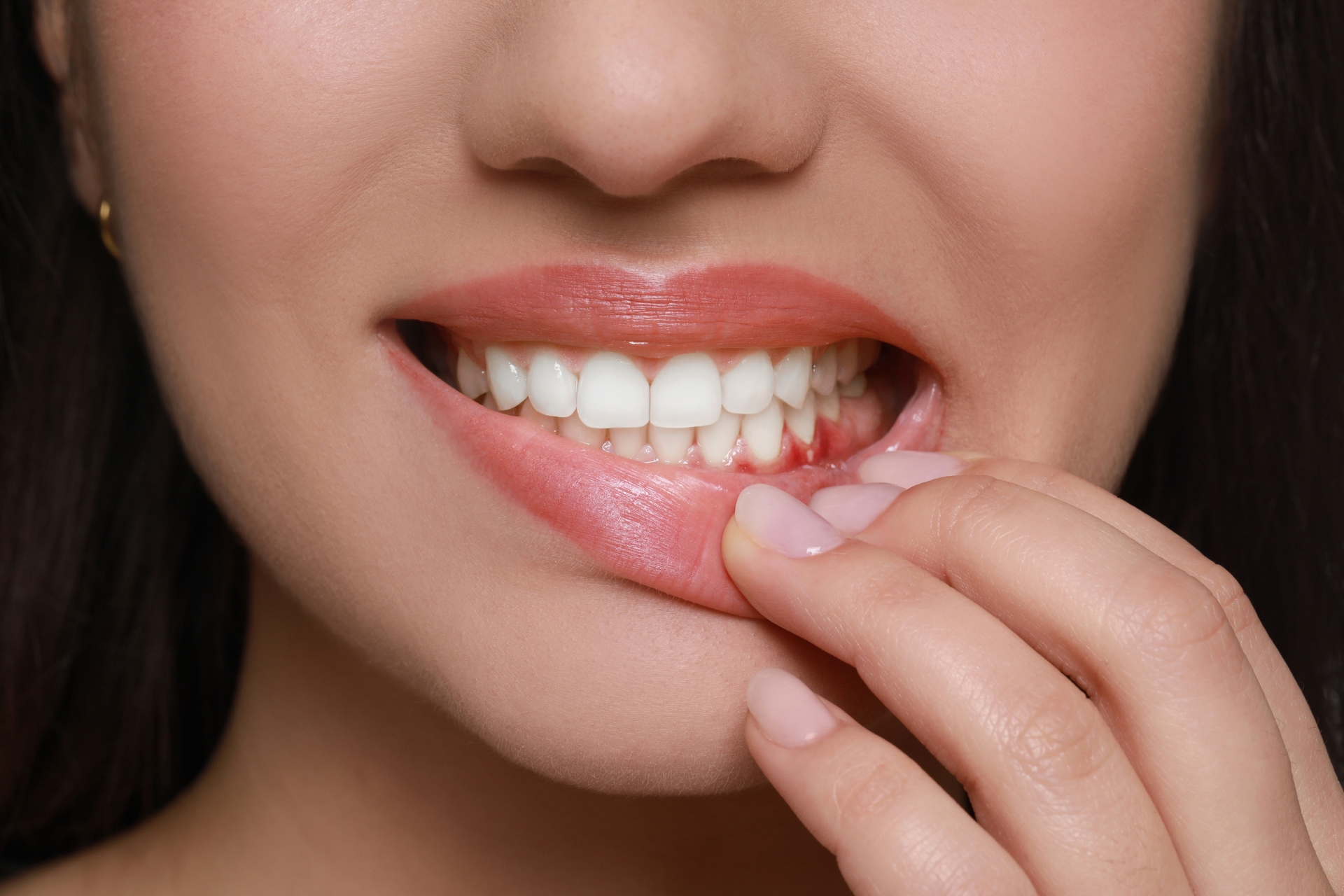
Periodontal disease occurs when inflammation and infection affect the tissues that support the teeth. It often begins with gingivitis, an early form of gum disease that may cause redness, swelling, and bleeding.
If you don’t treat gingivitis, it can progress to periodontitis. At this stage, inflammation can affect the deeper supporting tissues and bone, potentially leading to gum recession, tooth mobility, and eventual tooth loss.
What Causes Gum Disease?
Gum disease can develop when plaque accumulates around the teeth and along the gumline. Inadequate plaque removal through daily brushing and flossing can allow bacteria to remain in these areas and contribute to gum inflammation.
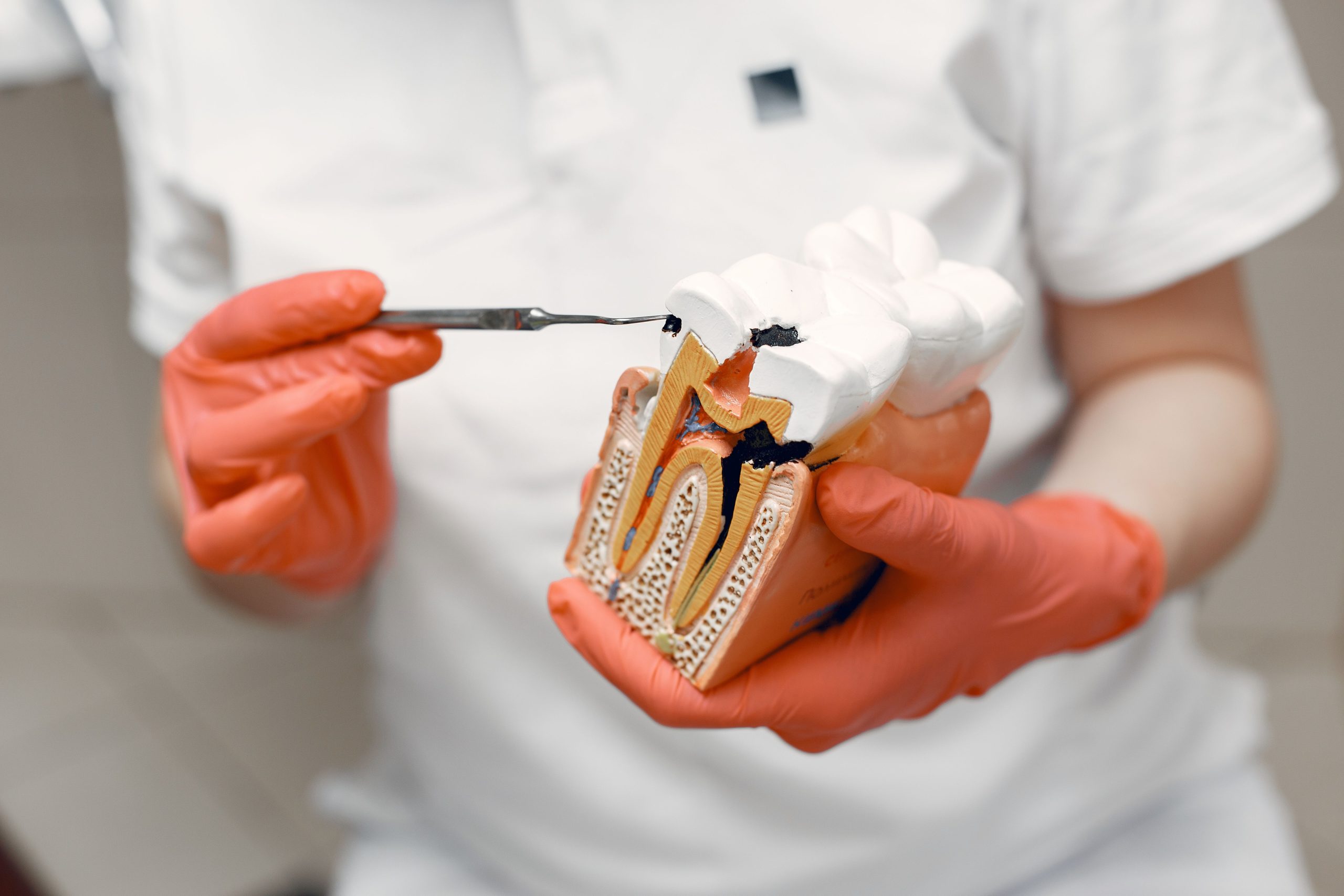
As plaque remains on the teeth, it can mineralize and form tartar, which routine at-home brushing cannot completely remove. Smoking, certain medical conditions, medications, and genetic factors may also influence gum health and contribute to the development or progression of periodontal disease.
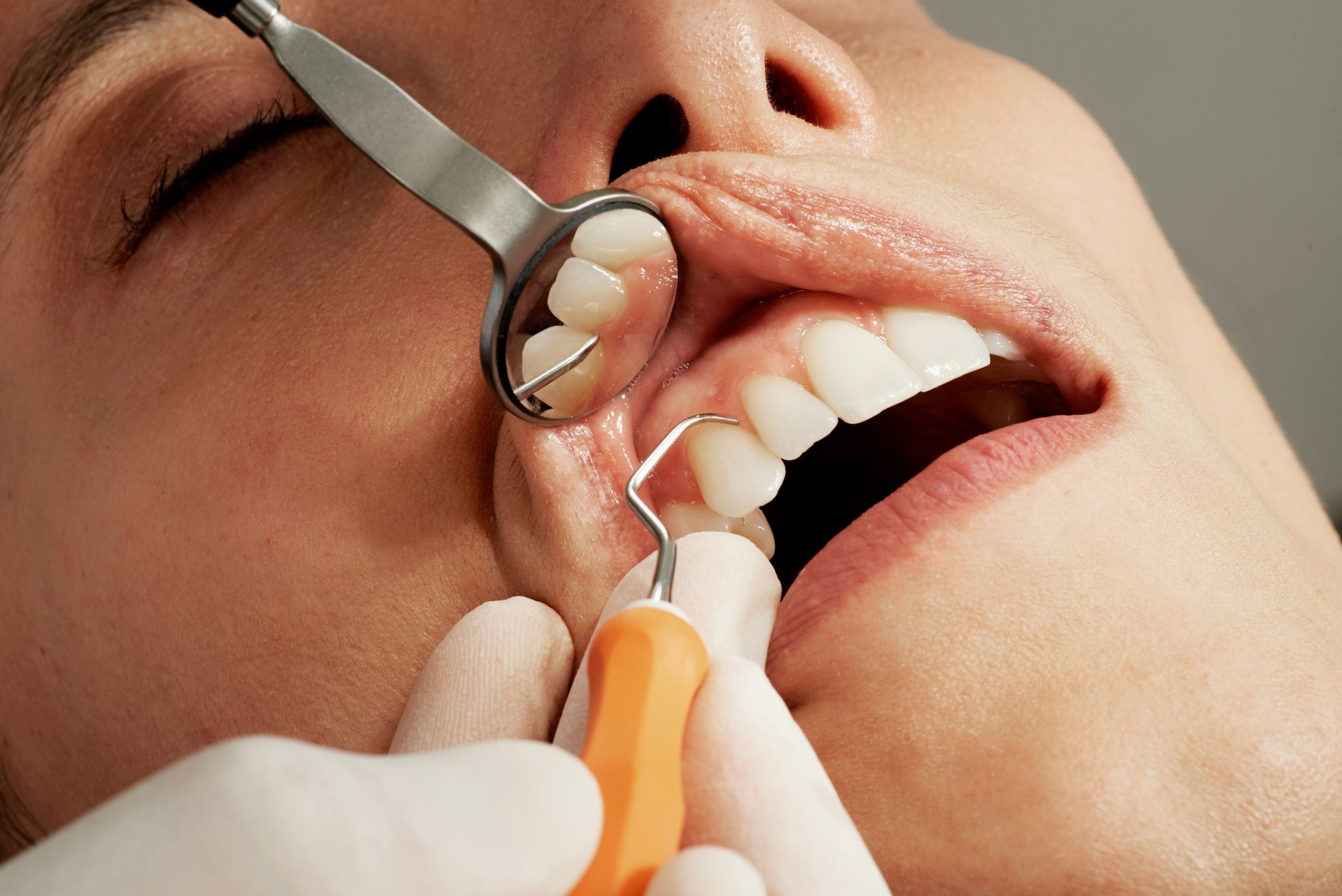
At Weston Tulip Dental, we assess your gum health for signs of inflammation, infection, recession, and other periodontal concerns. If we detect gum disease, our team will explain the findings and recommend appropriate treatment and follow-up care based on your individual needs.
Signs of Gum Disease:
Gum disease often doesn’t cause noticeable symptoms early on. • Red or swollen gums • Bleeding when brushing or flossing • Tender or sensitive gums • Persistent bad breath • Gums that pull away from the teeth • Receding gums • Loose or shifting teeth • Changes in the way your teeth fit together • Pus or discharge around the gums
Gingivitis is the early stage of gum disease and mainly involves gum inflammation. Without proper treatment, it may develop into periodontitis, which can affect the tissues and bone that support the teeth.
Can Gum Disease Improve Without Treatment?
Gum disease should not be ignored. Early gum inflammation may improve with proper oral hygiene and professional care, while more advanced disease generally requires professional treatment and ongoing maintenance.
Does gum disease cause pain?
Gum disease does not always cause pain, especially in its early stages. Bleeding, swelling, redness, or other gum changes can be warning signs even when there is little or no discomfort.
Is bleeding while brushing normal?
Regular bleeding while brushing or flossing can signal gum inflammation and isn't normal. If your gums frequently bleed, see a dentist.
How often should I have my gums checked?
At Weston Tulip Dental, the recommended dental visit schedule depends on your oral health, individual risk factors, and history of periodontal problems. Patients with existing gum concerns may benefit from more frequent dental examinations and monitoring.
Can gum disease cause tooth loss?
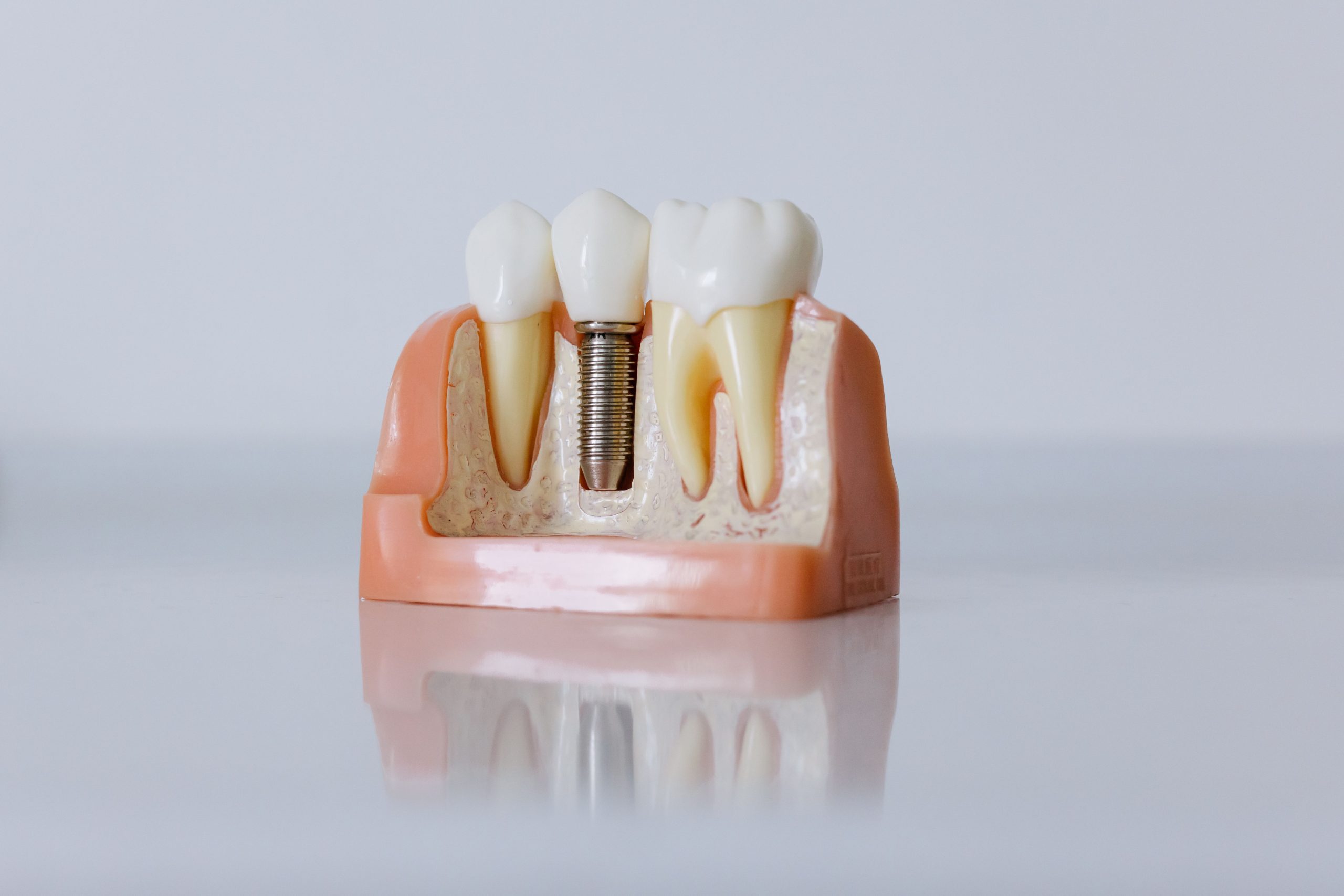
Advanced gum disease can damage the tissues and bone supporting the teeth and may eventually contribute to tooth loss. Early diagnosis and appropriate treatment can help protect the supporting structures.