M Missing teeth can affect more than your smile’s appearance. They can make chewing harder, change how neighbouring teeth come together, and allow surrounding teeth to shift over time. A dental bridge is a fixed restorative option that replaces one or more missing teeth while restoring the function and appearance of the area affected by tooth loss.
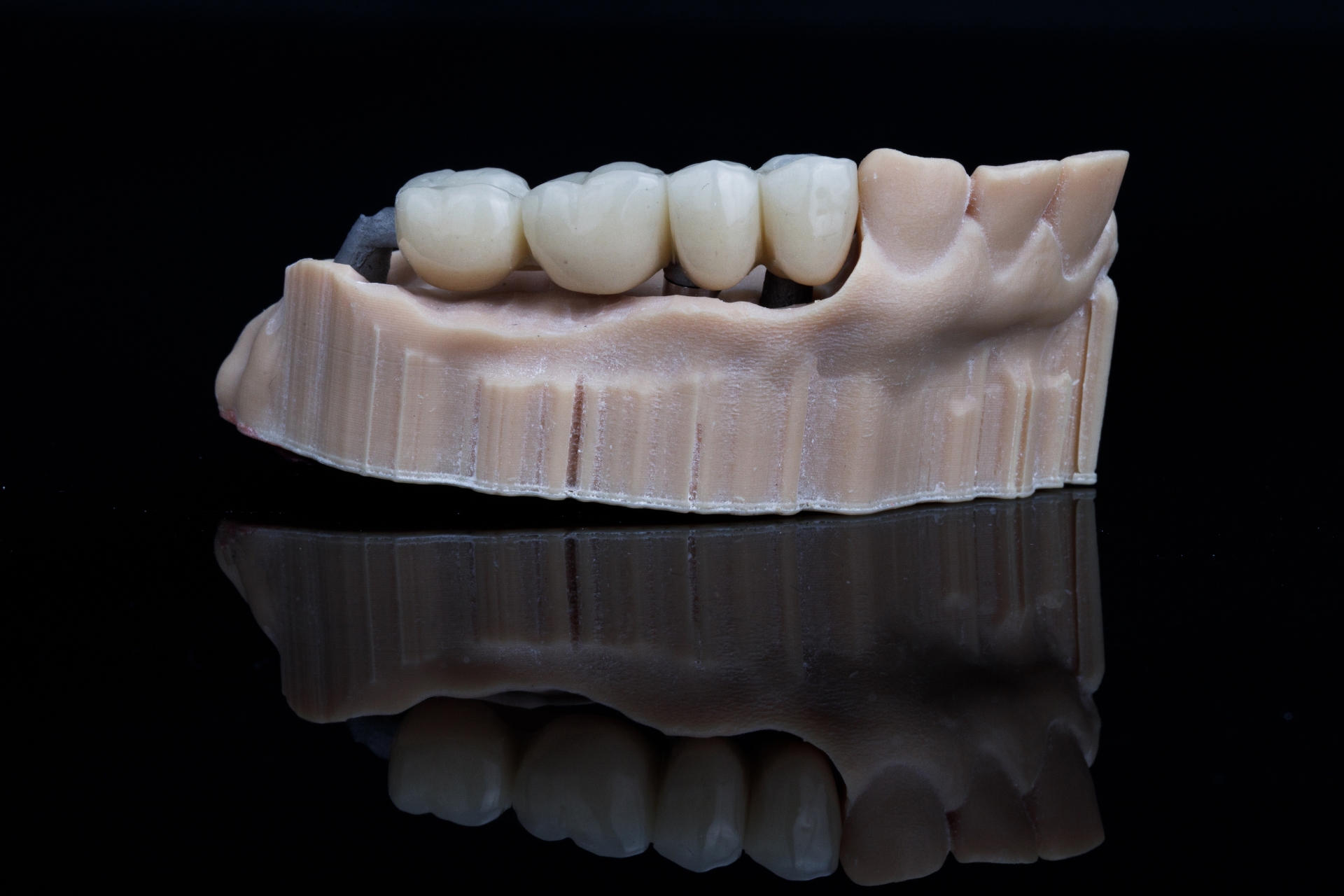
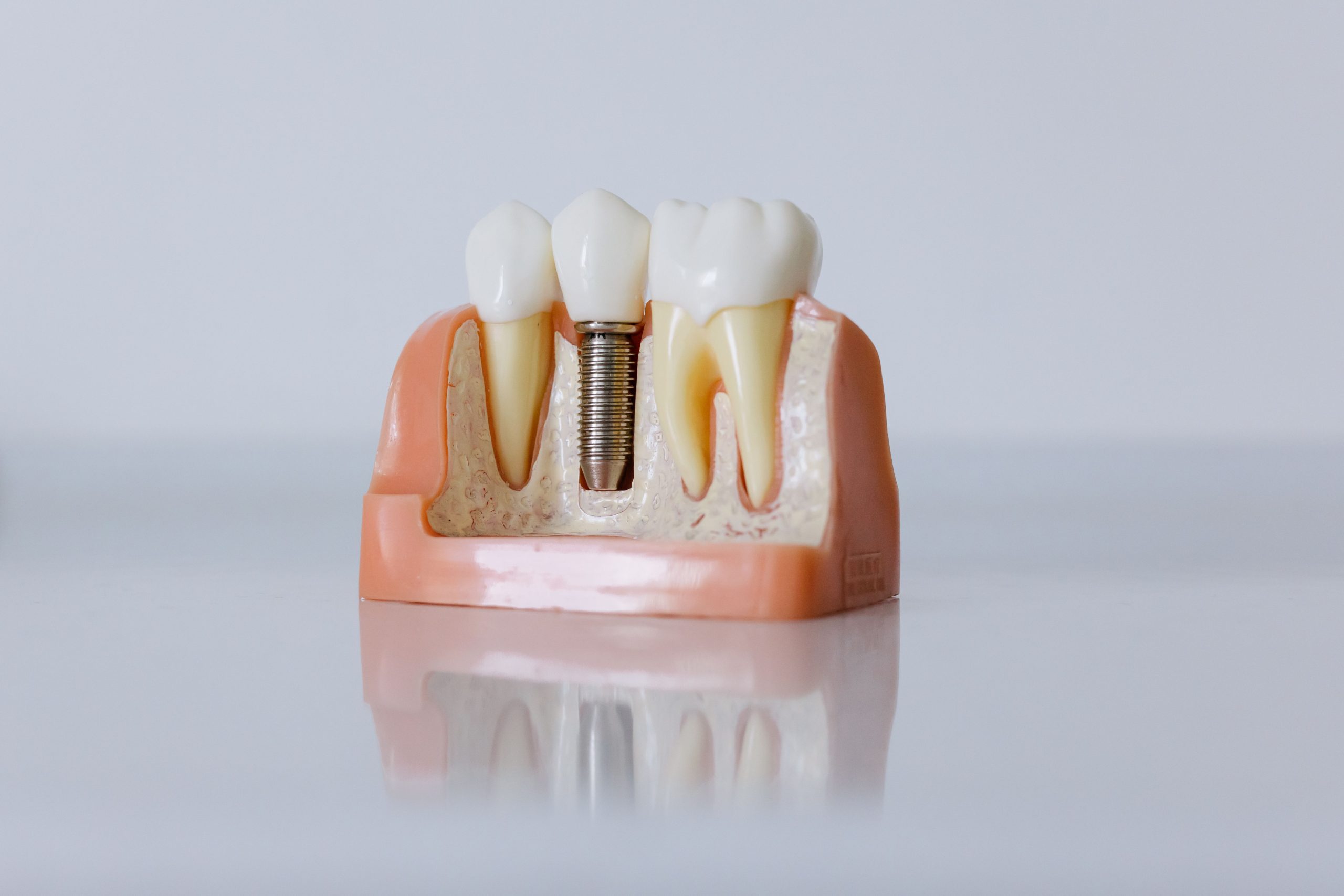
A dental bridge incorporates one or more artificial teeth, called pontics, that fill the space left by missing teeth. Depending on the bridge type and the patient’s needs, the restoration may be supported by crowns placed over neighbouring natural teeth or secured to dental implants.
Unlike removable dentures, a fixed dental bridge is designed to remain in place and function as part of the natural dental arch. Properly planned bridge treatment can help restore chewing function, support dental alignment, and improve the overall appearance of the smile.
Types of Dental Bridges
Dental bridges are available in different designs based on the location of the missing teeth and the structures available to support the restoration. Traditional bridges are supported by neighbouring natural teeth, while implant-supported bridges are secured to dental implants. The appropriate bridge design depends on the number and position of missing teeth, the condition of the supporting teeth and gums, and the patient’s overall oral health.
At Weston Tulip Dental, we evaluate the missing teeth, adjacent teeth, periodontal tissues, occlusion, and overall oral health to determine the appropriate bridge design and support. We tailor each treatment plan to the patient’s specific clinical and restorative needs.
Dental Bridges may help
A dental bridge can help restore both the function and appearance of your smile. Depending on your situation, a bridge may: • Replace missing teeth with a fixed restoration • Make chewing more comfortable • Improve the appearance of a gap • Support a more natural bite • Help maintain the position of surrounding teeth • Restore confidence when smiling
Yes. Bridges can replace missing front teeth when the supporting conditions are appropriate. The appearance, shape, and colour of the restoration can be planned to complement the surrounding teeth.
Can I eat normally with a dental bridge?
A properly fitted bridge is designed to restore chewing function.
You may need a short adjustment period after placement, and your dentist may recommend avoiding particularly hard or sticky foods depending on your restoration.
How do I clean underneath a dental bridge?
Cleaning underneath the artificial tooth is an important part of maintaining the restoration. Your dental team can show you the appropriate technique and recommend suitable cleaning tools.
Is a dental bridge permanent?
A dental bridge is a permanently fixed dental restoration. It is designed to stay securely in place. Patients do not normally remove it. However, like other dental restorations, it may eventually need repair or replacement, depending on its condition and the health of the supporting structures.
Is a Dental Bridge Better Than Removable Dentures?
A dental bridge is fixed in place, while removable dentures can be taken out. The appropriate option depends on the number and location of missing teeth, oral health, and individual treatment needs.
What Are the Benefits of a Dental Bridge?
A dental bridge can help restore chewing function, fill gaps left by missing teeth, and enhance the appearance of the smile. It may also help maintain the position of neighbouring teeth.