T Two temporomandibular joints (TMJs) support the jaw and allow movement during speaking, chewing, and swallowing. allow jaw movement during essential functions such as speaking, chewing, and swallowing. Problems affecting these joints or the surrounding muscles may cause symptoms such as jaw pain, stiffness, clicking or popping sensations, along with restricted jaw movement.
Temporomandibular disorder (TMD), also called TMJ disorder, is a group of conditions that affect the temporomandibular joints, jaw muscles, or surrounding structures.
TMJ disorders may have several contributing factors, including teeth grinding or clenching, jaw injuries, changes in the bite, joint inflammation, and stress-related muscle tension. In some cases, several factors may contribute to symptom development or persistence.
Why is TMJ Care Important?
Proper TMJ care can help address jaw discomfort and functional problems that may affect everyday activities such as chewing, speaking, and opening the mouth. Identifying contributing factors and addressing symptoms appropriately may help support comfortable jaw function and prevent symptoms from becoming more persistent. Regular dental evaluations can also help monitor changes in jaw function and identify concerns that may require further assessment.
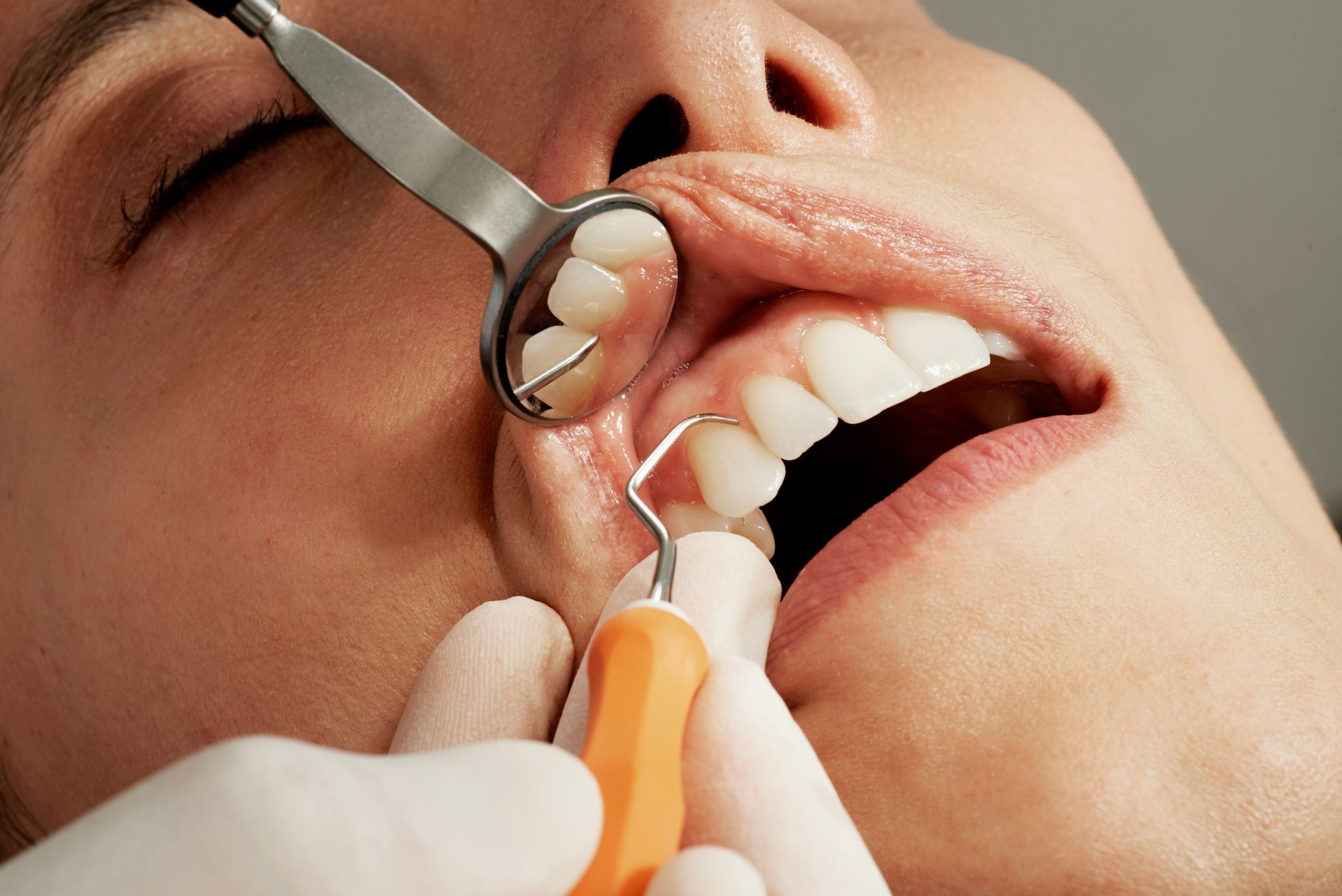
At Weston Tulip Dental, we evaluate jaw discomfort and changes in jaw movement that may indicate TMJ disorders. After assessing your symptoms and oral health, our team can discuss suitable treatment options and recommend the next step in your care.
Common Signs of TMJ Problems
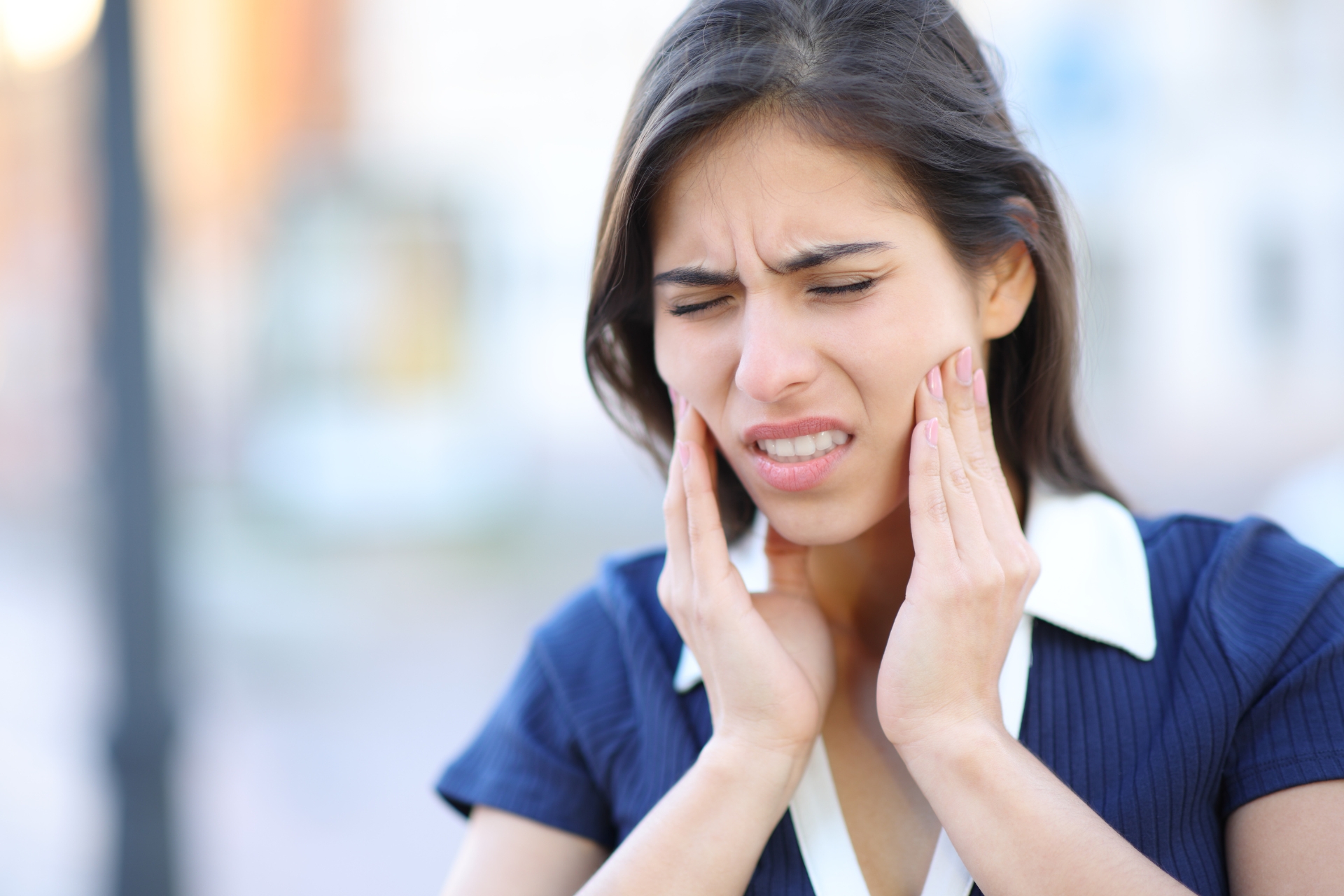
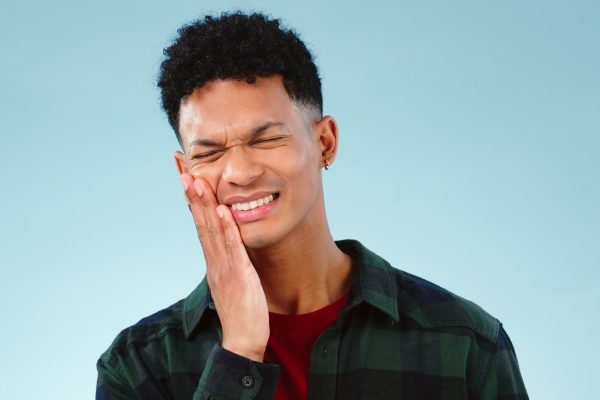
The symptoms associated with TMJ disorders can differ from one person to another. • Jaw pain or tenderness • Popping or clicking sensations during jaw opening and closing • Difficulty or discomfort when chewing • Limited jaw movement • Jaw stiffness • Headaches or facial pain • Ear-area discomfort without an obvious ear problem • Pain when opening the mouth widely • Jaw locking or difficulty opening or closing the mouth
TMJ stands for temporomandibular joint. You have two TMJs, one on each side of your face, connecting the lower jaw to the skull.
Is jaw clicking always a sign of TMJ disorder?
Not necessarily. Jaw clicking can occur without significant pain or other problems. However, a dental professional should evaluate clicking that comes with pain, locking, or limited movement.
Can teeth grinding cause TMJ pain?
Teeth grinding and clenching can add pressure to the jaw muscles and joints and may contribute to TMJ symptoms.
Can a night guard help with TMJ symptoms?
A custom night guard may help when teeth grinding or clenching contributes to jaw discomfort. Your dentist can determine whether a night guard is appropriate for you.
When should I see a dentist about jaw pain?
If jaw pain, stiffness, clicking, or difficulty opening your mouth persists, returns frequently, or affects eating and daily activities, schedule a dental evaluation.
Can TMJ problems cause headaches?
Jaw muscle tension and TMJ problems may be associated with headaches or pain around the face and temples. A dental evaluation can help determine whether your symptoms may be related to your jaw.