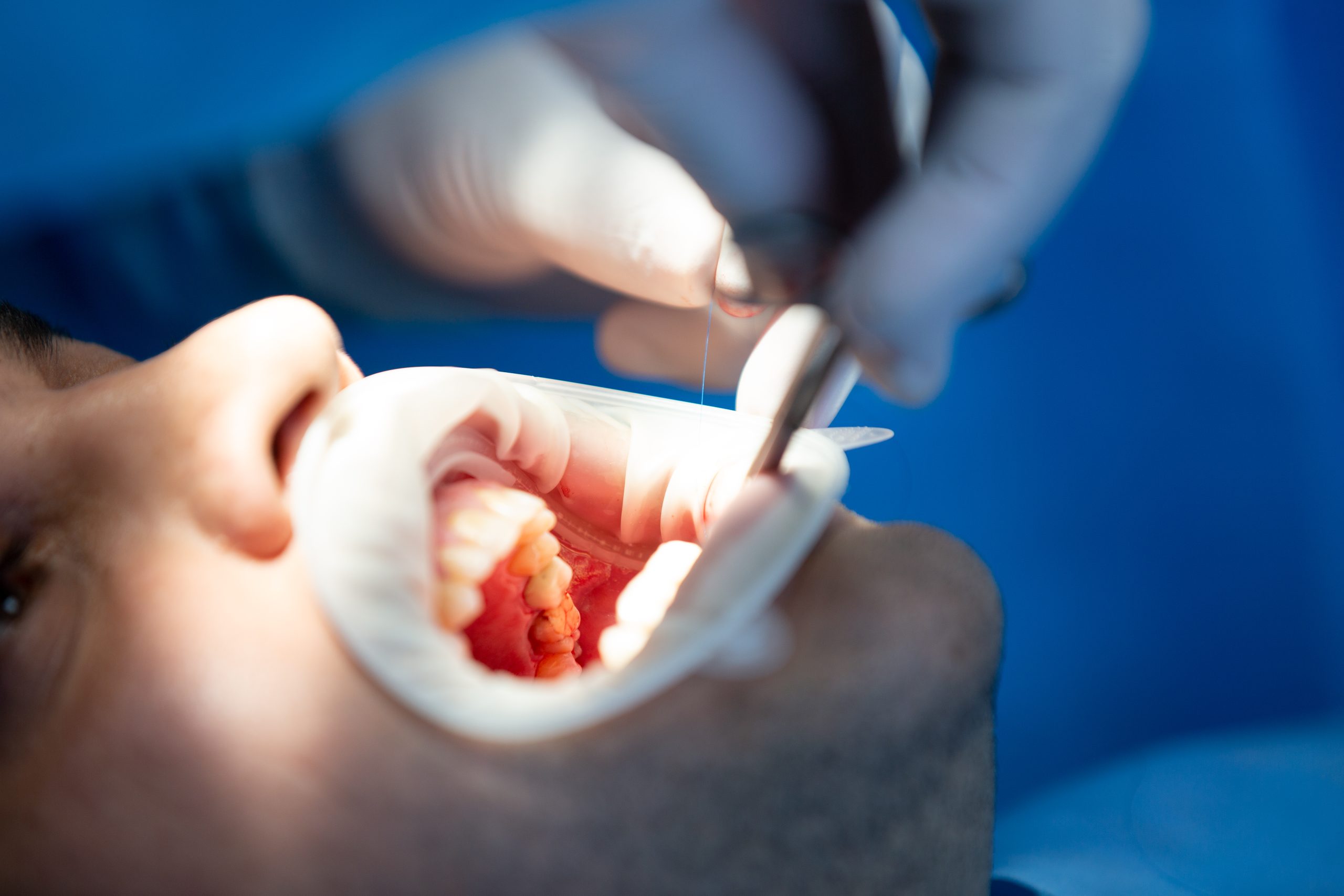
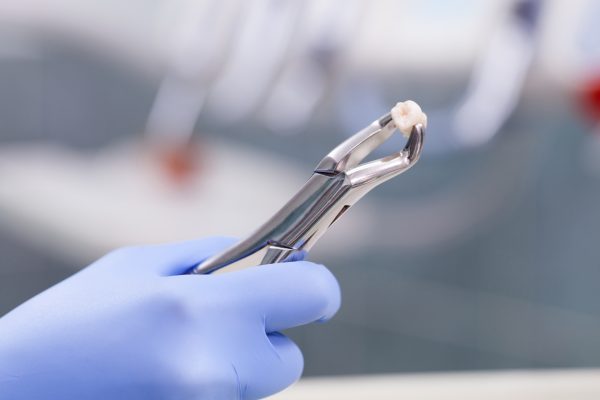
T Tooth extraction is a dental procedure performed to remove a tooth that cannot be adequately restored or maintained. Although preserving the natural tooth is preferred whenever possible, extraction may be indicated for teeth affected by extensive decay, severe damage, infection, or other conditions that compromise their long-term health.

The procedure involves extracting the tooth from its socket within the jawbone. Depending on the tooth’s condition, position, root anatomy, and surrounding bone, extraction may be performed as a simple procedure or require a surgical approach.

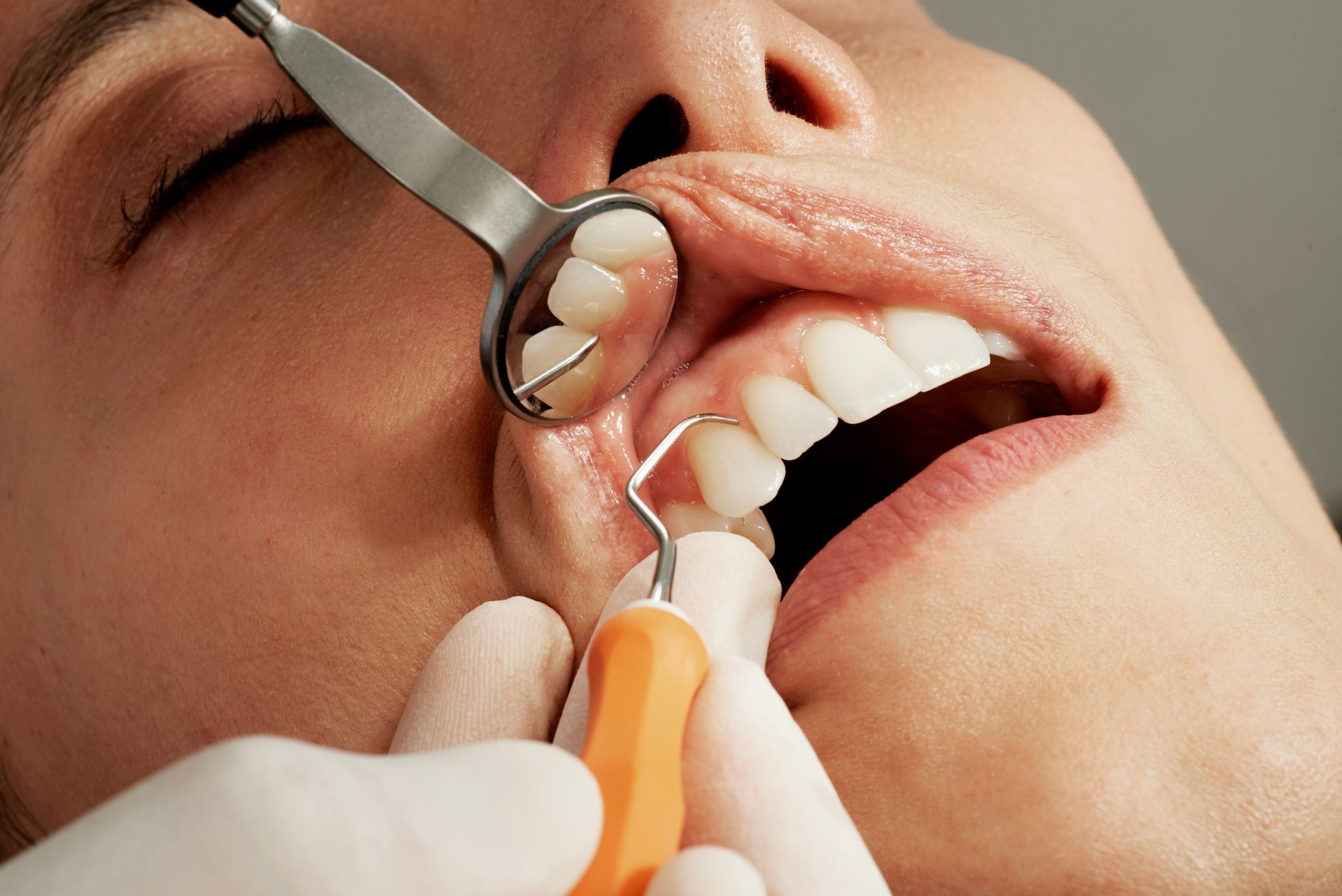
Before recommending extraction, the dentist evaluates the affected tooth and surrounding tissues and may use dental X-rays to assess the tooth’s roots, position, and supporting bone. This evaluation helps determine the appropriate extraction approach and identify any factors that may affect the planned treatment.


What are the Alternatives to Tooth Extraction?

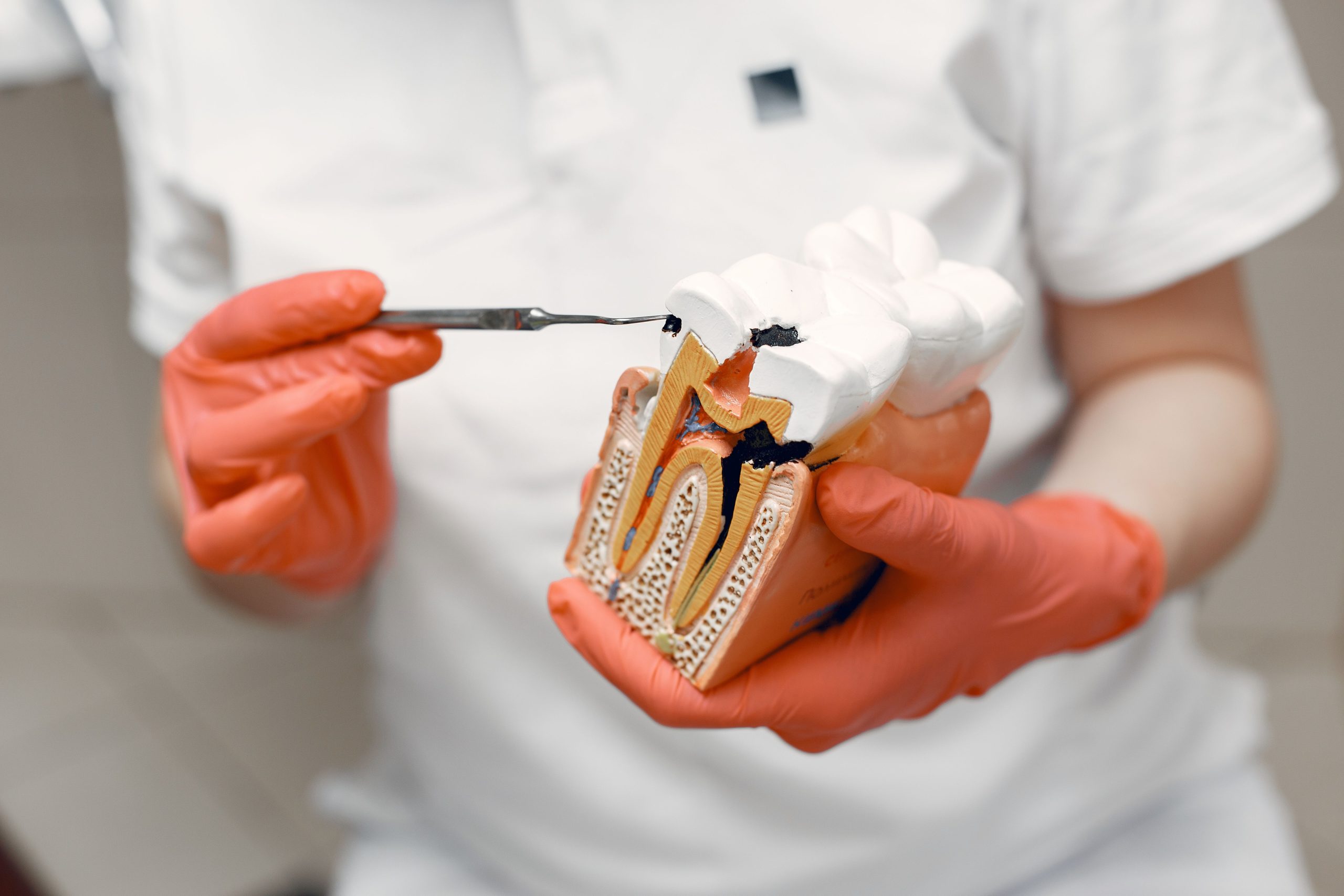
Tooth extraction is not always the only treatment option. Depending on the tooth’s condition, treatments such as fillings, dental crowns, or root canal therapy may help preserve the natural tooth. Your dentist will assess the extent of damage, infection, remaining tooth structure, and overall oral health to determine whether the tooth can be restored or whether extraction is necessary.

At Weston Tulip Dental, we carefully evaluate the affected tooth, its root anatomy, surrounding tissues, and supporting bone to determine the appropriate extraction approach. We explain the procedure and provide personalized guidance based on your individual dental needs.
Untitled design-35

Common Reasons for Tooth Extraction

• Severe tooth decay
• A tooth that is badly cracked or damaged
• Advanced infection
• Significant bone or gum problems affecting the tooth
• A tooth that cannot be restored with a filling or crown
• Crowding that affects the position of other teeth
• Certain orthodontic treatment plans
• A problematic wisdom tooth

FAQ’s About Tooth Extraction

  • Can I Save a Tooth Instead of Having It Extracted?

    In some cases, treatments such as a filling, crown, or root canal therapy may preserve the tooth. At Weston Tulip Dental, our dentist will evaluate the tooth and discuss suitable treatment options before determining whether extraction is necessary.
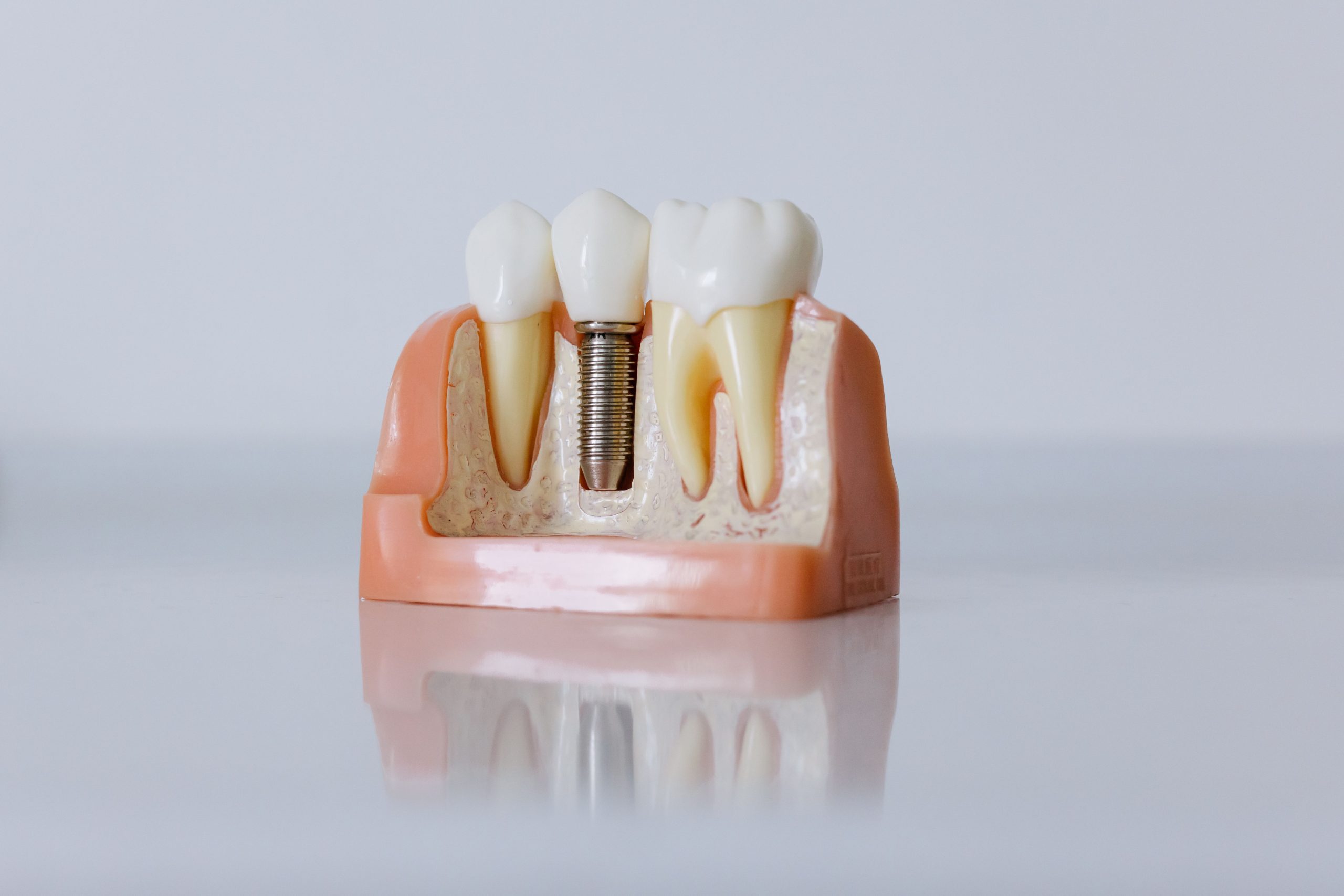
  • Should I replace a tooth after extraction?

    Replacing a missing tooth isn't always necessary, but it may help restore function and prevent unwanted changes to the surrounding teeth. Your dentist can discuss whether replacement is appropriate for you.

  • What should I do if I have severe pain or swelling after an extraction?

    Contact Weston Tulip Dental as soon as possible so we can assess your symptoms. If severe facial swelling interferes with breathing or swallowing, seek immediate emergency medical attention.

  • Can I Save a Tooth Instead of Having It Extracted?

    In some cases, treatments such as a filling, crown, or root canal therapy may preserve the tooth. At Weston Tulip Dental, our dentist will evaluate the tooth and discuss suitable treatment options before determining whether extraction is necessary.

  • What should I do if I have severe pain or swelling after an extraction?

    Contact Weston Tulip Dental as soon as possible so we can assess your symptoms. If severe facial swelling interferes with breathing or swallowing, seek immediate emergency medical attention.

  • Can I visit the dentist even if I have no dental problems?

    Yes. Regular dental examinations are an important part of preventive care and can help identify changes in your oral health before they cause noticeable symptoms.

Better Dental Care, One Visit Away!

Book appointment

+(1) 416 244 0402