R Routine professional cleanings can help preserve the health and cleanliness of your teeth and gums. Healthy teeth and gums help keep your smile feeling fresh and comfortable. Even with regular brushing and flossing at home, plaque can build up in areas that are hard to clean thoroughly. If plaque stays on your teeth too long, it may harden into tartar, which a regular toothbrush or floss can’t fully remove. A professional dental cleaning helps remove these deposits and supports better oral hygiene

Dental cleanings can be beneficial whether you maintain a regular dental routine or haven’t had a professional cleaning in some time. Your cleaning may also be recommended as part of a routine dental visit, especially if you have plaque or tartar buildup, a history of gum problems, or difficulty keeping certain areas of your mouth clean.

Keeping your teeth clean is not only about having a brighter-looking smile. Plaque and tartar buildup may eventually contribute to gum inflammation and other oral health problems. Regular professional cleanings, combined with good brushing and flossing habits at home, can help support healthier teeth and gums over time.


How Often Should You Have Your Teeth Cleaned? 

No single cleaning schedule fits every patient. The recommended frequency can depend on your oral health, gum condition, dental history, hygiene habits, and tendency to develop plaque or tartar.

Some patients may benefit from routine cleanings at regular intervals, while others may need more frequent professional care because of specific oral health concerns.

At Weston Tulip Dental, professional dental cleanings support healthy teeth and gums by removing plaque and tartar buildup. They also help clean hard-to-reach areas and provide personalized oral hygiene guidance.
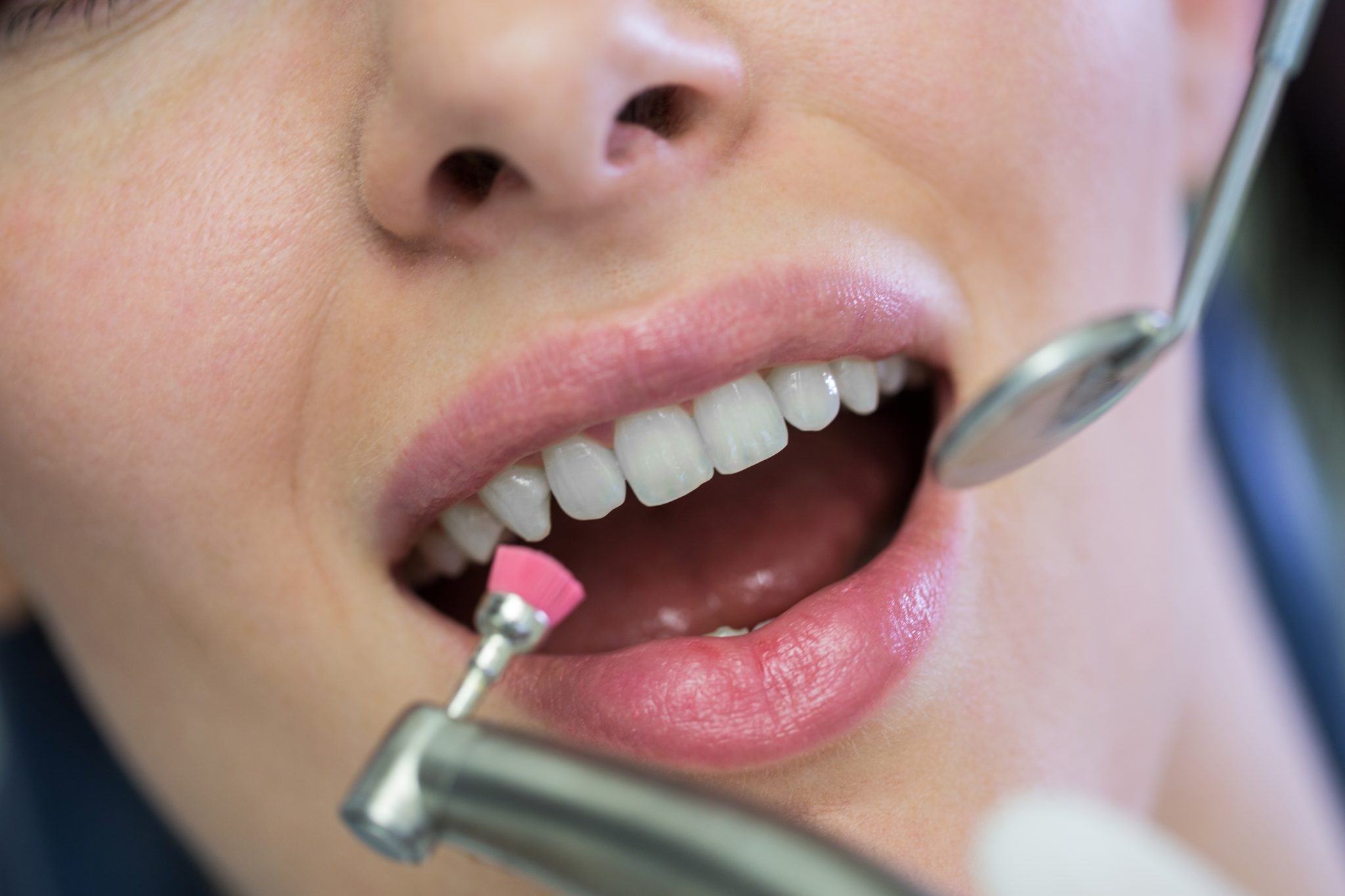
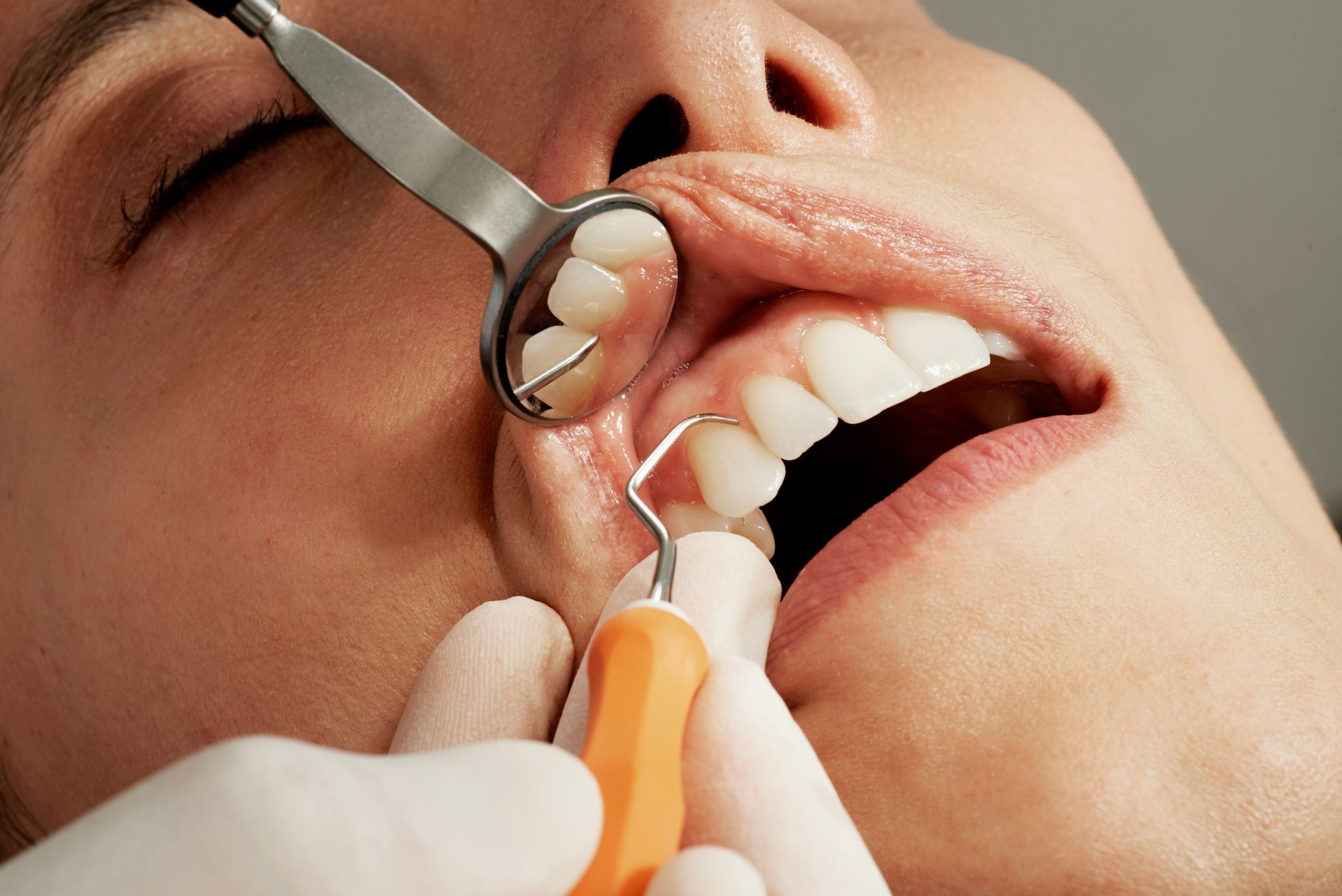
Close-up of female patient receiving a dental treatment at clinic

What Happens During a Dental Cleaning?

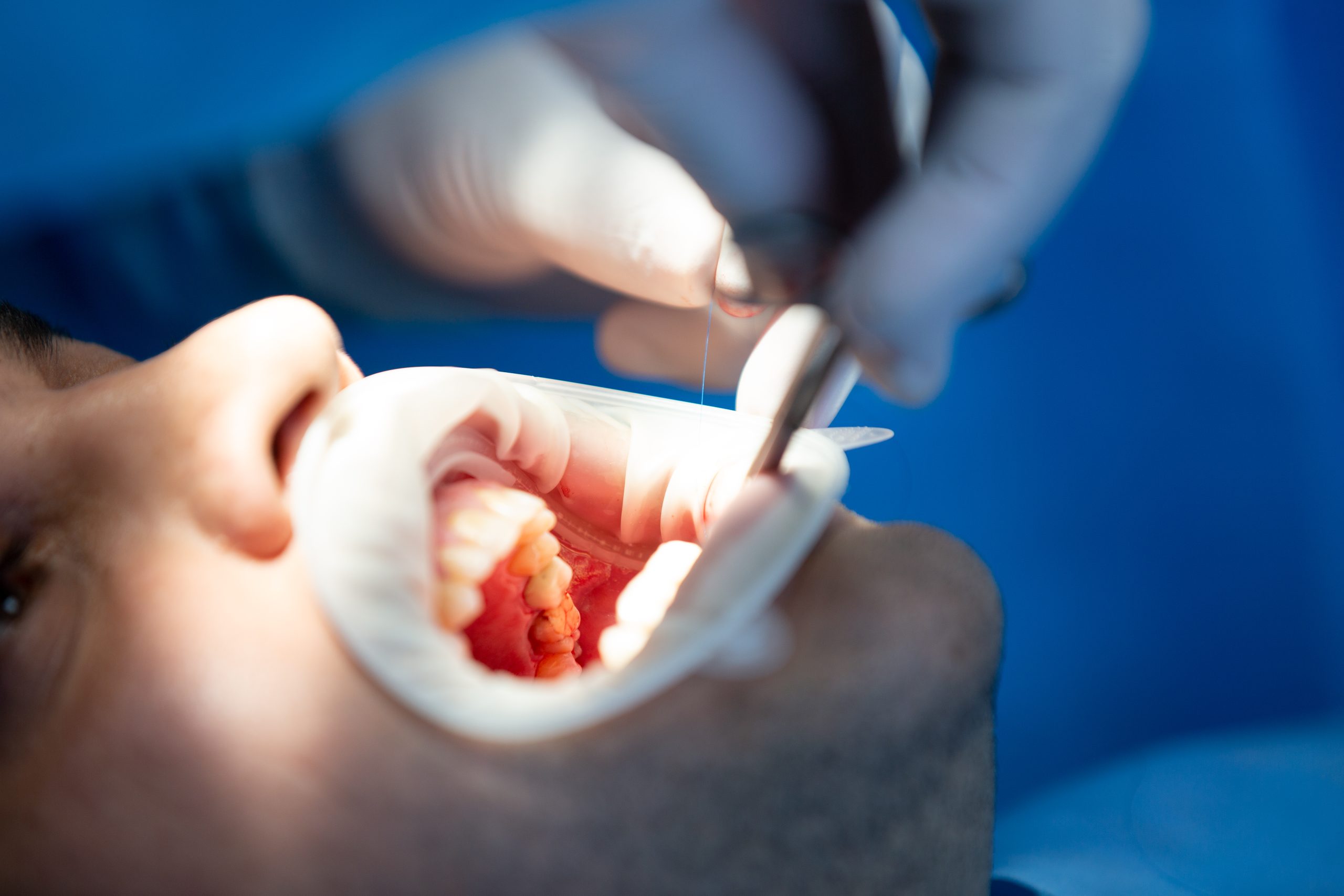
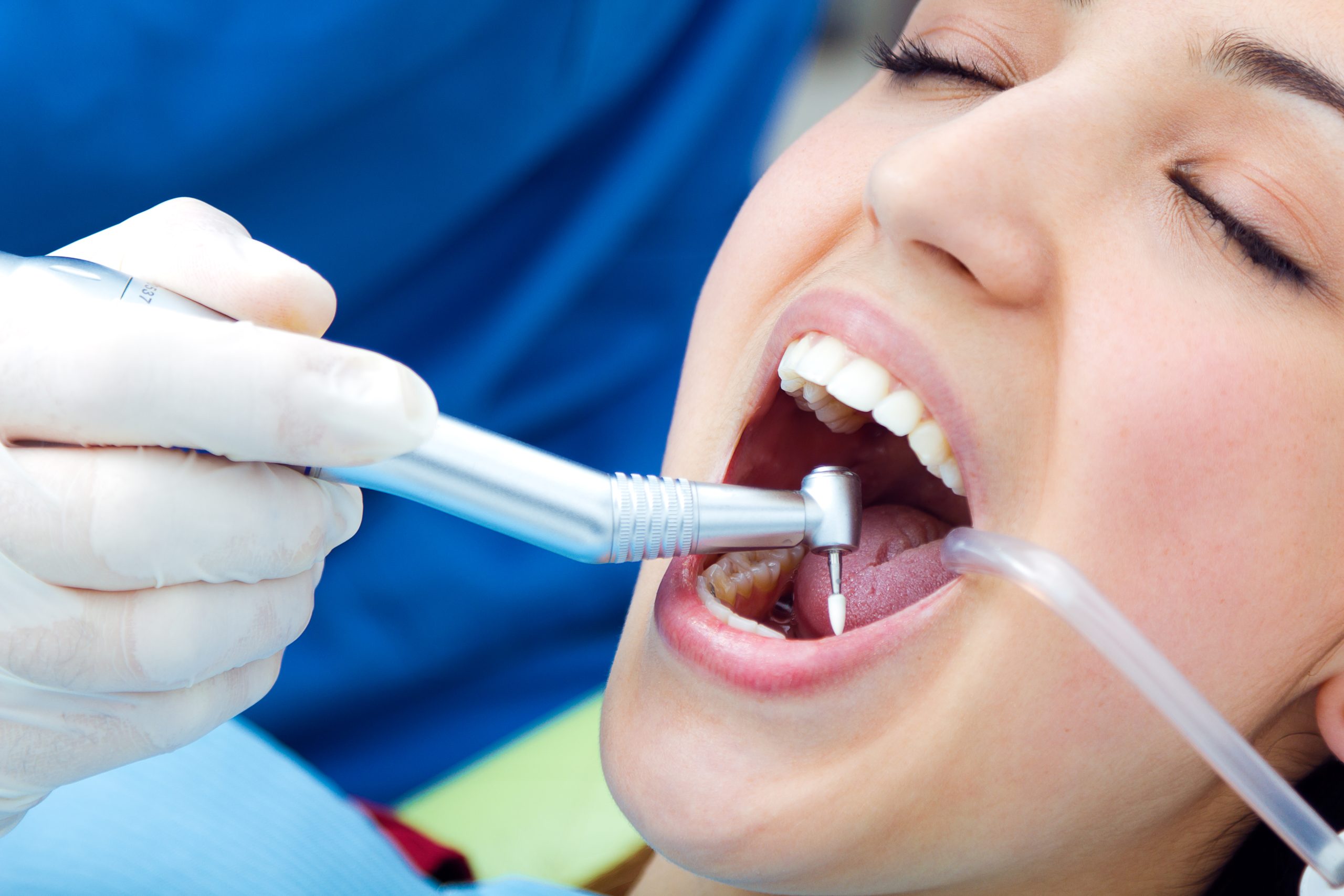
The cleaning process is adapted to your oral health and the amount of buildup present on your teeth. During a typical professional cleaning, your dental professional may:
• Examine your teeth and gums
• Remove plaque and tartar from the teeth
• Clean along and around the gumline
• Polish the teeth to help remove surface stains and buildup
• Floss between the teeth
• Identify areas that may need more attention
• Provide recommendations for brushing, flossing, and daily oral care

FAQ’s About Dental Cleaning

  • Is a dental cleaning painful?

    Most routine dental cleanings are well tolerated. Some patients may experience temporary sensitivity, especially with significant tartar buildup or gum inflammation. Let your dental professional know if you experience discomfort during your appointment.
  • How long does a dental cleaning take?

    Cleaning time can vary depending on your oral health, the amount of plaque and tartar present, and the type of cleaning required.

  • Can I brush and floss instead of getting professional cleanings?

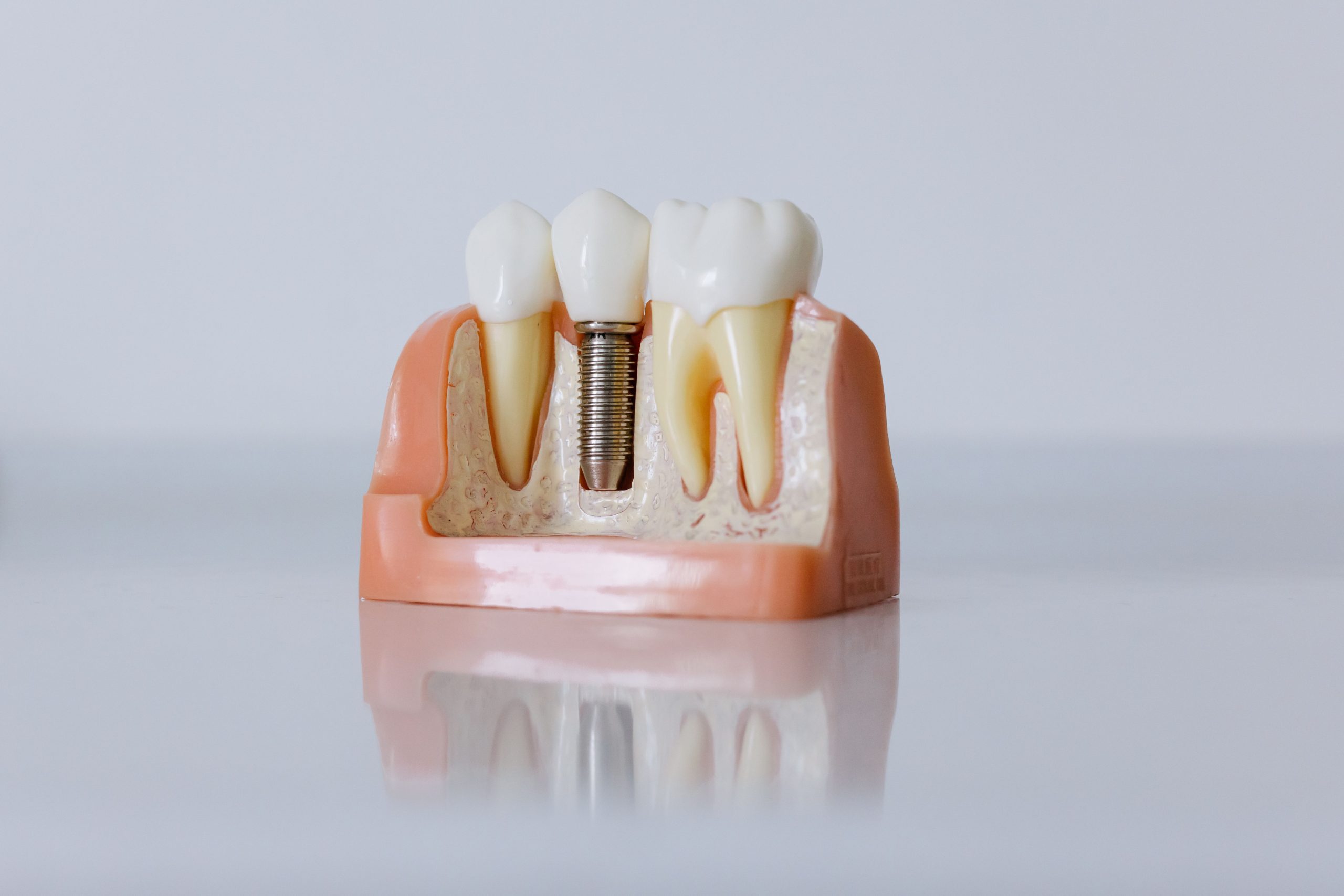
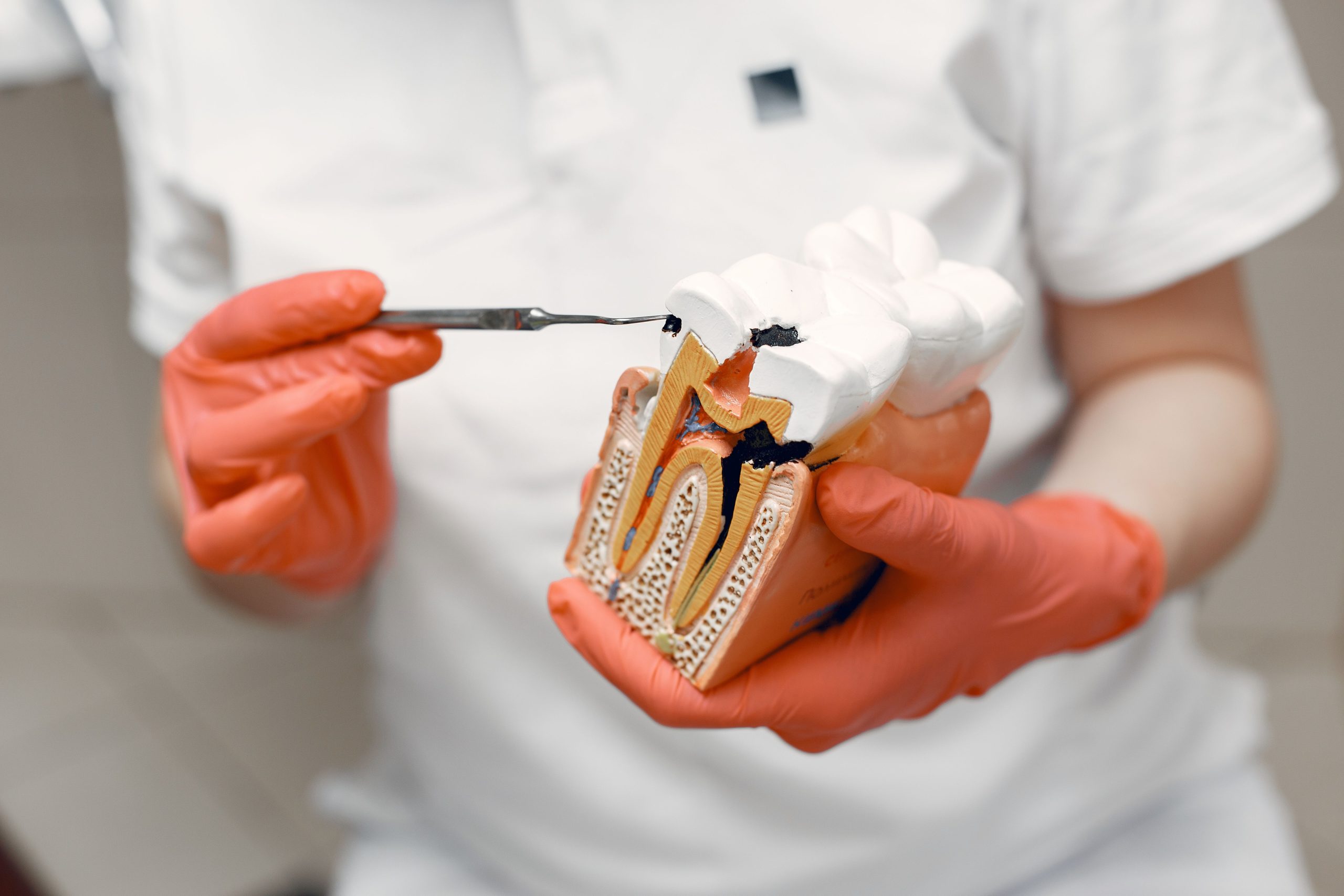
    Brushing your teeth each day and keeping the spaces between them clean helps, but it can't always remove hardened tartar. Professional cleanings help remove deposits that cannot be effectively removed at home.

  • Can I have a dental cleaning if my teeth are sensitive?

    Yes. Sensitive teeth don't usually mean you need to avoid professional dental cleanings. Tell your dental team about any sensitivity before your appointment so they can adjust the cleaning approach and keep you as comfortable as possible. Regular cleanings still help remove plaque and tartar and support healthy teeth and gums.

  • How are routine dental cleanings and deep cleanings different?

    Regular cleaning is generally part of preventive dental care and focuses on plaque, tartar, and buildup around the teeth and gumline. Deep cleaning is a periodontal treatment used when you need cleaning below the gumline because of gum disease or related concerns.

  • Can dental cleanings help prevent gum disease?

    Yes. Regular professional cleanings can reduce plaque and tartar buildup, which are common contributors to gum problems. Along with daily brushing and flossing, routine cleanings can support healthy gums and lower your risk of developing gum disease.

Better Dental Care, One Visit Away!

Book appointment

+(1) 416 244 0402