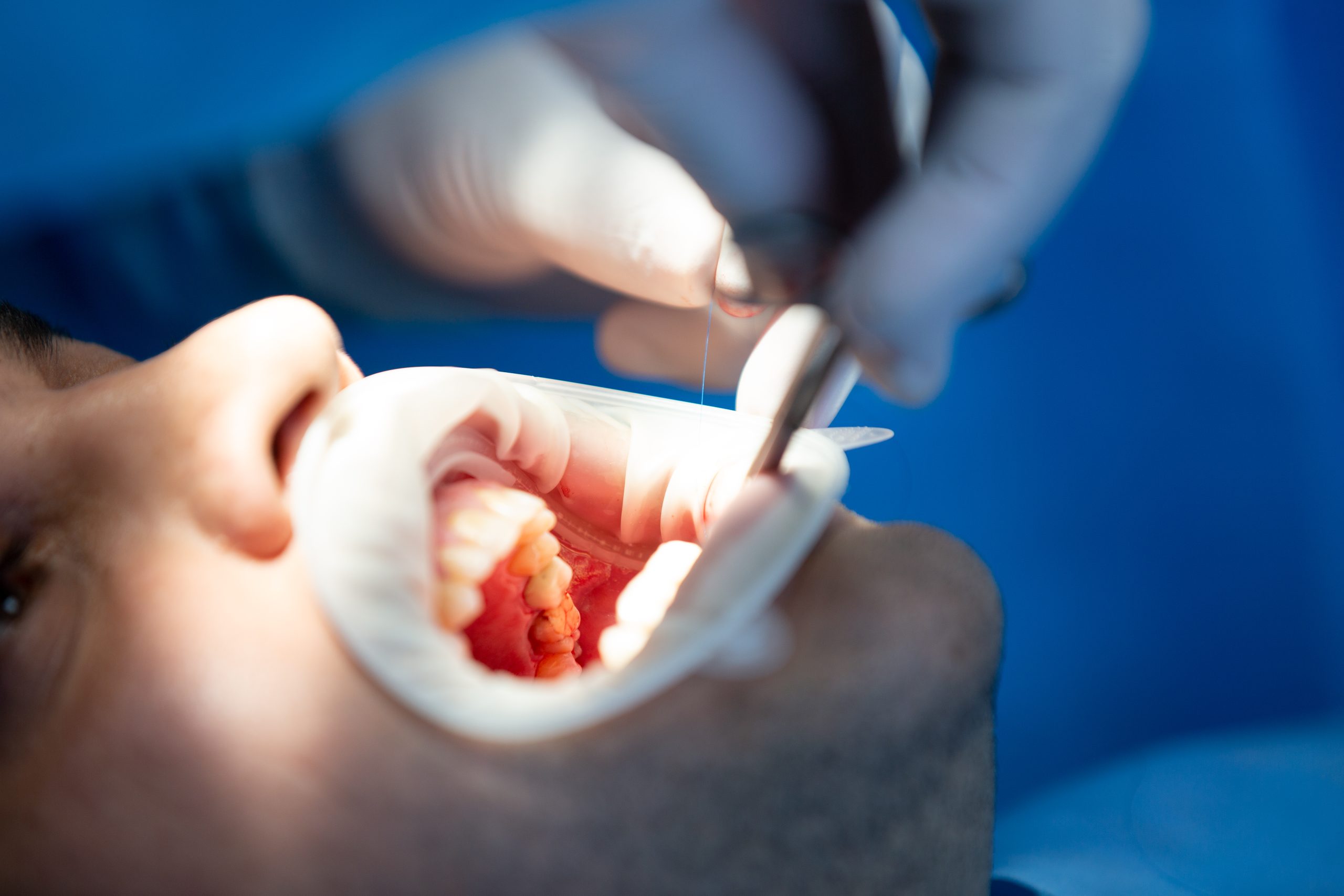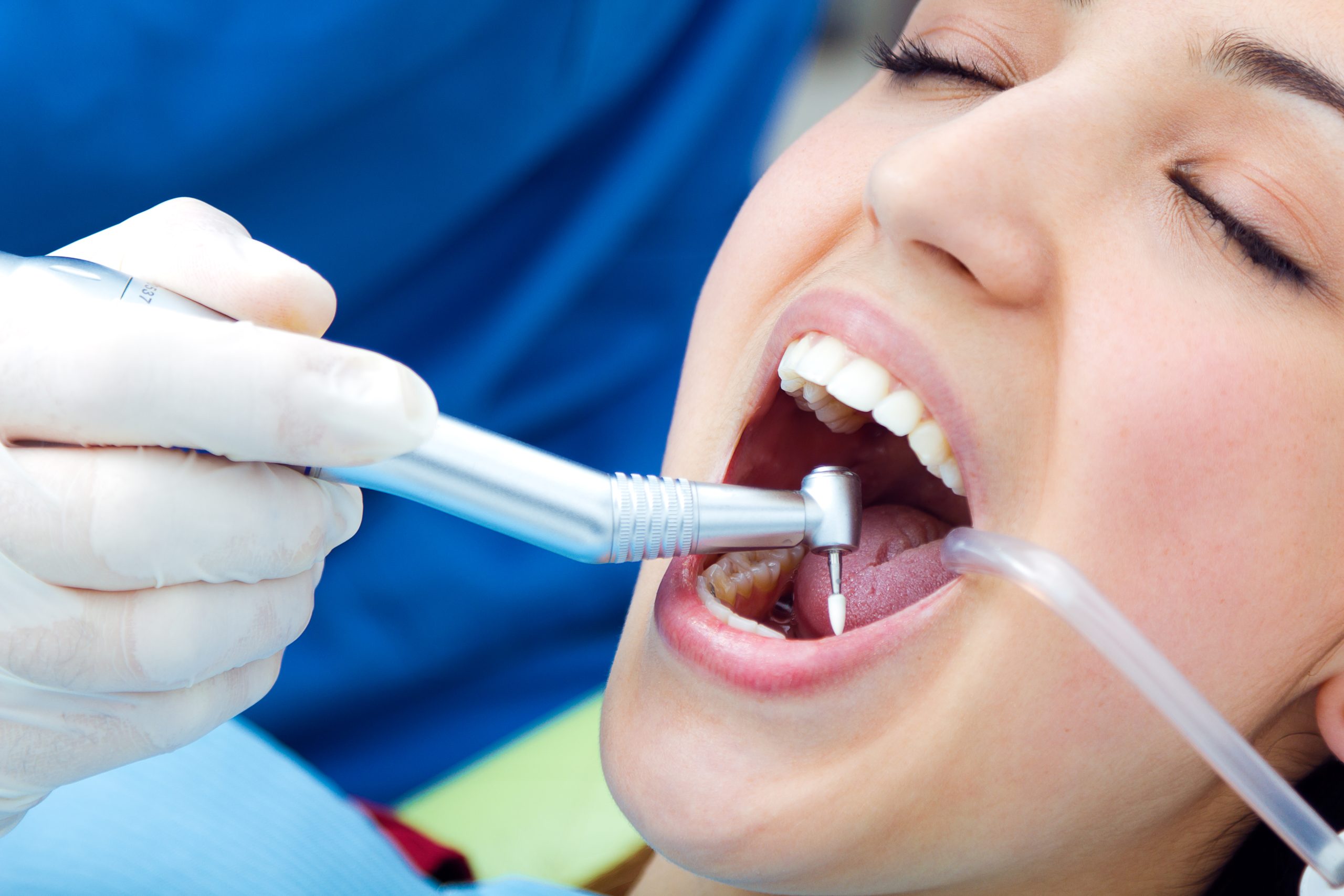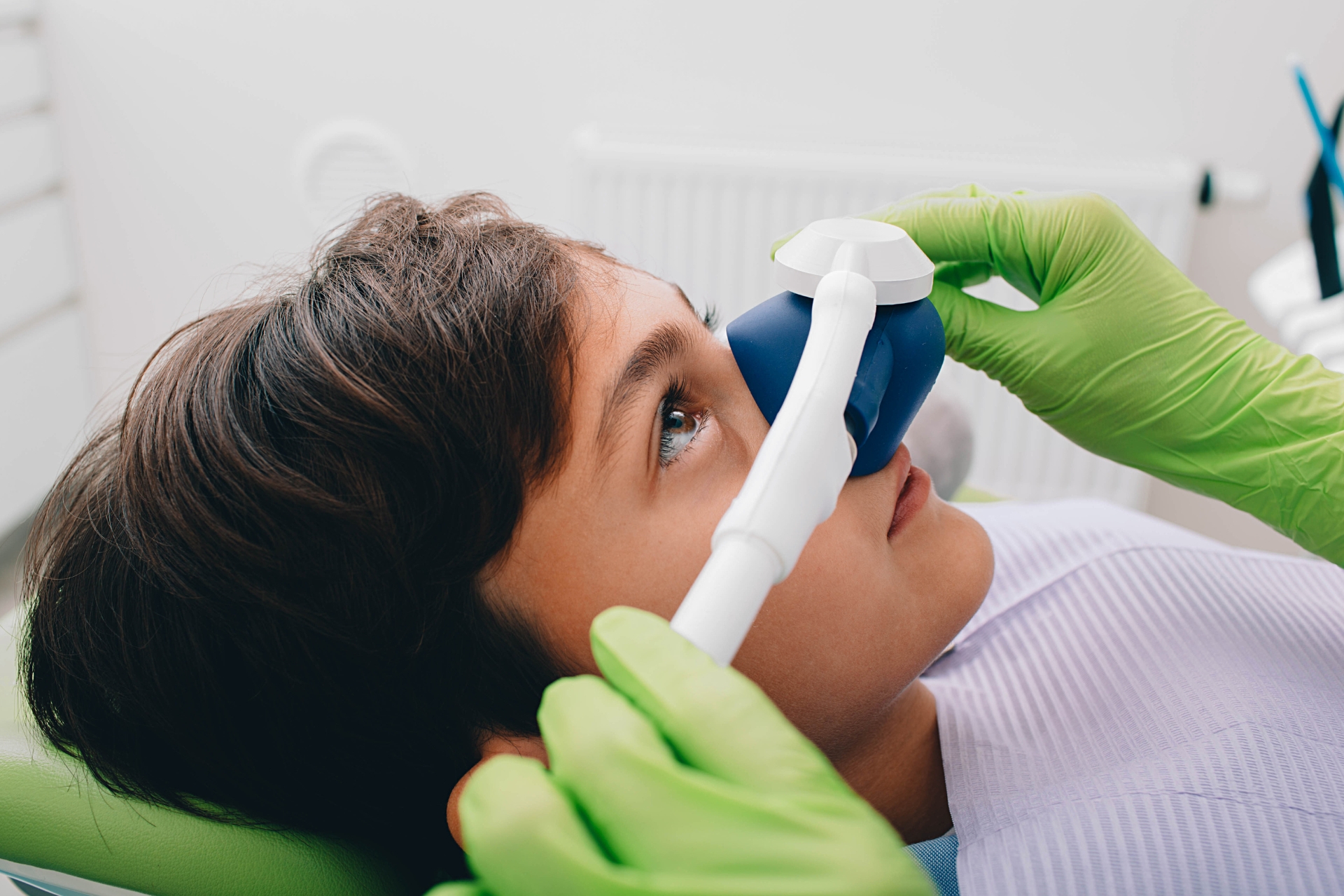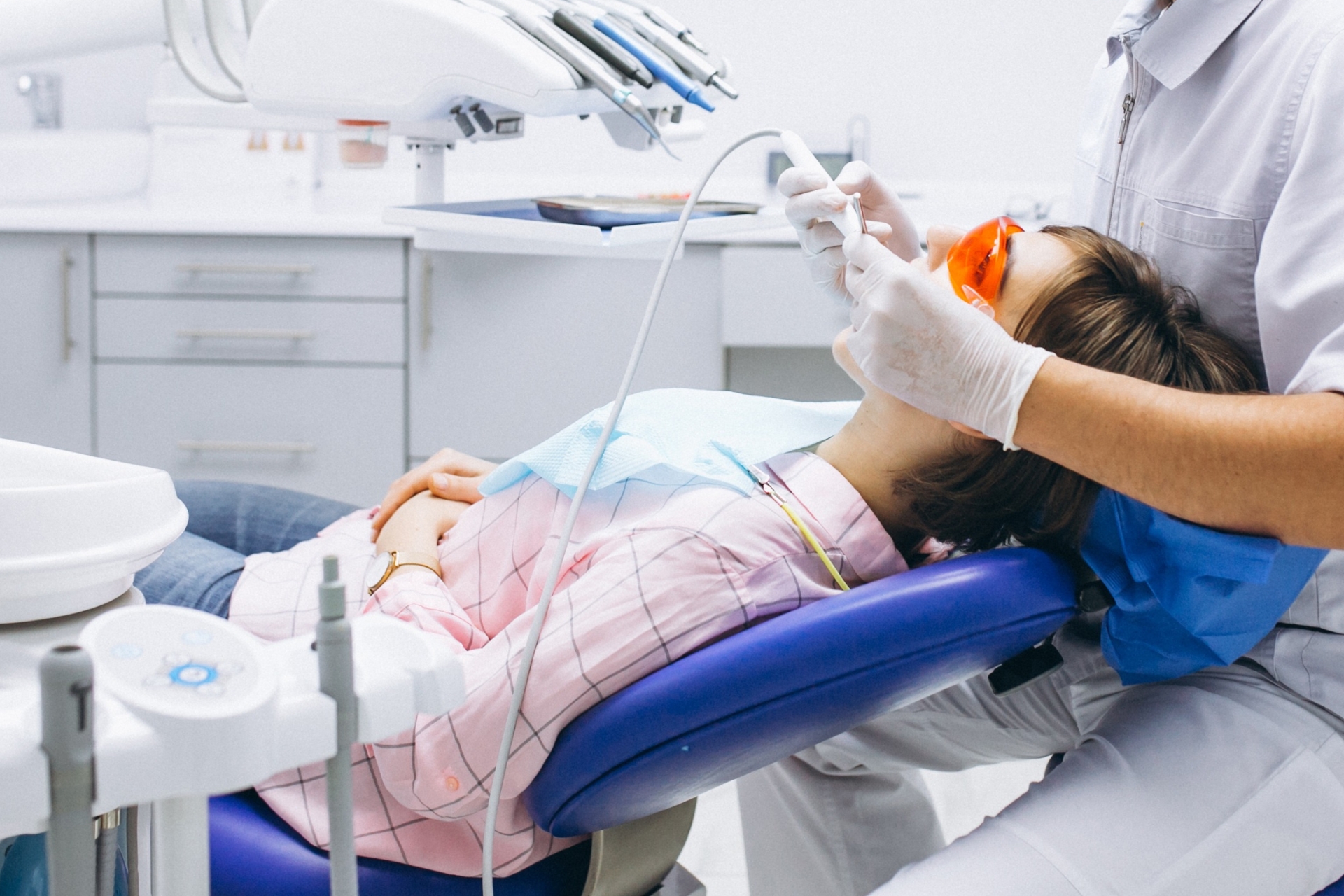
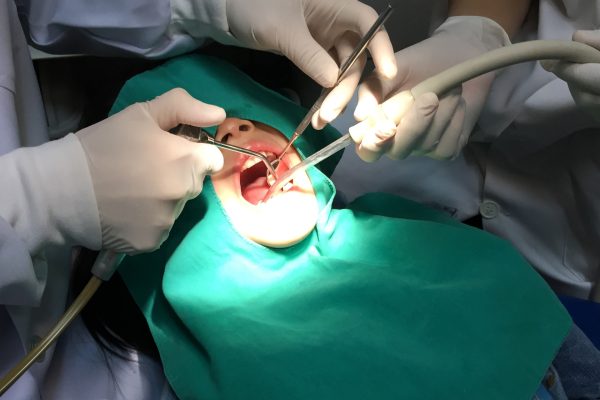
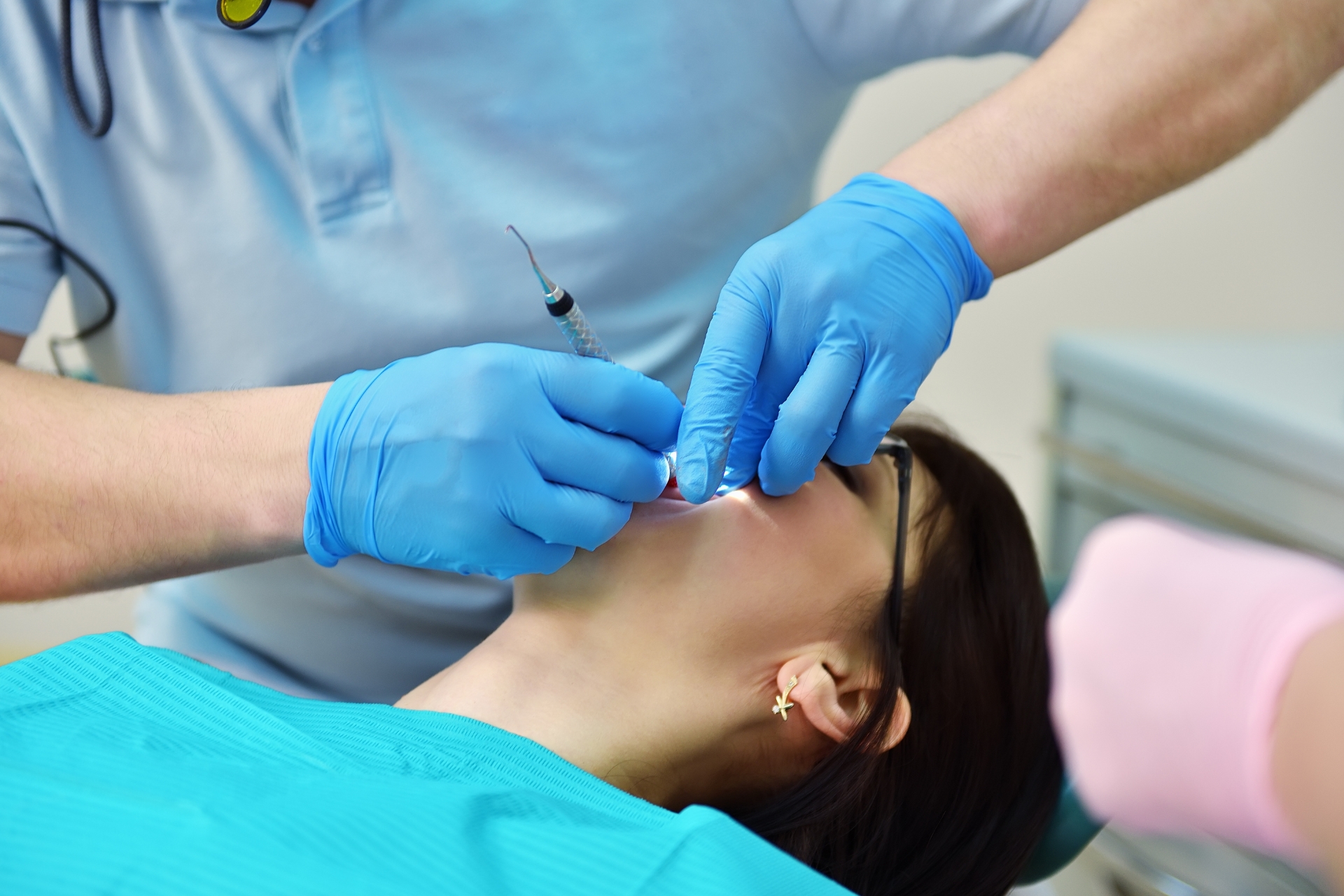
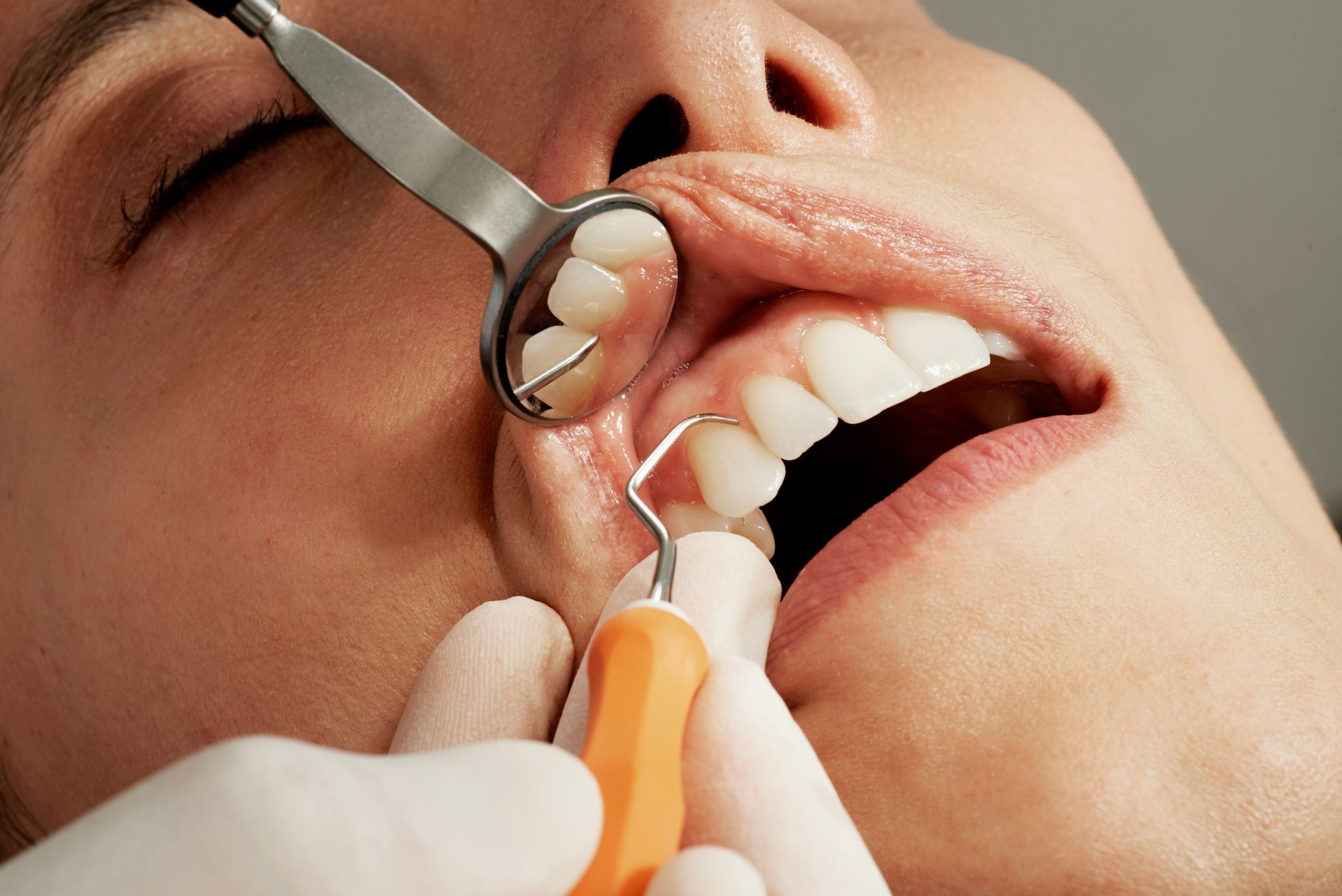
SSleep dentistry refers to dental care provided with sedation or other techniques to help patients stay relaxed and comfortable during treatment. Depending on the patient’s needs and the procedure’s complexity, providers may consider different levels of sedation, from methods that promote relaxation while the patient remains awake to deeper sedation or general anesthesia when clinically appropriate. These approaches may help patients with dental anxiety, difficulty tolerating procedures, or extensive dental treatment needs. Before recommending sleep dentistry, the dental team evaluates the patient’s medical history, overall health, and treatment needs to determine a suitable approach and any necessary precautions.


Sleep Dentistry Planning

Treatment planning for sleep dentistry begins with a careful review of your dental needs, medical history, current medications, overall health, and the planned procedure. These factors help your dental team determine whether sleep dentistry is appropriate, choose a suitable approach, and identify any necessary precautions before treatment.

At Weston Tulip Dental, we tailor sleep dentistry to your individual health, comfort level, and treatment needs. Our team provides personalized guidance and explains what to expect before your procedure.

Untitled design-59

Sleep dentistry may help:

. Reduce dental anxiety and fear
. Promote relaxation during treatment
. Improve comfort during longer procedures
. Help patients who have difficulty tolerating dental treatment
. Support access to necessary dental care
. Make complex or extensive treatment more manageable

Care and Recovery After Treatment

Recovery after sleep dentistry depends on the type and level of sedation or anesthesia used, as well as the dental procedure performed. Some patients may experience temporary drowsiness, dizziness, or reduced coordination following treatment. Your dental team will provide personalized aftercare instructions, including guidance on rest, eating, medications, and activity restrictions. Depending on the sedation method, you may need a responsible adult to accompany you home and remain with you during the initial recovery period. Following these instructions can help support a safe and comfortable recovery.

At Weston Tulip Dental, we provide personalized aftercare guidance based on the type of sedation or anesthesia used and your individual needs. Our dental team explains recovery instructions and necessary precautions to help you feel comfortable and supported after your procedure.

Sleep Dentistry for Complex Dental Care

Sleep dentistry may be considered when patients require longer, multiple, or more complex dental procedures. By helping patients remain relaxed and comfortable, it can allow the dental team to complete appropriate treatment more efficiently when clinically suitable. The need for sedation or anesthesia is determined based on the patient’s health, treatment requirements, and the planned procedure.

FAQ’s About Sleep Dentistry

  • Who May Benefit from Sleep Dentistry?

    Sleep dentistry may be appropriate for patients with significant dental anxiety, difficulty tolerating dental treatment, a strong gag reflex, or complex treatment needs. A thorough dental assessment helps determine whether this approach suits each patient.
  • How Does Sleep Dentistry Differ from Sedation Dentistry?

    Sleep dentistry is a broader term that may include different levels of sedation or anesthesia to help patients remain comfortable during dental treatment. Sedation dentistry generally refers specifically to the use of medication to reduce anxiety and promote relaxation.

  • What Sedation Options Are Available for Sleep Dentistry?

    The appropriate method depends on your medical history, treatment needs, and the type and duration of the procedure. Depending on the circumstances, sedation or general anesthesia may be considered when clinically appropriate.

  • Will I Be Awake During Sleep Dentistry?

    This depends on the type and level of sedation or anesthesia used. Some methods let you stay awake and responsive while feeling relaxed, while deeper sedation or general anesthesia can reduce awareness or consciousness.

  • What Can I Expect After Sedation Dentistry?

    Some patients may feel drowsy or experience temporary effects after sedation. Recovery needs vary by sedation method, so your dental team will provide personalized aftercare instructions and explain when you can safely resume normal activities.

  • Can I Eat Before Sleep Dentistry?

    Eating and drinking instructions depend on the type of sedation or anesthesia planned. Our dental team will provide specific instructions before treatment, including when to stop eating or drinking.

Better Dental Care, One Visit Away!

Book appointment

+(1) 416 244 0402