Mouth Guards / Night Guards
Y Your teeth can face significant pressure and wear while you sleep, particularly if you grind or clench your teeth, often without realizing it. Over time, this can contribute to tooth sensitivity, worn enamel, cracked or damaged teeth, jaw discomfort, and other oral health concerns. A properly fitted night.
Family Dentistry
A A family’s dental needs can change significantly over time. Children are learning how to care for their teeth, teenagers may experience changes as their permanent teeth develop, adults may need preventive and restorative care, and older adults may require ongoing attention to their natural teeth, gums, and existing.
Fluoride Treatments
FFluoride treatments are a simple, effective part of preventive dental care that can strengthen teeth and protect them from cavities. Every day, bacteria in your mouth produce acids, especially after you eat foods and drinks containing sugars and carbohydrates. Over time, repeated exposure to these acids gradually weakens tooth.
Dental Cleanings
R Routine professional cleanings can help preserve the health and cleanliness of your teeth and gums. Healthy teeth and gums help keep your smile feeling fresh and comfortable. Even with regular brushing and flossing at home, plaque can build up in areas that are hard to clean thoroughly. If.
Dental Exams
R Routine dental examinations are essential for maintaining your long-term oral health. Many dental issues can develop without noticeable symptoms, even if your teeth look and feel fine. During an exam, your dentist evaluates your teeth, gums, bite, and overall oral health to catch potential problems early and recommend.
General Dentistry
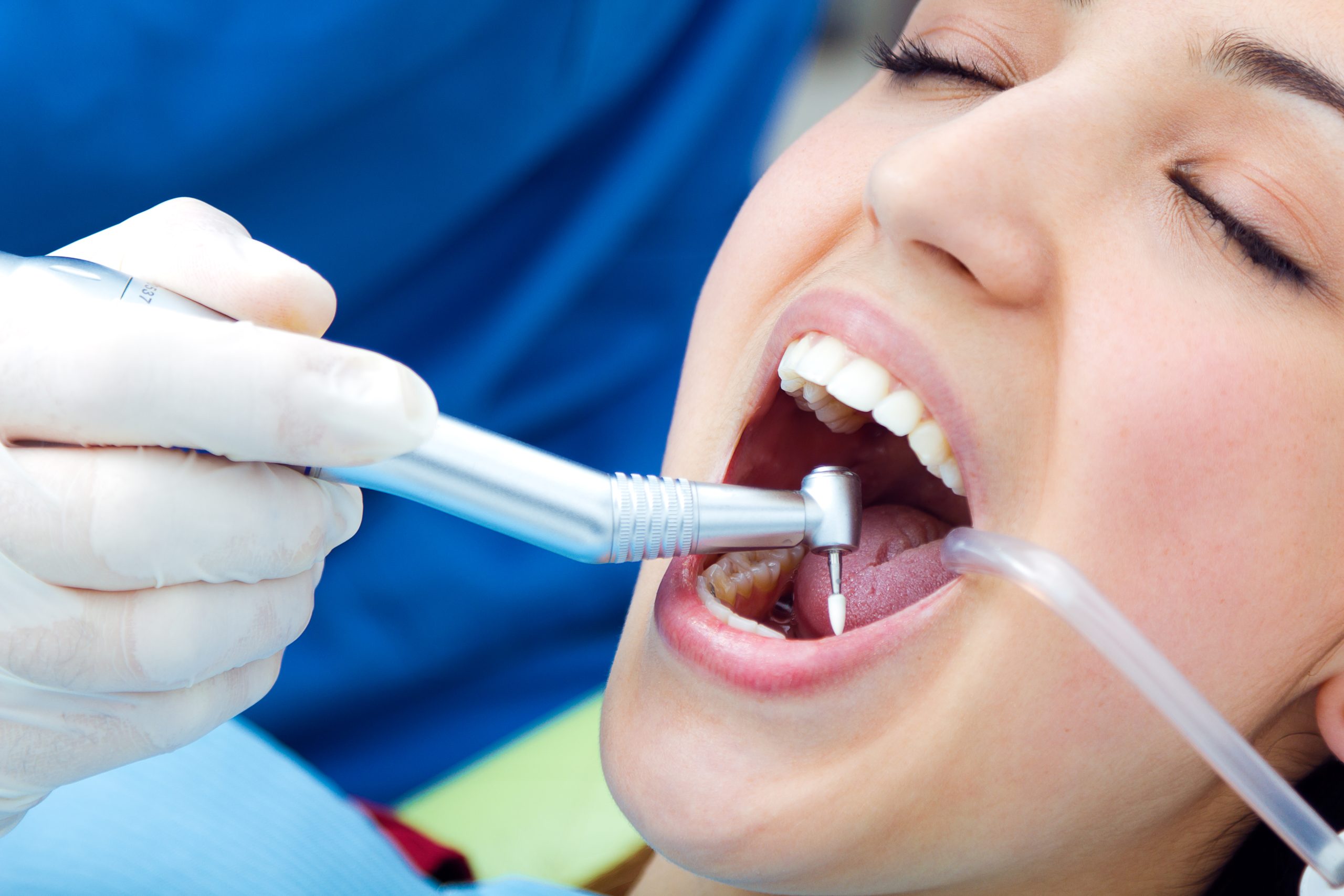
GGeneral dentistry encompasses the routine and preventive dental care needed to maintain healthy teeth, gums, and overall oral function. It includes dental exams, professional cleanings, preventive treatments, family dental care, mouth guards, and the assessment and management of common dental concerns. Routine dental visits let your dentist monitor your.
Oral Surgery
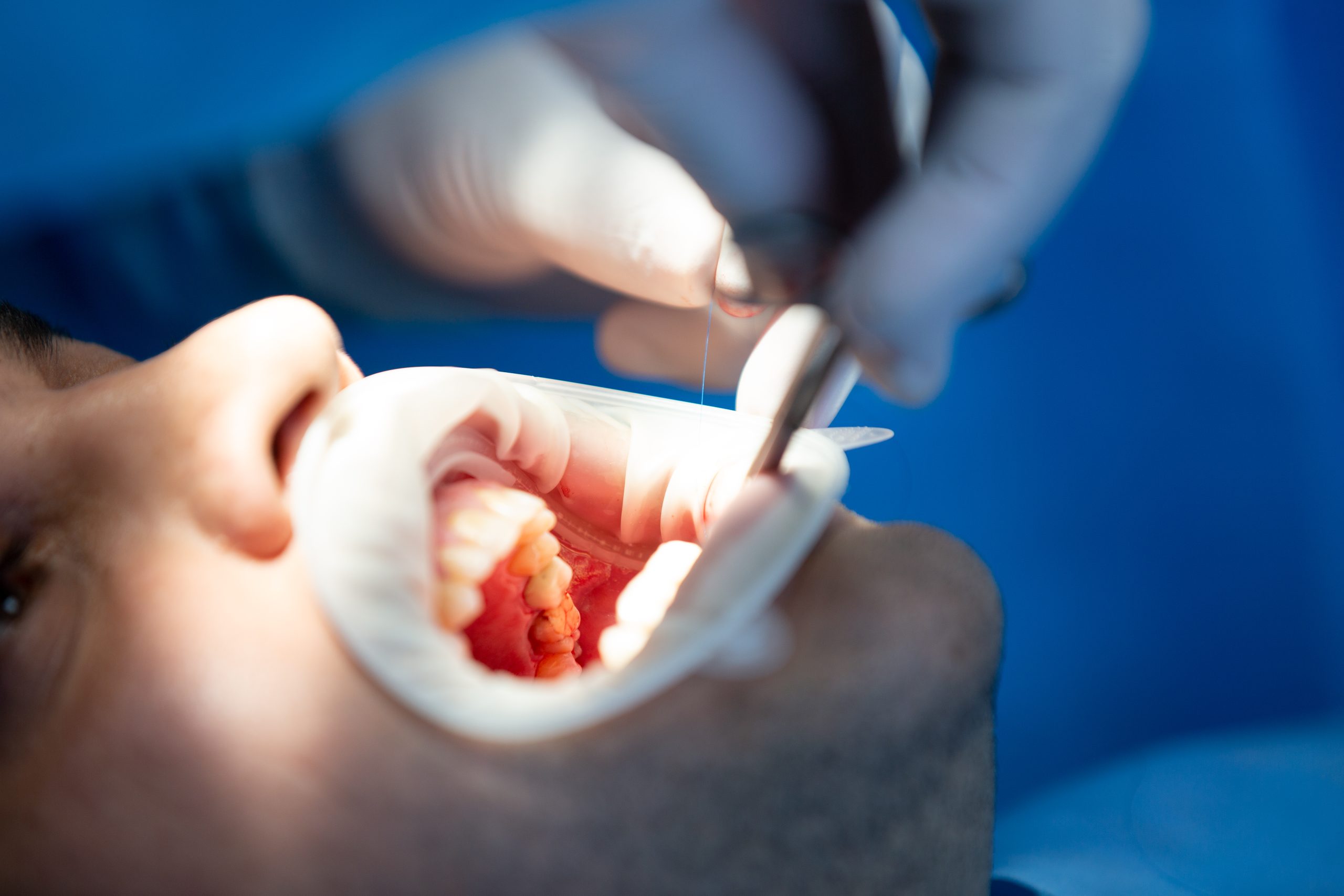
OOral surgery encompasses procedures performed to diagnose and manage conditions involving the teeth, gums, jaw, and surrounding oral tissues. It may be recommended when a dental condition requires surgery or cannot be adequately managed with routine dental treatment alone. Oral surgical procedures can address concerns such as severely damaged.

Cosmetic Dentistry
C Cosmetic dental care focuses on enhancing the smile while preserving natural proportions and overall balance. Treatment may address tooth colour, shape, size, spacing, surface wear, minor imperfections, and overall smile aesthetics. Cosmetic treatment can involve a single procedure or multiple treatments, depending on your dental condition and desired.
Restorative Dentistry
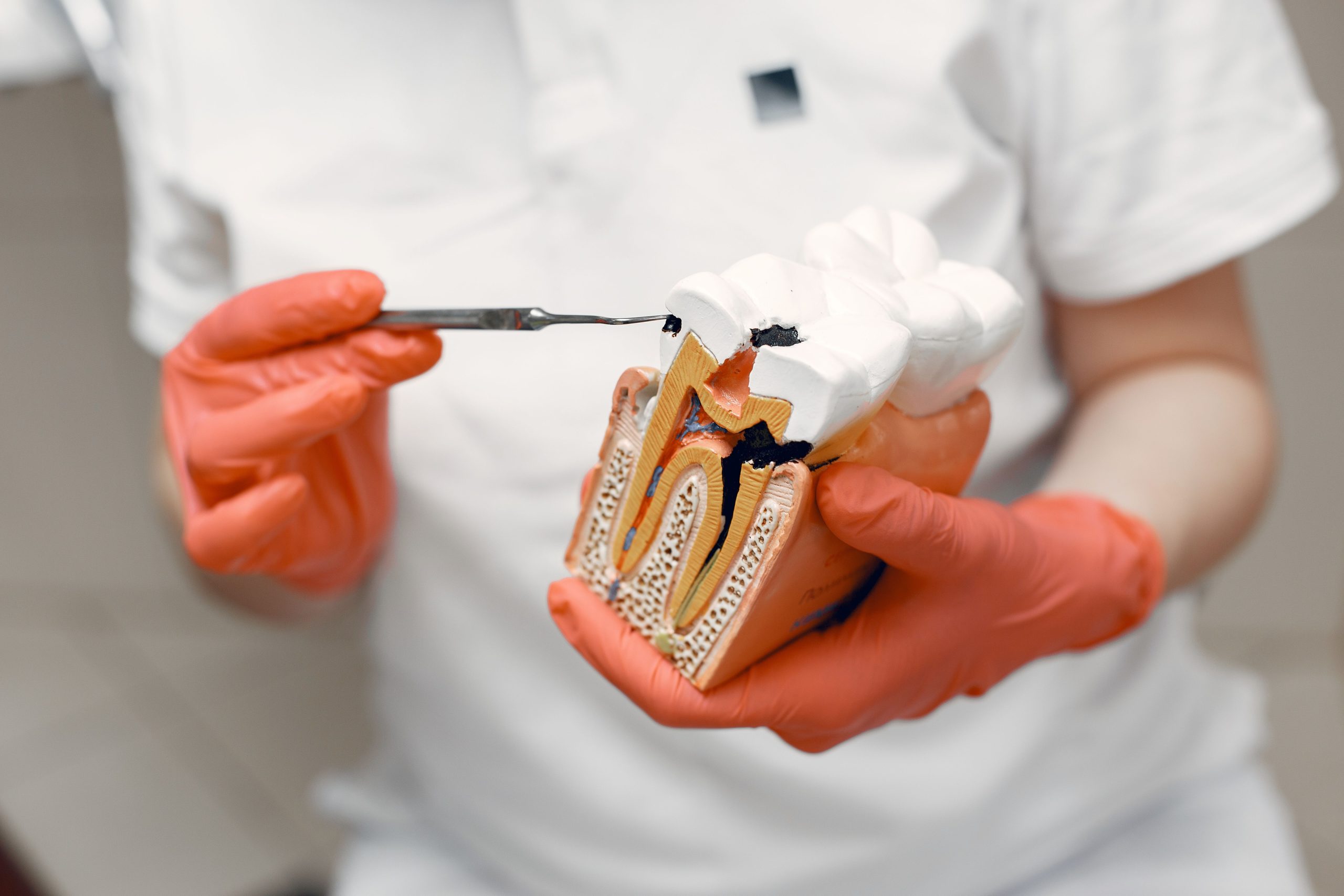
R Restorative dentistry addresses damaged, decayed, infected, worn, or missing teeth through treatments designed to repair or replace compromised tooth structure. These treatments restore the structure, function, and appearance of affected teeth while supporting long-term oral health. DDepending on the condition of the teeth, restorative care may include dental.
Dental Implants
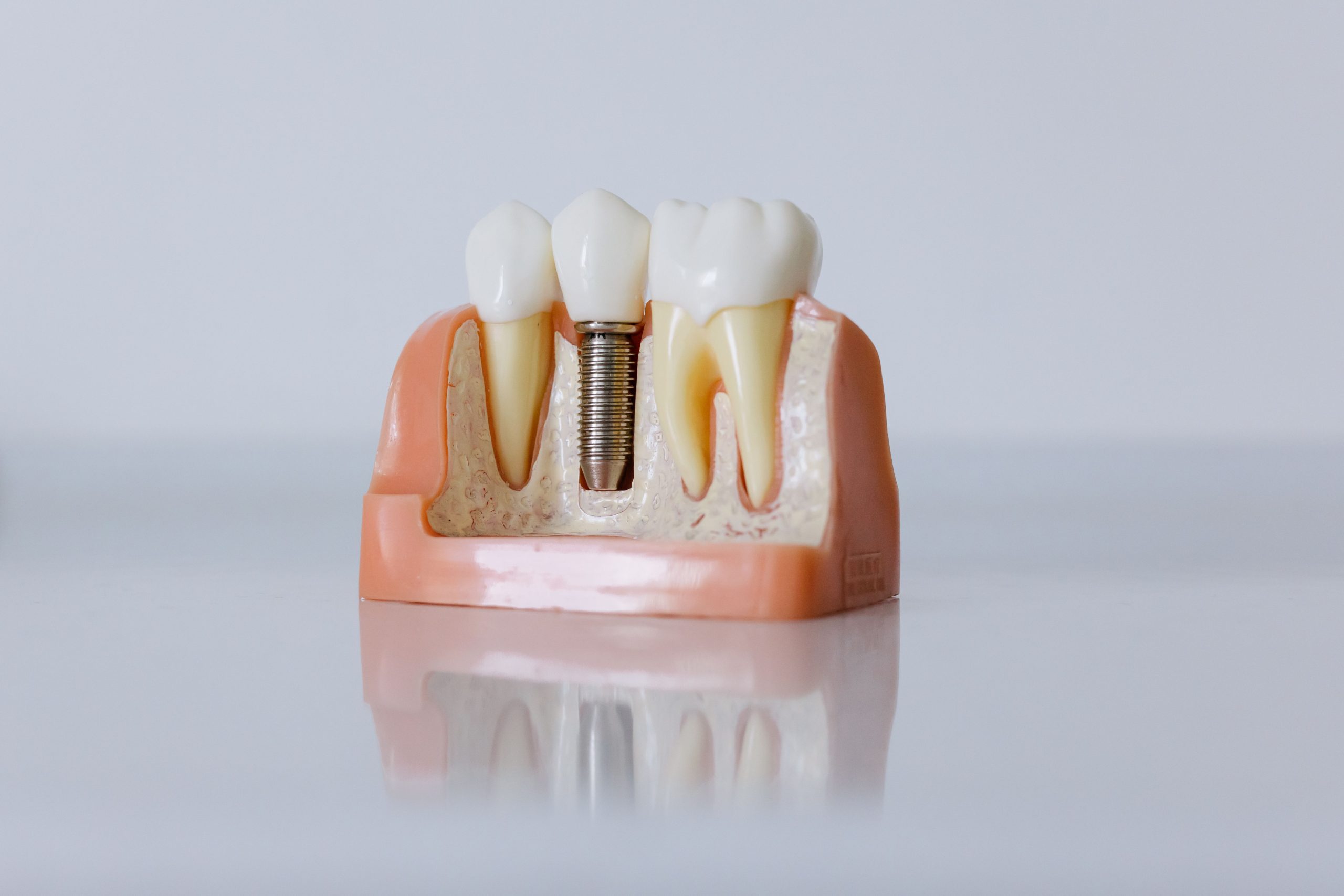
D Dental implants function like natural tooth roots by providing stable support for replacement teeth. Typically made of biocompatible titanium, the implant is surgically placed in the jawbone. As osseointegration occurs, the surrounding bone bonds with the implant, providing secure support for a dental crown, implant-supported bridge, or full-arch.